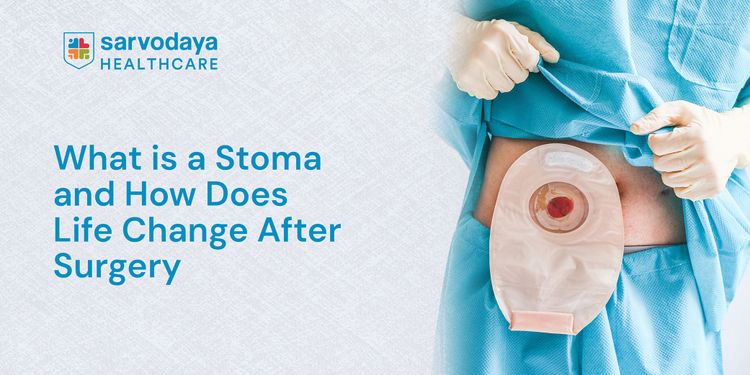


Receiving news that you may need a stoma can feel overwhelming. It is natural to have questions about why this surgery is necessary, how a stoma works, and what life may look like afterwards. Many people worry about their independence, diet, social activities, using a stoma bag, and their overall quality of life after the procedure.
The good news is that a stoma is often a life-saving solution for individuals living with serious bowel or urinary conditions. With advances in surgical techniques, specialised stoma care, and the right support system, most people can return to work, travel, exercise, and enjoy the activities they love.
In this guide, we explain what a stoma is, why stoma surgery may be recommended, the different types of stomas, and how life may change after surgery.
What is a Stoma?
A stoma is a surgically created opening on the abdomen that allows waste to leave the body when the normal route through the bowel or urinary system is unavailable or needs to heal. If you are wondering what a stoma is, it is essentially an alternative pathway that connects an internal organ, such as the intestine or urinary tract, to the surface of the skin.
Waste is collected in a specially designed stoma bag attached to the stoma. Depending on the underlying medical condition, a stoma may be temporary or permanent.
Why Is Stoma Surgery Needed?
Stoma surgery may be recommended for several medical conditions that affect the digestive or urinary systems. While some patients may refer to these underlying conditions as stoma disease, it is important to understand that a stoma is a surgical solution rather than a disease itself.
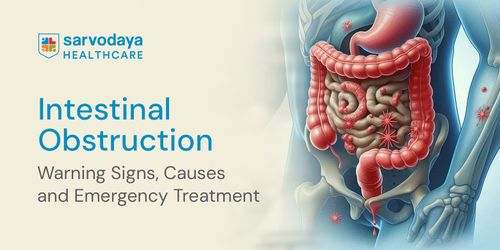
Bowel Obstruction
A bowel obstruction occurs when the intestines become blocked, preventing the normal movement of food, fluids, and waste. In severe cases, a stoma may be created to bypass the blockage and restore waste elimination.
Colorectal Cancer
Patients with colorectal cancer may require a stoma if part of the colon or rectum needs to be removed during treatment. The stoma helps maintain bowel function after surgery and may be temporary or permanent, depending on the extent of the disease.
Inflammatory Bowel Disease
Conditions such as Crohn's disease and ulcerative colitis can cause severe inflammation, ulcers, and damage to the digestive tract. When medications are no longer effective or complications develop, stoma surgery may be necessary to improve quality of life and reduce symptoms.
Trauma or Infection
Severe abdominal injuries, accidents, or serious infections can damage the intestines. In such cases, a stoma may be created to divert waste away from the affected area and allow healing.
Post-Surgical Bowel Healing Support
After certain bowel surgeries, surgeons may create a temporary stoma to give the bowel time to heal. Once recovery is complete, the bowel can often be reconnected through a reversal procedure.
What Are the Types of Stoma?
Understanding the different types of stoma procedures helps patients know what to expect after surgery. The type of stoma created depends on the underlying medical condition and the organ involved. Each type differs in waste consistency, output frequency, and daily management requirements.
Colostomy
A colostomy is created using a portion of the large intestine (colon). Waste passes through the stoma into an external pouch. Because the colon absorbs water, the stool is often more formed compared to other types of stomas.
Ileostomy
An ileostomy is created from the small intestine (ileum). Since waste bypasses most of the colon, the output is generally more liquid and may occur more frequently.
Urostomy
A urostomy is performed when urine can no longer pass through the bladder normally. The surgeon creates a new pathway for urine to exit the body through a stoma into a collection pouch.
Difference Between Ileostomy and Colostomy
Understanding ileostomy vs colostomy is important when preparing for surgery. While both procedures divert waste through a stoma, they differ in the part of the intestine used, stool consistency, hydration needs, and dietary adjustments required after surgery.
| Feature | Ileostomy | Colostomy |
|---|---|---|
| Intestinal Section Used | Small intestine | Large intestine |
| Stool Consistency | Liquid to semi-liquid | More formed |
| Output Frequency | More frequent | Less frequent |
| Risk of Dehydration | Higher | Lower |
| Dietary Adjustments | More important | Generally less restrictive |
How Is Stoma Surgery Performed?
Stoma surgery is carefully planned based on the patient's condition, overall health, and the affected organ system. Surgeons create a safe alternative pathway for waste elimination while preserving as much normal function as possible, using either open or minimally invasive surgical techniques.
Surgical Procedure Overview
Stoma surgery may be performed using open surgery or minimally invasive laparoscopic techniques. The surgeon identifies the appropriate section of the bowel or urinary tract and prepares it for diversion.
Creation of Opening in the Abdominal Wall
A small opening is created in the abdominal wall. The selected section of the intestine or urinary tract is brought through the opening and secured to the skin surface. This visible portion forms the stoma. A collection pouch is then fitted over the area to collect waste.
How Does Life Change After Stoma Surgery?
Adjusting to life with a stoma takes time, but most patients gradually regain confidence and independence. Initially, patients learn how to manage their stoma bag, monitor skin health, and adapt to dietary changes.
Many people report significant improvements in symptoms and overall quality of life once they recover from stoma surgery.
How Do You Take Care of a Stoma?
Consistent stoma care is essential to maintain comfort, prevent complications, and protect the surrounding skin. Learning proper pouch management techniques and establishing a daily care routine can help patients feel more confident and improve their long-term quality of life. Key aspects of stoma care include:
- Emptying the pouch regularly
- Changing the pouching system as recommended
- Cleaning the skin around the stoma gently
- Monitoring for redness, irritation, or infection
- Ensuring the appliance fits correctly to prevent leaks
- Following the instructions provided by stoma care specialists
Routine care becomes easier with practice and helps prevent complications.
What Can You Eat After Stoma Surgery?
Diet plays an important role in healing, digestion, and overall wellbeing after stoma surgery. Patients are usually advised to gradually reintroduce foods while monitoring their body's response, allowing them to build a balanced and sustainable long-term eating routine.
Hydration is especially important for ileostomy patients, who may lose more fluids and electrolytes than patients with a colostomy bag.
Gradual Diet Progression
Patients usually start with clear liquids before gradually progressing to soft foods and eventually returning to a balanced diet under medical guidance.
Easily Digestible Foods
Foods that are generally well tolerated after surgery include:
- Rice
- Bananas
- Applesauce
- Toast
- Potatoes
- Yogurt
- Lean proteins
Foods to Avoid Initially
Some foods may cause excessive gas, bloating, or discomfort during the early recovery phase, including:
- Carbonated drinks
- Spicy foods
- Beans
- Cabbage
- Broccoli
- Onions
Individual tolerance varies, so foods should be reintroduced gradually.
Hydration Importance
Hydration is especially important for ileostomy patients, who may lose more fluids and electrolytes. Drinking adequate water throughout the day helps prevent dehydration.
Balanced Nutrition for Recovery
A balanced diet containing protein, vitamins, minerals, healthy fats, and fibre supports healing, energy levels, and overall wellbeing.
What Are the Common Challenges After Stoma Surgery?
Although most people adapt successfully over time, some temporary physical and emotional challenges may occur during recovery. Recognising these concerns early and learning practical management strategies can make the adjustment process smoother and less stressful.
Leakage Issues
Leaks can occur if the pouching system does not fit properly. Regular assessment and proper fitting help minimise this issue.
Skin Irritation
Contact between waste and the skin can cause redness, itching, or discomfort. Maintaining a secure seal and proper skin care is essential.
Gas and Odour Management
Certain foods may increase gas or odour. Dietary modifications and specialised pouching products can help manage these concerns.
Lifestyle and Travel Concerns
Patients may initially feel anxious about travelling, social events, or being away from home. Planning and carrying extra supplies can help increase confidence.
Emotional Adjustment
Living with a stoma can bring emotional and psychological challenges. Support from healthcare professionals, family members, and support groups can make the adjustment process easier.
Can You Live a Normal Life With a Stoma?
Having a stoma does not mean giving up an active or independent lifestyle. With proper stoma care, planning, and support, most people can return to work, exercise, travel, socialise, and continue pursuing their personal and professional goals.
Return to Work and Daily Activities
Many patients return to work, household responsibilities, and hobbies after recovery. The timeline varies depending on the individual's health and the type of surgery.
Exercise and Physical Activity
Walking, swimming, cycling, yoga, and many other forms of exercise can usually be resumed once approved by the treating doctor.
Travel and Social Life
People with stomas can travel, dine out, attend social events, and participate in family activities. With proper preparation, a stoma does not have to limit personal or professional goals.
How Sarvodaya Hospital Supports Stoma Patients
At Sarvodaya Hospital, patients receive comprehensive support before, during, and after stoma surgery. A multidisciplinary team of surgeons, gastroenterologists, nurses, nutritionists, and stoma care specialists works together to provide personalised treatment and education.
From surgical planning and recovery guidance to dietary counselling and long-term stoma management, the hospital focuses on helping patients regain confidence and achieve the best possible quality of life.
When Should You Contact a Doctor After Stoma Surgery?
Medical attention should be sought if you experience:
- Persistent bleeding from the stoma
- Severe abdominal pain
- Significant swelling around the stoma
- Signs of infection, such as fever or pus
- Continuous leakage despite proper pouch fitting
- Sudden changes in stoma colour
- Severe dehydration symptoms
- Unusually high or low stoma output
Early evaluation can help prevent complications and ensure a smoother recovery.
Conclusion
A stoma is often a vital surgical solution for conditions such as colorectal cancer, inflammatory bowel disease, bowel obstruction, trauma, and urinary disorders. While adapting to life with a stoma requires patience and learning, most people successfully return to work, travel, exercise, and enjoy everyday activities.
With proper medical guidance, good stoma care, balanced nutrition, and ongoing support from experienced healthcare teams such as those at Sarvodaya Hospital, patients can lead healthy, active, and fulfilling lives after stoma surgery.