
Overview
Adenocarcinoma is a type of cancer that develops in the glandular cells lining many organs of the body. These cells produce mucus, digestive fluids, and other secretions. Adenocarcinoma can occur in the lungs, colon, stomach, pancreas, oesophagus, prostate, breast, and several other organs. Because symptoms often vary depending on the affected organ, early diagnosis is essential for successful treatment.
Modern adenocarcinoma treatment depends on the cancer's location, stage, and overall health of the patient. Treatment may include surgery, chemotherapy, targeted therapy, immunotherapy, radiation therapy, or a combination of these approaches. Early detection significantly improves treatment outcomes and long-term survival.
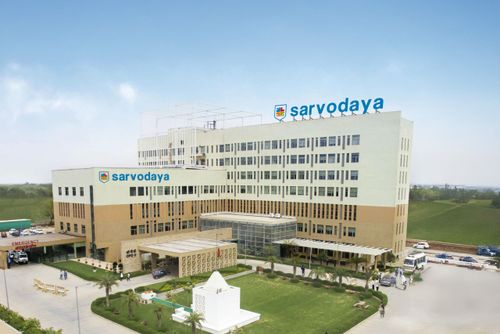
At Sarvodaya Hospital, our experienced oncologists, surgical oncologists, radiation oncologists, and multidisciplinary cancer specialists provide comprehensive cancer treatment using advanced diagnostic technologies and personalised cancer management plans.
Symptoms of Adenocarcinoma
- Unexplained weight loss
- Persistent fatigue
- Loss of appetite
- Persistent pain
- Blood in stool or urine
- Persistent cough
- Difficulty swallowing
- Changes in bowel habits
- Abdominal discomfort
- Unusual lumps or swelling
Causes of Adenocarcinoma
- Genetic mutations
- Smoking
- Chronic inflammation
- Obesity
- Unhealthy diet
- Family history of cancer
- Alcohol consumption
- Environmental toxins
- Chronic infections
- Age-related cellular changes
Common Types of Adenocarcinoma
Adenocarcinoma can affect several organs throughout the body.
- Lung Adenocarcinoma: Develops in glandular cells of the lungs and is one of the most common forms of lung cancer.
- Colorectal Adenocarcinoma: Occurs in the glandular lining of the colon or rectum.
- Pancreatic Adenocarcinoma: Develops in the pancreas and often requires specialised multidisciplinary care.
- Gastric (Stomach) Adenocarcinoma: Affects the glandular lining of the stomach and may cause digestive symptoms.
- Oesophageal Adenocarcinoma: Usually develops in the lower part of the oesophagus, often associated with chronic acid reflux.
- Prostate Adenocarcinoma: The most common type of prostate cancer affecting glandular tissue.
Risk Factors for Adenocarcinoma
Several medical conditions and lifestyle factors increase the risk of developing glandular cancers.
- Smoking: Smoking significantly increases the risk of lung, pancreatic, oesophageal, and several other adenocarcinomas.
- Obesity: Excess body weight increases the risk of colorectal, pancreatic, breast, and other glandular cancers.
- Family History: Inherited genetic mutations may increase susceptibility to several forms of adenocarcinoma.
- Chronic Inflammatory Conditions: Long-standing inflammatory diseases affecting the digestive tract or other organs may increase cancer risk.
- Increasing Age: The likelihood of developing adenocarcinoma rises with advancing age.
Diagnosis of Adenocarcinoma
Accurate diagnosis determines the cancer type, stage, and the most appropriate treatment strategy.
- Clinical Examination: Doctors evaluate symptoms, medical history, physical findings, and possible cancer risk factors.
- Blood Tests: Laboratory investigations, including tumour markers when appropriate, support diagnosis and treatment planning.
- CT Scan: CT imaging helps identify the tumour location, size, and spread to nearby structures.
- MRI Scan: MRI provides detailed imaging of soft tissues and evaluates cancer involvement in surrounding organs.
- PET-CT Scan: PET-CT helps detect cancer spread throughout the body and assists in accurate staging.
- Endoscopy: Endoscopic procedures allow direct visualisation of suspicious areas in organs such as the stomach, oesophagus, or colon.
- Biopsy: A tissue biopsy confirms the diagnosis by examining cancer cells under a microscope.
- Molecular and Genetic Testing: Advanced laboratory testing identifies genetic mutations that help guide targeted cancer therapies.
Treatment Options & Technology for Adenocarcinoma
Adenocarcinoma treatment is personalised according to the cancer type, stage, and overall patient health.
- Surgical Tumour Removal: Surgery is often the primary treatment for localised adenocarcinoma and aims to remove the tumour completely.
- Chemotherapy: Anti-cancer medicines help destroy cancer cells and reduce the risk of recurrence.
- Radiation Therapy: High-energy radiation targets cancer cells while protecting surrounding healthy tissues as much as possible.
- Targeted Therapy: Certain patients benefit from medicines that specifically target genetic changes within cancer cells.
- Immunotherapy: Advanced immunotherapy helps the immune system recognise and attack cancer cells in selected cancers.
- Comprehensive Oncology Care: Patients receive multidisciplinary oncology care involving medical, surgical, and radiation oncologists supported by rehabilitation and supportive care services.
- Advanced Cancer Technology: PET-CT, MRI, CT Scan, Endoscopic Ultrasound (EUS), Molecular Profiling, Image-Guided Biopsy, Robotic Surgery, and Precision Radiation Therapy support accurate diagnosis and personalised tumor treatment.
Benefits of Early Adenocarcinoma Treatment
Early diagnosis significantly improves treatment success and long-term survival.
- Improves Cure Rates: Early-stage cancers are more likely to be treated successfully.
- Allows Less Extensive Treatment: Smaller tumours may require less aggressive treatment approaches.
- Reduces Cancer Spread: Prompt treatment lowers the risk of metastasis to distant organs.
- Improves Quality of Life: Early intervention helps preserve normal organ function and daily activities.
- Enhances Long-Term Survival: Timely diagnosis and personalised treatment improve overall outcomes.
Complications if Left Untreated
Untreated adenocarcinoma can lead to serious health complications.
- Cancer spread (metastasis)
- Organ failure
- Severe pain
- Internal bleeding
- Nutritional deficiencies
- Infection
- Reduced survival
When Should You See a Doctor?
Consult an oncologist or specialist if you experience:
- Persistent unexplained weight loss
- Blood in stool or urine
- Persistent cough
- Difficulty swallowing
- Lasting changes in bowel habits
- Persistent abdominal pain
- Unusual lumps or swelling
- Symptoms lasting more than a few weeks
Prevention & Lifestyle Modifications
Although not all adenocarcinomas can be prevented, healthy lifestyle choices help reduce cancer risk.
- Quit Smoking: Avoiding tobacco significantly lowers the risk of several glandular cancers.
- Maintain Healthy Weight: Healthy body weight reduces the risk of multiple cancers.
- Eat a Balanced Diet: A diet rich in fruits, vegetables, whole grains, and lean proteins supports overall health.
- Exercise Regularly: Regular physical activity contributes to cancer prevention and overall well-being.
- Attend Regular Cancer Screening: Appropriate screening helps detect certain cancers before symptoms develop.
Pre–Post Treatment Care
Pre-Treatment
- Oncology consultation
- Biopsy confirmation
- CT, MRI, or PET-CT imaging
- Blood investigations
- Treatment planning by a multidisciplinary team
Post-Treatment
- Regular oncology follow-up
- Imaging for surveillance
- Nutritional counselling
- Rehabilitation when required
- Long-term monitoring for recurrence