
Overview
Thyroid cancer is a type of cancer that develops in the thyroid gland, a small butterfly-shaped gland located at the front of the neck that regulates metabolism, growth, and hormone production. Although thyroid cancer is relatively uncommon compared to other cancers, it is one of the most treatable cancers when diagnosed early.
There are several types of thyroid cancer, with papillary thyroid cancer being the most common thyroid cancer. Many patients may not experience symptoms during the early stages, making routine evaluation and prompt medical attention important when thyroid abnormalities are detected.
Early diagnosis and timely thyroid cancer treatment can significantly improve outcomes and help patients achieve long-term disease control and survival.
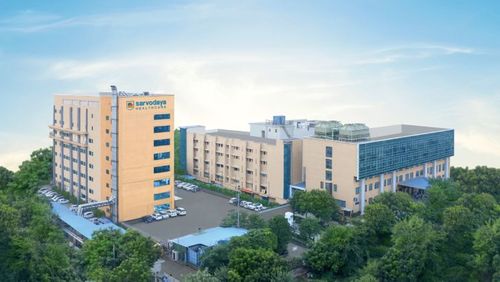
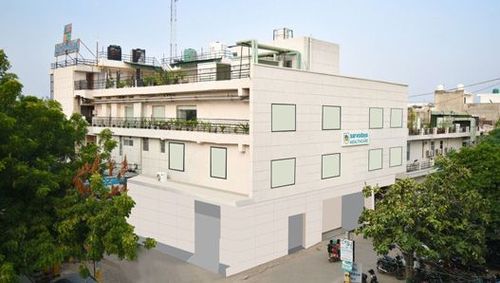
At Sarvodaya Hospital, patients receive comprehensive thyroid cancer care through advanced diagnostics, multidisciplinary treatment planning, and personalised cancer management.
Symptoms of Thyroid Cancer
- Lump or swelling in the neck
- Persistent neck pain
- Hoarseness or voice changes
- Difficulty swallowing
- Difficulty breathing
- Enlarged lymph nodes in the neck
- Persistent cough not related to infection
- Throat discomfort
Causes of Thyroid Cancer
- Genetic mutations in thyroid cells
- Family history of thyroid cancer
- Radiation exposure to the neck
- Certain inherited syndromes
- Female gender
- Thyroid nodules
- Iodine imbalance in some populations
Diagnosis of Thyroid Cancer
Accurate diagnosis helps determine cancer type and stage, informs treatment planning, and ensures timely intervention and improved outcomes. Evaluation by a cancer specialist in Noida supports precise diagnosis and personalised treatment strategies.
- Clinical Examination: Doctors evaluate thyroid swelling, neck lumps, enlarged lymph nodes, and symptoms affecting swallowing, breathing, or voice quality.
- Thyroid Ultrasound: Ultrasound imaging helps identify thyroid nodules, assess suspicious features, and evaluate surrounding neck structures accurately.
- Fine Needle Aspiration Cytology (FNAC): FNAC involves collecting cells from a thyroid nodule to determine whether the growth is benign or cancerous.
- Blood Tests: Blood investigations help assess thyroid hormone levels and overall thyroid gland function before treatment planning.
- CT Scan, MRI, and PET-CT: Advanced imaging technologies help evaluate tumour extent, lymph node involvement, and possible spread to other organs when required.
Treatment Options & Technology for Thyroid Cancer
Thyroid cancer treatment focuses on removing cancer, preventing recurrence, preserving thyroid function when possible, and improving long-term survival. Advanced care at a best cancer hospital in Delhi NCR ensures access to modern treatment technologies and multidisciplinary oncology expertise.
- Thyroid Surgery: Surgery is the primary treatment for most thyroid cancers and may involve removal of part or all of the thyroid gland.
- Radioactive Iodine Therapy: Radioactive iodine treatment helps destroy remaining thyroid cancer cells after surgery and reduces recurrence risk in selected patients.
- Targeted Therapy: Advanced targeted medications may be recommended for certain thyroid cancers that do not respond to conventional treatment.
- External Beam Radiation Therapy: Radiation therapy may be used in selected advanced cases to control tumour growth and relieve symptoms.
- Advanced Diagnostic and Imaging Technology: High-resolution ultrasound, FNAC, CT scan, MRI, PET-CT, and molecular testing improve diagnosis accuracy and treatment planning.
Benefits of Early Detection and Advanced Cancer Care
Early diagnosis and specialised treatment significantly improve outcomes for thyroid cancer patients. Timely evaluation by a cancer doctor in faridabad helps enable accurate diagnosis, effective treatment, reduced complications, and better long-term survival.
- Higher Cure Rates: Most thyroid cancers have excellent cure rates when diagnosed and treated during early stages.
- Accurate Cancer Staging: Advanced imaging helps determine disease extent and supports personalised treatment planning.
- Reduced Recurrence Risk: Timely surgery and appropriate follow-up treatment lower the chances of cancer returning.
- Comprehensive Multidisciplinary Care: Cancer specialists, surgeons, endocrinologists, and radiologists work together to provide coordinated treatment.
- Improved Long-Term Survival: Modern thyroid cancer treatments offer excellent long-term outcomes and quality of life for most patients.
Complications, if Left Untreated
Untreated thyroid cancer may progress and affect nearby structures or spread to other parts of the body.
- Progressive tumour growth
- Difficulty swallowing
- Breathing problems
- Voice changes
- Lymph node involvement
- Cancer spread to distant organs
When to See a Doctor for Thyroid Cancer
Consult a specialist if you experience:
- A lump in the neck
- Persistent hoarseness
- Difficulty swallowing
- Enlarged neck glands
- Unexplained throat discomfort
- Family history of thyroid cancer
Prevention & Lifestyle Modifications for Thyroid Cancer
Although thyroid cancer cannot always be prevented, certain measures help support thyroid health and early detection.
- Attend Regular Health Check-ups: Routine examinations help detect thyroid nodules and abnormalities before symptoms develop.
- Seek Evaluation for Neck Swelling: Persistent neck lumps should always be assessed by a specialist promptly.
- Maintain Healthy Lifestyle: Balanced nutrition and regular exercise support overall endocrine and immune health.
- Avoid Unnecessary Radiation Exposure: Limiting unnecessary radiation exposure may help reduce thyroid cancer risk.
- Follow Medical Advice: Patients with thyroid nodules or a family history should undergo recommended screening and monitoring.
Pre–Post Treatment Care
Pre-Treatment
Clinical and thyroid evaluation
Ultrasound and FNAC testing
Blood investigations
Cancer specialist consultation
Post-Treatment
Regular thyroid hormone monitoring
Medication adherence
Periodic imaging follow-up
Long-term oncology surveillance