
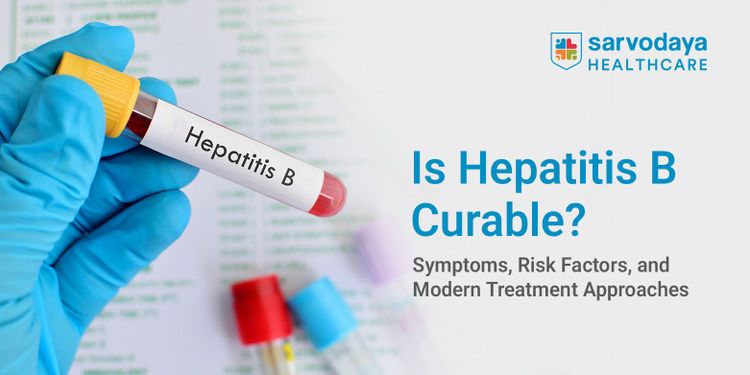


Hepatitis B is a viral infection that affects the liver and can lead to serious health complications if left untreated. Many people with hepatitis B infection show no early warning signs, which often delays diagnosis and increases the risk of liver damage.
In this blog, we discuss hepatitis B symptoms, hepatitis B causes, methods of diagnosis, available hepatitis B treatment, and the role of the hepatitis B vaccine in prevention.
Exploring Hepatitis B
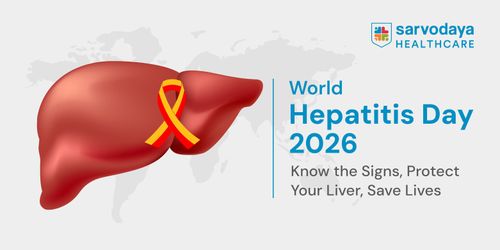
Hepatitis B is a liver disease caused by the hepatitis B virus, which spreads through infected blood and body fluids. The infection may be acute or chronic, depending on how long the virus remains in the body.
Chronic hepatitis B infection can silently damage the liver over time, making early screening crucial even in the absence of symptoms.
Key aspects of hepatitis B include:
- It causes inflammation and damage to liver cells.
- Chronic infection increases the risk of cirrhosis and liver cancer.
- A blood-based hepatitis B test helps detect active or past infection.
- Early care from the best gastroenterologist in Noida helps control disease progression.
Hepatitis B Causes and Risk Factors
Hepatitis B is caused by exposure to the hepatitis B virus, which enters the body through infected blood or certain body fluids.
The most common hepatitis B risk factors include:
- Unprotected sexual contact with an infected person
- Sharing needles, syringes, or sharp medical instruments
- Transmission from an infected mother to her baby during childbirth
- Unsafe blood transfusions or medical procedures
- Close household contact with someone who has a hepatitis B infection
Hepatitis B Transmission
Hepatitis B transmission occurs when the virus spreads from an infected individual to another person through direct contact with infected blood or body fluids. It is important to note that hepatitis B does not spread through casual contact such as hugging, sharing food, coughing, or sneezing.
Hepatitis B can be transmitted through:
- Sexual contact without protection
- Sharing needles or injectable drug equipment
- Accidental needle-stick injuries, especially in healthcare workers
- From mother to child at birth
- Exposure during unsterile medical or dental procedures
Awareness of transmission routes is crucial for hepatitis B prevention, along with timely vaccination and safe healthcare practices under the guidance of the best gastroenterologist in Faridabad.
Hepatitis B Symptoms in Adults and Children
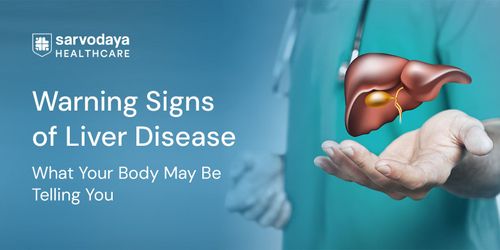
The symptoms of hepatitis B vary depending on age and the stage of infection. Many people, especially children, may not show symptoms initially, which allows the infection to progress silently.
Common symptoms include:
- Persistent fatigue and weakness
- Loss of appetite and nausea
- Abdominal discomfort, especially on the right side
- Dark-coloured urine and pale stools
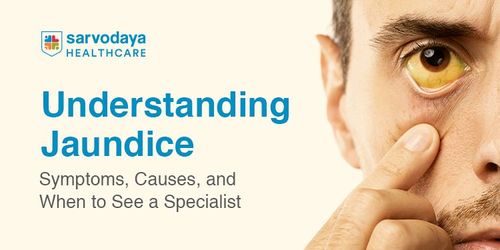
- Yellowing of the skin and eyes (jaundice)
In children, symptoms are often mild or absent, but the risk of developing chronic hepatitis B infection is higher than in adults. Adults are more likely to experience noticeable symptoms during the acute phase, which should prompt immediate medical evaluation.
Read More- Viral Hepatitis - Types, Symptoms & Prevention
When Hepatitis B Testing Is Recommended
A hepatitis B test is the most reliable way to detect active or past infection, even in individuals without symptoms.
Testing is recommended for:
- Individuals with known hepatitis B risk factors
- Pregnant women during routine antenatal screening
- Healthcare workers and caregivers
- People with unexplained liver enzyme abnormalities
- Family members of infected individuals
Consulting an experienced gastroenterologist in Delhi NCR ensures accurate interpretation of test results and appropriate next steps for treatment or prevention.
Hepatitis B Treatment Options
A common concern is hepatitis B curable. In acute cases, the immune system can clear the virus completely, with no long-term effects. However, chronic hepatitis B is usually not completely curable, but it is highly manageable with ongoing medical care.
Hepatitis B treatment strategies include:
- Supportive care for acute hepatitis B infection, as many patients recover naturally
- Antiviral medications for chronic infection to suppress viral replication
- Regular liver function tests and viral load monitoring
- Lifestyle modifications to protect liver health and avoid further damage
Hepatitis B Vaccine and Prevention
The hepatitis B vaccine is the most effective way to prevent hepatitis B and its long-term complications. Along with vaccination, adopting preventive practices is vital for controlling the spread of the virus.
Key hepatitis B prevention measures include:
- Completing the full course of the hepatitis B vaccine as advised
- Practising safe sex and avoiding unprotected exposure
- Not sharing needles, syringes, or personal items like razors
- Ensuring sterile medical and dental procedures
- Screening pregnant women to prevent mother-to-child transmission
Preventive counselling with an experienced specialist at the best gastro hospital in Delhi helps individuals assess risk and take timely protective measures.
Conclusion
Hepatitis B is a serious but preventable and manageable liver condition when identified early. Awareness, vaccination, and regular medical follow-up remain the foundation of effective disease control and long-term health.
Sarvodaya Hospital, Faridabad, the best gastroenterology hospital in India, offers comprehensive care for patients with hepatitis B infection, from early diagnosis to long-term disease management. With access to advanced diagnostic facilities, experienced specialists, and personalised treatment plans, patients receive care aligned with global clinical standards.
If you or your loved ones are at risk or experiencing symptoms, it is advisable to book an appointment now with a qualified specialist and take a proactive step towards liver health and long-term wellbeing.