
Overview
A liver biopsy is a diagnostic medical procedure in which a small sample of liver tissue is collected for detailed microscopic examination. It is an essential investigation when blood tests and imaging studies are insufficient to determine the exact cause or severity of liver disease.
Doctors may recommend a liver biopsy test to evaluate chronic liver conditions, unexplained liver enzyme abnormalities, infections, fibrosis, or tumours. In suspected malignancies, a liver biopsy for cancer plays a crucial role in confirming diagnosis and planning targeted treatment.
What is a liver biopsy?
It refers to the removal of a tiny portion of the liver using a fine needle or specialised technique for laboratory analysis. This procedure helps identify liver diseases at an early stage, determine disease severity, and monitor response to ongoing treatment when non-invasive tests give unclear results.
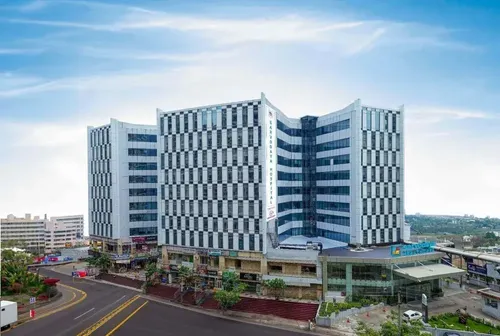
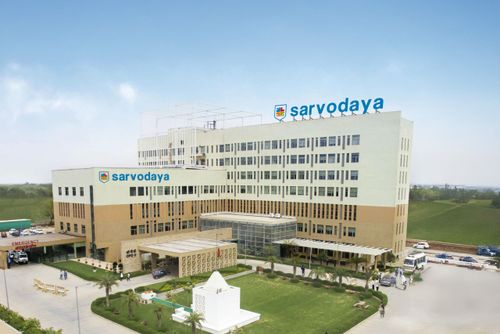
If you are finding the best gastroenterologist in Faridabad, it it important to notice the infrastructure and how trained is the team.
Procedure of Liver Biopsy
The procedure of liver biopsy is usually performed under local anaesthesia and guided by ultrasound or CT imaging to ensure accuracy and safety. After sterilising and numbing the area, a thin biopsy needle is gently inserted through the abdominal wall to obtain a small liver tissue sample.
The procedure typically takes 15 to 30 minutes. Afterwards, patients are monitored for a few hours to watch for complications such as bleeding. Most cases are managed as day-care procedures without overnight hospitalisation.
What complicates individuals is finding the right gastroenterologist in Delhi NCR as most hospitals are not well-equipped to handle the treatment. Moreover, long-term recovery is also essential.
Technology and Infrastructure
Liver biopsy procedures are supported by advanced imaging and interventional technologies designed to ensure accuracy, safety, and patient comfort. Ultrasound- and CT-guided biopsy systems enable precise targeting of liver lesions while minimising procedural risks.
For comprehensive oncological assessment, advanced diagnostic technologies such as Discovery IQ PET CT and high-resolution CT imaging support accurate lesion localisation, staging, and treatment planning prior to biopsy. While seeking the best gastrologist in Noida , the clinicians will first understand the disease extent and then guide targeted tissue sampling.
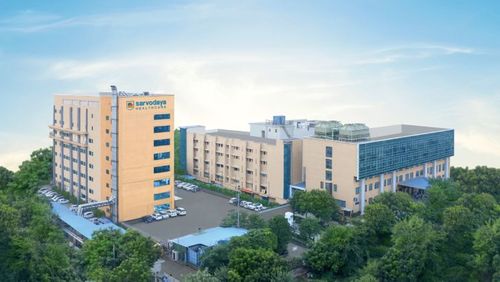
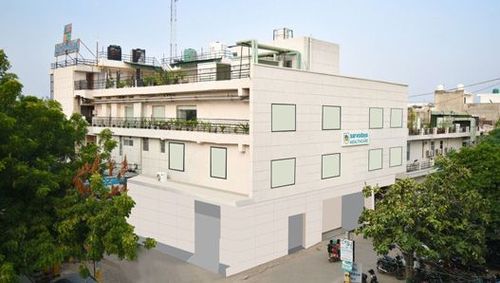
If you are searching a best gastro hospital in Delhi, you must know that in specialised hospitals, biopsies are performed in a sterile, fully equipped interventional suite with continuous patient monitoring. Experienced specialists and trained support teams ensure precise tissue collection and safe post-procedure observation, allowing most liver biopsy procedures to be completed as day-care services.
Benefits of Liver Biopsy
- Accurate Diagnosis: Provides definitive confirmation of liver diseases, infections, fibrosis, or malignancy when imaging and blood tests are inconclusive.
- Early Detection of Cancer: A liver biopsy for cancer helps identify malignant lesions at an early stage, improving treatment outcomes.
- Disease Staging and Severity Assessment: Helps determine the extent of inflammation, scarring, or cirrhosis to guide long-term management.
- Personalised Treatment Planning: Detailed cellular analysis enables doctors to tailor therapy based on disease type and progression.
- Monitoring Treatment Response: Allows assessment of how effectively ongoing treatments are working, especially in chronic liver disease.
Post-Treatment Lifestyle Modifications
- Rest and Activity Restriction: Patients should rest for the remainder of the day and avoid strenuous physical activity, heavy lifting, or exercise for at least 24 to 48 hours to reduce the risk of bleeding.
- Diet and Hydration: Maintain adequate hydration and follow a balanced, light diet to support liver healing. Alcohol consumption should be strictly avoided for a few days or until advised by the doctor.
- Pain and Wound Care: Mild soreness at the biopsy site is common and can be managed with prescribed pain medication. Keep the biopsy area clean and dry, and avoid applying pressure.
- Monitoring for Symptoms: Watch for warning signs such as increasing pain, dizziness, fever, or bleeding at the biopsy site and report them immediately to the doctor.
- Follow-up and Medical Advice: Attend scheduled follow-up visits to review biopsy results and plan further treatment, if required.
Why Choose Sarvodaya Hospital for Liver Biopsy
- Expert Team: Highly experienced specialists trained in image-guided liver biopsy procedures.
- Advanced Technology: State-of-the-art ultrasound, 3T MRI, and CT-guided biopsy systems ensuring precision and patient safety.
- Safety Protocols: Strict infection-control measures and sterile procedural environments to minimise risks.
- Day-Care Convenience: Efficient day-care biopsy services with structured post-procedure monitoring and observation.
- Collaborative Care: Multidisciplinary involvement of gastroenterologists, oncologists, radiologists, and pathologists.
- Continuity of Care: Trusted hospital in Delhi NCR providing seamless diagnosis, reporting, and follow-up care.