


When liver conditions are suspected, doctors often rely on specialised diagnostic methods to accurately identify the underlying cause. Among these, liver biopsy is considered a reliable and precise method for examining liver tissue and guiding appropriate treatment.
In this blog, we explore why a liver biopsy test is recommended, how it is performed, and what to expect before and after the surgery.
Exploring Liver Biopsy
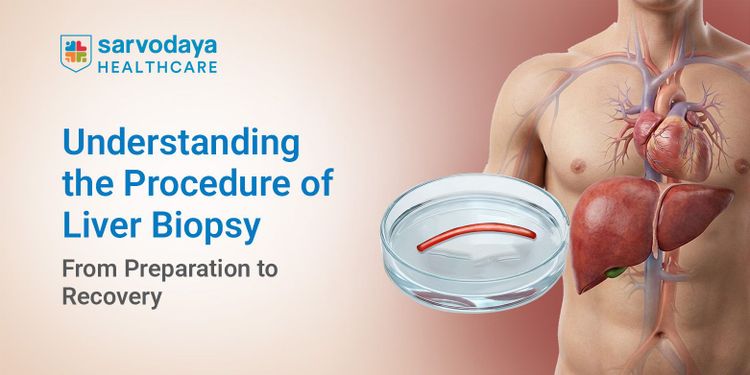
A liver biopsy is a medical procedure in which a small sample of liver tissue is collected for laboratory examination. This biopsy of liver tissue allows doctors to assess inflammation, scarring, infection, or abnormal cell changes that may not be visible through imaging tests alone. The liver biopsy test is commonly used to confirm diagnoses and determine the severity of liver disease.
Clinicians may recommend a biopsy when blood tests, scans, or symptoms suggest conditions such as chronic hepatitis, fatty liver disease, cirrhosis, or unexplained liver enlargement. By analysing the tissue sample, doctors assess disease progression and determine the most effective treatment plan.
Read More- Fatty Liver: Symptoms, Causes & Effective Treatment Options
Types of Liver Biopsy
There are several clinically approved types of liver biopsy used to obtain a liver tissue sample, and the choice depends on the patient’s condition, medical history, and imaging findings. Doctors carefully select the most appropriate method to ensure accuracy while prioritising patient safety.
The commonly used liver biopsy types include the following:
- Percutaneous Liver Biopsy: This is the most frequently performed method. A thin needle is inserted through the skin into the liver to collect a tissue sample. It is usually done under local anaesthesia and ultrasound guidance.
- Transjugular Liver Biopsy: In patients with bleeding risks or fluid accumulation, the biopsy needle is passed through a vein in the neck and guided to the liver. This approach reduces the risk of internal bleeding.
- Laparoscopic Liver Biopsy: This method is performed during minimally invasive surgery, allowing direct visualisation of the liver. It is useful when multiple samples are required or when other abdominal conditions are present.
- Image-Guided Liver Biopsy: Ultrasound or CT imaging is used to precisely target specific areas of the liver, especially when abnormalities are localised.
Different types of liver biopsy ensure that the surgery is tailored to the individual patient’s needs while maintaining diagnostic accuracy.
Process of Undergoing a Liver Biopsy
A liver biopsy is performed in a controlled hospital setting by an experienced gastroenterologist in Faridabad to ensure patient safety and accuracy. It is usually a short surgery, but careful monitoring and precise technique are essential.
The steps involved in the liver biopsy typically include the following:
- Positioning and Preparation: The patient is asked to lie on their back or to turn slightly to the left. The skin over the biopsy site is thoroughly cleaned to prevent infection.
- Local Anaesthesia Administration: A local anaesthetic is injected to numb the area, ensuring minimal discomfort during the biopsy of liver
- Imaging Guidance: Ultrasound or CT imaging is used to identify the safest and most accurate site for tissue sampling.
- Needle Insertion and Sample Collection: A specialised biopsy needle is inserted briefly into the liver to collect a small tissue sample. Patients may be asked to hold their breath for a few seconds during this step.
- Completion and Dressing: Once the sample is obtained, the needle is removed, and a sterile dressing is applied to the site.
Liver biopsy usually takes less than 30 minutes, although patients remain under observation for a few hours afterwards.
Read More- Liver Disease Knowing the Symptoms Can Save
What to Expect After a Liver Biopsy
After a liver biopsy is completed, patients are closely monitored to ensure there are no immediate complications.
Following a liver biopsy test, patients can generally expect the following:
- Post-Procedure Monitoring: Blood pressure, pulse, and pain levels are checked regularly for several hours.
- Mild Discomfort: Some patients experience soreness at the biopsy site or mild shoulder pain, which usually settles with prescribed medication.
- Activity Restrictions: Rest is advised for the remainder of the day, with avoidance of strenuous activities for at least 24 hours.
- Result Timeline: The liver tissue sample is analysed in a laboratory, and results are typically available within a few days.
Most patients recover quickly and resume normal activities soon after, making the liver biopsy test a well-tolerated diagnostic procedure.
Read More- Detoxify Liver with These Magical Juices
Risks and Possible Complications
Patients are closely assessed beforehand to reduce potential concerns and ensure the liver biopsy test is as safe as possible.
Patients need to be aware of the possible risks linked to the biopsy of liver tissue, which may include:
- Pain or Discomfort: Mild pain at the biopsy site or in the right shoulder is common and usually temporary.
- Bleeding: Minor internal bleeding can occur, but significant bleeding is rare and monitored closely after the surgery.
- Infection: Infection at the needle insertion site is uncommon due to strict sterile techniques.
- Injury to Nearby Organs: With image guidance, the risk of accidental injury to surrounding organs is very low.
Understanding Liver Biopsy Cost
The cost of a liver biopsy can vary depending on several clinical and logistical factors.
The following factors influence the cost of a liver biopsy:
- Type of Biopsy Performed: Different liver biopsy approaches, such as the percutaneous or transjugular, may have varying costs.
- Hospital Infrastructure and Expertise: Advanced imaging, specialist care, and post-procedure monitoring can affect the overall expense.
- Patient Condition and Length of Observation: Additional monitoring or tests may slightly increase the cost of the liver biopsy.
Conclusion
A liver biopsy remains a valuable diagnostic tool for identifying and assessing a wide range of liver conditions. Early diagnosis through timely investigation often leads to more effective treatment and improved long-term liver health.
Sarvodaya Hospital, Faridabad, the best gastroenterology hospital in India, offers comprehensive liver care supported by experienced specialists, advanced diagnostic facilities, and patient-focused treatment pathways. Preventive consultations and early evaluation allow doctors to identify liver concerns at an early stage, personalise treatment plans, and reduce the risk of disease progression through timely medical intervention.
Speak to a gastroenterologist in Delhi NCR today and book an appointment now to take a proactive step towards better liver health and informed medical care.