
Overview
An enlarged prostate, medically known as benign prostatic hyperplasia (BPH), is a common condition in men as they grow older. It occurs when the prostate gland increases in size and begins to press against the urinary passage, leading to discomfort and urinary symptoms. Although not cancerous, BPH can affect daily routine, sleep and overall well-being if not managed on time.
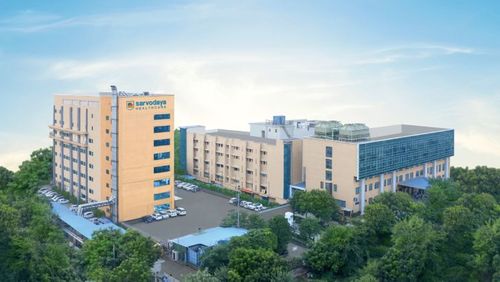
At Sarvodaya Hospital, we offer advanced evaluation and personalised benign prostatic hyperplasia treatment led by highly experienced specialists recognised among the best urologist in Delhi NCR and India. With modern diagnostics, minimally invasive options and patient-focused care, we help men regain comfort, improve urinary flow and maintain long-term prostate health.
Symptoms of Enlarged Prostate (BPH)
- Frequent urination during the day
- Night-time urination (nocturia)
- Weak or slow urine flow
- Difficulty starting urination
- Dribbling after urination
- Feeling of incomplete bladder emptying
- Urgency to urinate
- Straining during urination
- Discomfort in the lower abdomen
- Sudden inability to urinate in severe cases
Causes of Enlarged Prostate (BPH)
- Age-related hormonal changes
- Natural prostate gland growth
- Family history of prostate issues
- Reduced testosterone levels
- Inflammation or prostate irritation
- Metabolic conditions
- Long-term lifestyle factors
- Obesity or sedentary habits
- Certain medications
- Chronic bladder dysfunction
Diagnosis of Enlarged Prostate
Timely diagnosis helps understand prostate size, urinary flow and the impact on bladder health. At Sarvodaya Hospital, a leading urology hospital in India, we use precise tests for accurate evaluation.
- Digital Rectal Examination (DRE): A quick clinical check that helps assess prostate size, tenderness and texture to identify signs of BPH and rule out other prostate issues effectively.
- PSA Blood Test: Measures prostate-specific antigen levels to evaluate prostate health, identify inflammation and assess whether enlargement is linked to benign or other conditions.
- Ultrasound of Prostate & Bladder: Provides detailed imaging to measure prostate size, detect urinary retention and assess the impact of bladder strain caused by BPH.
- Uroflowmetry Test: A specialised study that measures the speed and strength of urine flow, helping determine the degree of obstruction from prostate enlargement.
- Post-Void Residual Scan: Checks how much urine remains after urination, indicating whether the bladder is emptying properly or struggling due to BPH.
- Urinalysis & Kidney Function Tests: Used to detect infections, rule out kidney strain and evaluate the overall impact of prostate enlargement on urinary health.
Treatment for Enlarged Prostate
Treatment for BPH (enlarged prostate) focuses on improving urine flow, reducing discomfort and preventing future complications. Plans are customised according to prostate size, symptoms and overall health.
- Medication-Based Therapy: Medicines that relax prostate muscles or shrink the gland help improve urine flow and reduce urinary symptoms safely.
- Lifestyle & Dietary Guidance: Structured changes in diet, fluid habits and daily routine help reduce urinary frequency, improve bladder comfort and prevent symptom progression.
- Minimally Invasive Robotic Surgery: An AI smart surgical robot is leveraged to perform minimally invasive surgery for an enlarged prostate, enabling fewer cuts, less blood loss and faster recovery.
- Laser Surgery Techniques such as laser treatments or thermal therapy reduce prostate obstruction with minimal discomfort and faster recovery.
- Advanced Endoscopic Surgery: Precision-based procedures like TURP or laser enucleation remove obstructing prostate tissue, restoring normal urinary flow effectively.
- Bladder Function Support: Therapies and exercises that strengthen bladder control help improve long-term urinary stability and reduce discomfort.
- Regular Monitoring: Follow-up scans and urine flow tests help track improvement, adjust treatment plans and maintain prostate health.
Prevention & Lifestyle Modification
Healthy habits can help slow prostate growth, reduce urinary symptoms and maintain long-term wellbeing. Early lifestyle changes support better prostate and bladder health.
- Smart Hydration Habits: Drinking water at regular intervals while limiting intake before bedtime reduces night-time urination and improves comfort.
- Nutritious, Balanced Diet: Foods rich in fibre, vegetables and lean proteins help reduce inflammation and support healthier prostate function.
- Regular Physical Activity: Walking or light exercise helps improve metabolism, support hormonal balance and reduce urinary symptoms.
- Limit Caffeine & Alcohol: Reducing these irritants decreases urinary frequency, urgency and bladder irritation.
- Healthy Weight Maintenance: Managing body weight reduces abdominal pressure and improves urinary flow.
- Routine Medical Check-Ups: Regular screening helps detect prostate changes early and supports long-term health.
Pre and Post Treatment Lifestyle Modifications
Pre-Treatment Modifications:
- Timed Bathroom Schedule: Follow a regular voiding routine to reduce straining, prevent retention and maintain urinary comfort before treatment.
- Hydration Management: Maintain balanced water intake to support bladder health while avoiding excessive night-time urination.
- Pelvic Floor Preparation: Begin gentle pelvic floor exercises, as advised, to improve bladder control and reduce urgency.
- Avoid Heavy Lifting: Minimise physical strain to prevent pressure on the bladder and prostate before treatment or surgery.
- Comfortable Daily Activity: Engage in light walking to maintain overall strength, improve circulation and support healthy urinary flow.
- Medical Review: Share details of all medications, supplements and urinary symptoms with your doctor for accurate treatment planning.
Post-Treatment Modifications:
- Scheduled Voiding Routine: Continue following regular bathroom timings to support better urinary flow and reduce post-treatment discomfort.
- Balanced Hydration: Drink adequate water throughout the day to prevent dehydration and support bladder stability without triggering night-time urgency.
- Pelvic Floor Strengthening: Resume gentle Kegel exercises under guidance to improve bladder control, reduce leakage and enhance long-term urinary health.
- Avoid Heavy Lifting: Refrain from strenuous activities to prevent strain on the prostate area and ensure smooth healing.
- Light Physical Activity: Keep walking daily to rebuild stamina, boost circulation and support healthy bladder function.
- Follow-up Appointments: Attend routine consultations to monitor prostate size, urinary flow and overall recovery for long-term stability.