


Colon cancer is one of the most preventable forms of cancer when detected early. With appropriate screening and timely medical intervention, abnormal growths in the large intestine can be identified and removed before they progress into cancer. Colonoscopy remains one of the most reliable and effective methods for early detection and prevention.
In this blog, we explain how colonoscopy works, who should undergo a colonoscopy test, how to prepare for it, and important considerations, including colonoscopy cost in India.
Understanding the Colonoscopy Procedure
Colonoscopy is a specialised diagnostic examination that allows a gastroenterologist to inspect the lining of the large intestine and rectum using a flexible tube fitted with a camera. The colonoscopy test helps detect inflammation, ulcers, bleeding sources, polyps and early cancerous changes. When required, small growths can be removed during the same sitting, which is sometimes referred to as colonoscopy surgery, although it is typically a minimally invasive day-care intervention.
Doctors may advise a colonoscopy test in the following situations:
- Persistent changes in bowel habits
- Rectal bleeding or blood in stools
- Unexplained abdominal discomfort
- Unintentional weight loss
- Family history of colon cancer
- Follow-up after previous polyp removal
For women, the female colonoscopy procedure follows the same clinical steps but may involve additional discussion about comfort, medical history, and individual risk factors.
Individuals Who Should Consider a Colonoscopy Test
A colonoscopy test is recommended as a preventive screening tool for adults, particularly those aged 45 or older, or earlier for individuals with increased risk factors. The colonoscopy is not only used for screening but also for diagnosing symptoms that may indicate underlying bowel disease.
Your doctor may advise a colonoscopy under the following circumstances:
- Age above 45 years for routine screening
- Family history of colon cancer or polyps
- History of inflammatory bowel disease
- Persistent abdominal pain or bloating
- Blood in stools or unexplained anaemia
- Sudden, unexplained changes in bowel habits
Women are equally encouraged to undergo screening when indicated. The female colonoscopy procedure is safe, structured and performed with appropriate privacy and comfort measures.
Read More- Fibro Liver Scan: A Safe and Advanced Method for Liver Evaluation
Preparation Required Before a Colonoscopy Procedure
The colon must be completely clean so that the lining can be clearly visualised during the colonoscopy test. Inadequate preparation may reduce the effectiveness of the examination and, in some cases, require rescheduling.
Patients are usually advised to follow specific preparation steps before the colonoscopy, including:
- Consuming a low-fibre diet for two to three days before the test
- Switching to clear liquids the day before the procedure
- Taking prescribed bowel-cleansing medication
- Avoiding certain medications as advised by the doctor
- Arranging for someone to accompany them home after sedation
A skilled gastroenterologist in Noida can provide detailed guidance tailored to your medical history.
Process Involved During the Colonoscopy Test
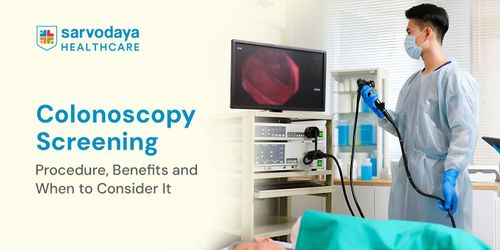
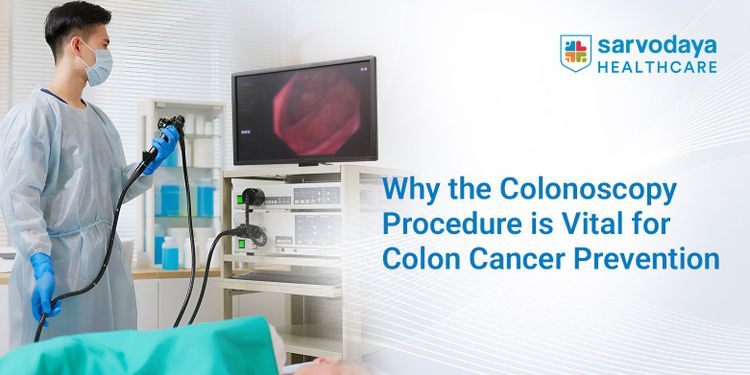
On the day of the appointment, the colonoscopy is performed in a specialised endoscopy suite under monitored care. Patients are given mild sedation to ensure comfort, making the colonoscopy test generally painless and well-tolerated. The colonoscope is gently inserted into the rectum and advanced through the colon, with images displayed on a screen for detailed assessment.
During the colonoscopy, the doctor may perform additional steps if required:
- Careful inspection of the entire colon lining
- Removal of small polyps
- Collection of biopsy samples for laboratory testing
- Control of minor bleeding if detected
These therapeutic measures are sometimes referred to as colonoscopy surgery, although they are minimally invasive and do not involve external incisions.
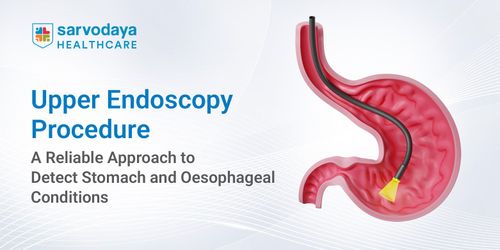
Read More- Upper Endoscopy Procedure
The Need for Colonoscopy Surgery
In most cases, the colonoscopy is purely diagnostic and does not involve major intervention. However, if polyps are identified during the colonoscopy test, they can often be removed immediately. This preventive removal significantly reduces the risk of developing colon cancer in the future.
When polyp removal or biopsy is performed, patients may hear the term colonoscopy surgery, but it remains a day-care procedure with a low complication rate. The benefits of early detection and treatment far outweigh the minimal risks, especially when performed by an experienced gastroenterologist in Delhi NCR.
Recovery After a Colonoscopy Procedure
As sedation is administered during the colonoscopy test, patients are monitored briefly in the recovery area before discharge. Mild bloating or drowsiness may occur, but these symptoms typically resolve within a few hours.
After undergoing a colonoscopy, patients are generally advised to:
- Rest for the remainder of the day
- Avoid driving or operating machinery for 24 hours.
- Resume light meals as tolerated
- Follow specific instructions if a biopsy or polyp removal was performed.
- Contact the hospital if experiencing severe pain, fever or persistent bleeding.
Colonoscopy Test Cost and Accessibility
The colonoscopy test cost can vary depending on factors such as hospital facilities, the specialist’s experience, sedation requirements, and whether biopsies or polyp removal are performed.
When evaluating the colonoscopy cost in India, it is important to consider the quality of care, hygiene standards, and the expertise available, rather than focusing solely on price. Many patients seek consultation with a qualified gastroenterologist in Faridabad to ensure safe and accurate diagnosis.
Conclusion
Colonoscopy remains one of the most powerful preventive tools in modern medicine. When necessary, minor interventions, sometimes described as colonoscopy surgery, can be performed immediately to prevent future complications.
At Sarvodaya Hospital, Faridabad, patients receive comprehensive digestive care under the supervision of an experienced gastroenterologist in Faridabad. Recognised among the best gastroenterologist hospitals in Delhi NCR, the hospital offers advanced endoscopy facilities, transparent guidance on colonoscopy test cost, and clarity on the overall colonoscopy cost in India. Preventive consultation enables early risk assessment and personalised screening plans, thereby improving long-term health outcomes.
If you are due for a colonoscopy or are experiencing concerning symptoms, consult a trusted gastroenterologist to discuss the test and understand your individual risk. Take a proactive step towards digestive health and book an appointment now.