

Pancreatic health is vital in maintaining digestion, energy levels, and general metabolism. Inflammation of the pancreas can lead to pain in the abdomen, digestive dysfunctions, tiredness, and emotional stress. Conditions affecting the pancreas are usually silent, and until the symptoms are noticeable, pancreatic inflammation may already have reached a critical stage that disrupts lifestyle and health in the long run.
In this blog, we aim to explain what pancreatitis is, its underlying causes, warning signs, available treatment approaches, and how recovery can be supported through medical care and lifestyle changes.
Understanding Pancreatitis and When It Becomes Serious
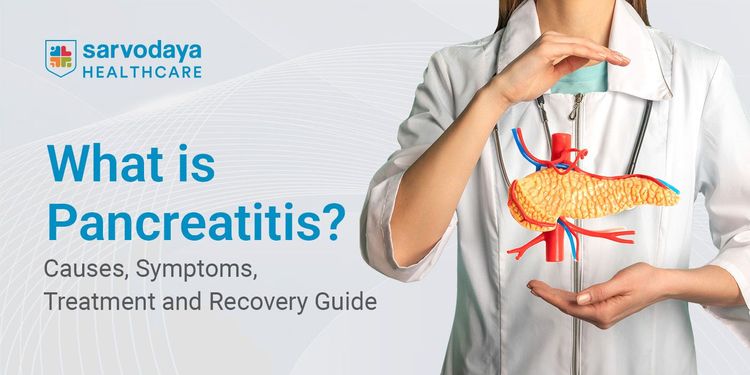
Pancreatitis refers to inflammation of the pancreas, an organ located behind the stomach that plays an essential role in digestion and blood sugar regulation. The pancreas produces digestive enzymes that help break down food, along with hormones such as insulin that regulate glucose levels. When inflammation occurs, these enzymes may begin attacking the pancreas itself, leading to pain and tissue damage.
Pancreatitis can develop suddenly or progress gradually over time. In mild cases, symptoms may resolve with basic medical care, but severe or recurrent inflammation can lead to lasting pancreatic damage. If left untreated, this condition may result in impaired digestion, nutritional deficiencies, and long-term metabolic issues.
Read More about- Understanding Acid Reflux: Common Symptoms, Triggers and Treatment Approaches
Types of Pancreatitis
Based on the onset, severity, and duration, pancreatitis is broadly classified into two main types, each requiring a different treatment approach and level of monitoring.
The two commonly recognised types include the following:
Acute PancreatitisAcute pancreatitis develops suddenly and is often severe in nature. It usually occurs due to gallstones, alcohol intake, or metabolic disturbances. With timely medical care, acute inflammation can resolve completely without causing permanent damage to the pancreas.
Chronic PancreatitisChronic pancreatitis is a long-standing condition where repeated inflammation gradually damages pancreatic tissue. Over time, this may affect digestion and insulin production, leading to diabetes and nutritional deficiencies. Long-term management becomes essential in such cases.
Common Symptoms of Pancreatitis That Should Not Be Ignored
Early identification of warning signs allows for quicker diagnosis and reduces the likelihood of complications.
Some of the most commonly reported pancreatitis symptoms include the following:
- Persistent pain in the upper abdomen that may radiate to the back
- Pain that worsens after eating
- Nausea and repeated vomiting
- Fever and rapid heartbeat
- Unexplained weight loss
- Oily or foul-smelling stools indicate digestive issues
In severe cases, untreated inflammation may lead to a pancreas infection, making immediate medical attention critical.
Read More about- Left vs. Right Side Stomach Pain: Causes, Symptoms and When to See a Doctor
Causes and Risk Factors of Pancreatitis
Pancreatic inflammation can occur due to a variety of medical, lifestyle, and metabolic factors.
Some of the most commonly identified pancreatitis causes include the following:
- Gallstones that block the pancreatic duct and disrupt enzyme flow
- Excessive alcohol consumption over a prolonged period
- High triglyceride levels in the blood
- Abdominal trauma or injury
- Certain medications that irritate the pancreatic tissue
- Autoimmune disorders affecting the digestive organs
- Infections that may progress into a serious pancreas infection
In many patients, multiple risk factors may coexist, increasing the severity of inflammation.
How Pancreatitis Is Diagnosed
Accurate and timely diagnosis is critical in preventing complications related to pancreatic inflammation.
Diagnosis usually begins with a detailed clinical evaluation, followed by specific investigations such as:
- Blood tests to measure pancreatic enzyme levels
- Imaging studies, including ultrasound, CT scan, or MRI
- Endoscopic procedures when structural abnormalities are suspected
An experienced gastroenterologist in Delhi NCR evaluates these findings to determine the severity and type of pancreatitis.
Pancreatitis Treatment Options
The treatment approach for pancreatitis depends on its severity, type, and underlying cause.
The commonly recommended pancreatitis treatment options include the following:
- Hospitalisation for close monitoring, especially in moderate to severe cases
- Intravenous fluids to prevent dehydration and stabilise blood pressure
- Pain management to reduce abdominal discomfort
- Temporary fasting to allow the pancreas to rest
- Enzyme supplements to improve digestion in chronic cases
- Antibiotics when a pancreas infection is suspected
- Surgical or endoscopic procedures if gallstones or duct blockages are identified
Recovery and Lifestyle Changes After Pancreatitis
Long-term healing depends heavily on lifestyle modifications and ongoing medical supervision to prevent recurrence.
Patients recovering from pancreatitis are usually advised to focus on the following lifestyle changes:
- A low-calorie, nutritious diet to support digestion
- Avoiding alcohol reduces the stress levels of the pancreas.
- Quitting smoking, as it adds to the risk of inflammation
- Maintaining a healthy weight to support metabolic activities
- Staying hydrated helps digestive functions.
- Attending regular follow-ups to monitor problems and symptoms of pancreatitis in the long term.
Under professional health supervision, most individuals can gradually return to normal activities while maintaining long-term digestive health.
When to Consult a Specialist
Persistent symptoms or recurrent episodes should never be ignored, as they may indicate progressing inflammation or complications.
It is advisable to consult a specialist in the following situations:
- Severe or persistent upper abdominal pain that does not subside
- Recurrent vomiting or inability to tolerate food
- Rapid, unexplained weight loss
- Ongoing digestive discomfort indicating pancreas problems and symptoms
- Fever or signs suggesting a developing pancreas infection
Seeking care from an experienced gastroenterologist in Faridabad ensures targeted care.
Read More about- Tackling Common Gastric Problems: Symptoms, Causes, Prevention and Treatment
Conclusion
Inflammation of the pancreas can significantly disrupt physical comfort, digestion, and overall quality of life. With proper medical care, lifestyle changes, and regular monitoring, most patients can achieve effective symptom control and long-term recovery.
Sarvodaya Hospital, Faridabad, offers comprehensive care for patients dealing with pancreatitis, supported by experienced specialists and modern diagnostic facilities. With access to skilled teams, including highly qualified gastroenterologists in Delhi NCR, the hospital focuses on accurate diagnosis, evidence-based pancreatitis treatment, and preventive consultations.
Take a proactive step towards better digestive health and book an appointment now to receive personalised care and timely medical support.