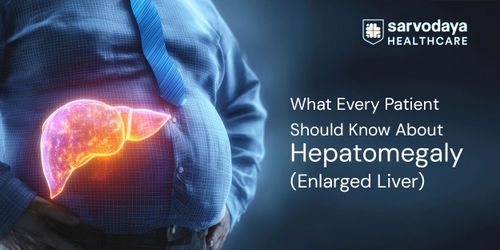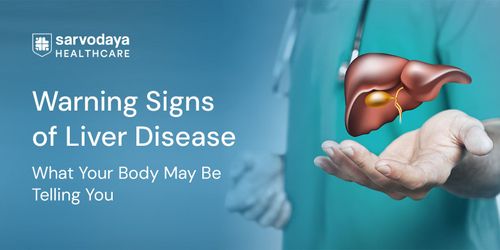

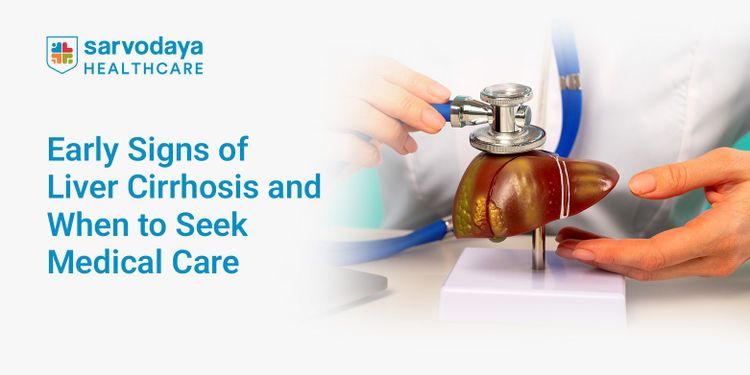


The liver plays a vital role in maintaining overall health, supporting digestion, metabolism, detoxification, and nutrient storage. When the liver becomes repeatedly damaged over time, healthy tissue is gradually replaced with scar tissue, leading to a serious condition known as liver cirrhosis. This progressive disease can significantly impair liver function if not detected early.
In this blog, we explain what liver cirrhosis is, describe common symptoms, discuss causes and risk factors, and explore available treatment options.
Understanding Liver Cirrhosis
Liver cirrhosis is a chronic condition in which long-term liver damage leads to the formation of scar tissue. As scarring increases, blood flow through the liver becomes restricted, reducing its ability to perform essential functions such as filtering toxins, producing proteins, and aiding digestion. Unlike mild liver inflammation, liver cirrhosis represents an advanced stage of liver disease.
The progression of liver cirrhosis often occurs silently over several years. Many individuals do not recognise the early signs of liver cirrhosis until the damage becomes more significant.
Read More- Liver Disease Knowing the Symptoms Can Save
Early Signs of Liver Cirrhosis
The early signs of liver cirrhosis are often mild and easily overlooked, as they can resemble common digestive or lifestyle-related concerns.
Common early signs of liver cirrhosis include the following:
- Persistent fatigue and weakness
- Loss of appetite
- Nausea or mild digestive discomfort
- Unexplained weight loss
- Easy bruising or bleeding
- Mild abdominal discomfort, particularly in the upper right side
Progressive Liver Cirrhosis Symptoms
As liver cirrhosis advances, symptoms become more noticeable and may significantly impact daily life. At this stage, liver function is more severely compromised, and complications can arise.
More advanced liver cirrhosis symptoms may include:
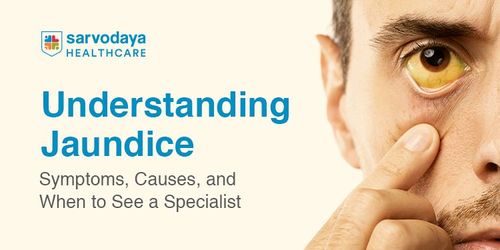
- Yellowing of the skin and eyes, known as jaundice
- Swelling in the legs, ankles, or abdomen due to fluid accumulation
- Itchy skin
- Dark-coloured urine
- Confusion, memory problems, or difficulty concentrating
- Vomiting blood or passing black stools in severe cases
Seeking care at the best gastro hospital in Delhi ensures access to specialised investigations and comprehensive liver cirrhosis treatment. Early intervention remains the cornerstone of improving long-term outcomes in liver cirrhosis.
Causes and Risk Factors
Various medical conditions and lifestyle factors can gradually damage liver cells, leading to scarring and reduced function.
The most common causes of liver cirrhosis include:
- Chronic alcohol consumption
- Long-term infection with hepatitis B or hepatitis C
- Non-alcoholic fatty liver disease associated with obesity and diabetes
- Autoimmune liver disorders
- Genetic and metabolic conditions affecting liver function
When to Consult a Specialist
Timely consultation with a specialist is critical for managing liver cirrhosis. Individuals experiencing persistent fatigue, unexplained weight loss, jaundice, or other concerning liver cirrhosis symptoms should seek medical advice promptly. Even subtle early signs of liver cirrhosis warrant evaluation, particularly in individuals with known risk factors.
Early specialist intervention not only addresses existing liver cirrhosis symptoms but also helps prevent further progression of liver cirrhosis, safeguarding long-term liver health.
Diagnosis of Liver Cirrhosis
Accurate and timely diagnosis of liver cirrhosis is essential to prevent further liver damage and manage complications effectively.
Diagnostic evaluation for liver cirrhosis typically includes:
- Blood tests to assess liver function and detect infection or inflammation
- Ultrasound, CT scan, or MRI to examine the liver structure
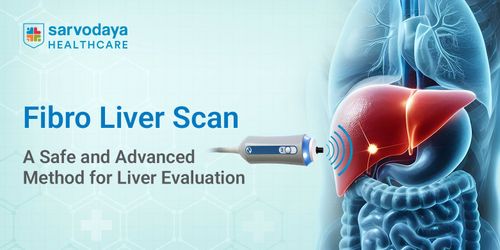
- FibroScan to measure liver stiffness
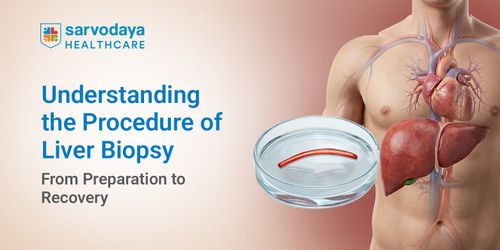
- Liver biopsy in selected cases to confirm the extent of scarring
Prompt diagnosis allows appropriate liver cirrhosis treatment to begin before severe liver cirrhosis symptoms develop.
Read More- Understanding the Procedure of Liver Biopsy
Liver Cirrhosis Treatment Options
While liver cirrhosis cannot always be completely reversed, timely and appropriate liver cirrhosis treatment can slow progression, relieve liver cirrhosis symptoms, and prevent life-threatening complications. The treatment plan depends on the cause, severity, and overall health of the patient.
Common approaches to liver cirrhosis treatment include:
- Complete avoidance of alcohol
- Antiviral therapy for hepatitis-related liver cirrhosis
- Medications to manage fluid retention and reduce swelling
- Nutritional support and dietary modifications
- Regular monitoring for complications such as liver cancer
Treatment provided at the top gastroenterology hospital in India focuses not only on controlling liver cirrhosis symptoms but also on preserving liver function for as long as possible.
Prevention and Monitoring
Preventing the progression of liver cirrhosis requires a proactive approach focused on lifestyle modification, early screening, and regular medical supervision. Individuals at risk, particularly those with a history of alcohol use, viral hepatitis, or metabolic conditions, should remain vigilant for the early signs of liver cirrhosis and seek medical advice promptly.
Key preventive measures include:
- Avoiding alcohol consumption
- Maintaining a healthy weight
- Controlling diabetes and high cholesterol
- Receiving vaccination for hepatitis, where appropriate
- Attending regular follow-up appointments
Conclusion
Liver cirrhosis is a serious but manageable condition when identified early. Timely and structured liver cirrhosis treatment plays a vital role in slowing progression and improving quality of life.
At Sarvodaya Hospital, Faridabad, the best gastroenterology hospital in Delhi NCR, patients receive comprehensive care from an experienced gastroenterologist in Faridabad. The hospital offers personalised treatment for liver cirrhosis, regular monitoring, and preventive consultations. Early specialist evaluation helps detect early signs of liver cirrhosis, manage liver cirrhosis symptoms, and prevent complications effectively.
If you or a loved one notices persistent symptoms, do not delay seeking medical advice. Prioritise your liver health today and book an appointment now to begin appropriate evaluation and liver cirrhosis treatment.