
Overview
Hepatitis C is a viral infection that primarily affects the liver, leading to inflammation and progressive liver damage if left untreated. The hepatitis C disease is caused by the hepatitis C virus (HCV) and is commonly transmitted through infected blood. Understanding hepatitis C is important, as many people remain asymptomatic for years while liver damage continues silently.
Hepatitis C can progress from acute infection to chronic disease, potentially resulting in cirrhosis, liver failure, or liver cancer. With early diagnosis and advanced hepatitis C treatment, the infection is now highly curable in most patients.
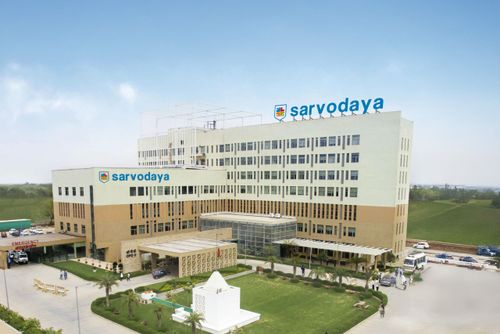
At Sarvodaya, the best gastroenterology hospital in India, patients receive comprehensive hepatitis care supported by experienced hepatologists and advanced antiviral therapy options.
Hepatitis C Symptoms
- Fatigue and weakness
- Loss of appetite
- Nausea or vomiting
- Abdominal discomfort on the right side
- Joint or muscle pain
- Yellowing of skin and eyes (jaundice) in advanced stages
- Dark urine and pale stools
- Easy bruising or bleeding
Hepatitis C Causes
- Sharing needles or syringes
- Blood transfusions before routine screening
- Unsafe medical or cosmetic procedures
- Occupational exposure in healthcare settings
- Transmission from mother to child (rare)
- Unprotected sexual contact (less common)
Hepatitis C Diagnosis
Accurate and early diagnosis of hepatitis C is vital to assess liver damage, confirm infection, and begin timely treatment. Evaluation at the best gastro hospital in Delhi ensures precise testing, early intervention, and improved long-term liver health outcomes.
- Clinical Evaluation: Assessment of symptoms, risk factors, and medical history.
- Hepatitis C Blood Tests: Detect antibodies and viral RNA to confirm infection and viral load.
- Liver Function Tests (LFTs): Evaluate liver enzyme levels and inflammation severity.
- Imaging Tests (Ultrasound / FibroScan): Assess liver scarring and structural damage.
Treatment Options & Technology for for Hepatitis C
Treatment of hepatitis C focuses on complete viral eradication and liver recovery using advanced therapies. Comprehensive Care under a gastroenterologist in Delhi NCR ensures timely antiviral treatment, close monitoring, and lifestyle guidance for optimal long-term outcomes.
- Advanced Diagnostic: Advanced diagnostic tools support accurate assessment and treatment monitoring, including high-end laboratory testing for viral load and liver enzymes, FibroScan Touch 502 for non-invasive liver fibrosis evaluation, high-resolution ultrasound, and advanced imaging such as CT and 3T MRI to detect residual disease or complications early.
- Direct-Acting Antiviral (DAA) Therapy: Highly effective oral antiviral medicines are used to eliminate hepatitis C virus, achieving cure in most patients within a defined treatment duration.
- Regular Monitoring: Periodic blood tests are performed to track viral clearance, assess liver enzyme levels, and confirm sustained liver recovery after treatment completion.
- Lifestyle Management: Avoiding alcohol, maintaining healthy weight, and following a liver-friendly diet help enhance treatment success and protect long-term liver health.
Prevention & Lifestyle Modifications for Hepatitis C
Ensure good liver health at Sarvodaya with the best gastroenterologist in Faridabad. We guide you through essential lifestyle modifications, including avoiding shared needles and alcohol, to prevent Hepatitis C progression. Trust Sarvodaya for expert care and proactive liver protection strategies.
- Avoid Sharing Needles or Personal Items: Prevents transmission through blood contact.
- Ensure Safe Medical and Cosmetic Procedures: Use only sterilised equipment for injections, tattoos, or cosmetic treatments.
- Practice Safe Sexual Habits: Reduce the risk of viral transmission.
- Regular Screening for High-Risk Individuals: Enables early detection and timely treatment.
- Avoid Alcohol Consumption: Protects the liver from further damage and supports long-term liver health.
Pre–Post Treatment Lifestyle Modifications for Hepatitis C
Support your recovery at Sarvodaya under the guidance of the best gastrologist in Noida. We emphasise strict alcohol avoidance and nutritional support to enhance treatment efficacy and post-cure liver regeneration. Trust Sarvodaya for personalised lifestyle plans that ensure long-term health.
Pre-Treatment
- Early testing of risk factors is present
- Baseline viral load and liver assessment
- Lifestyle and medication review
Post-Treatment
- Strict adherence to antiviral therapy
- Follow-up blood tests to confirm a cure
- Healthy diet and alcohol avoidance
- Long-term liver monitoring to determine if advanced damage existed