
Overview
Swallowing problems, medically known as dysphagia, occur when it becomes difficult or painful to swallow food, liquids, or even saliva. This condition may arise due to issues in the throat, oesophagus, or nervous system, and can range from mild discomfort to severe obstruction.
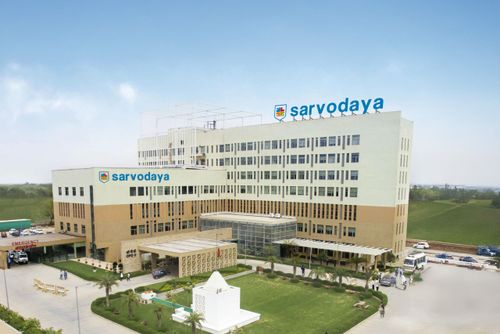
At Sarvodaya Hospital, our gastro specialists provide advanced, minimally invasive and non-surgical dysphagia treatment using modern diagnostic tools and personalised care plans to identify and address the root cause.
Common dysphagia symptoms include choking while eating, persistent coughing, sensation of food sticking in the throat, and unexplained weight loss.
As the best gastro hospital in Delhi NCR, we combine multidisciplinary expertise in gastroenterology to ensure effective management and safe swallowing restoration.
Common Symptoms of Dysphagia
The signs of dysphagia can vary depending on its cause and severity, but they often interfere with eating, drinking, and overall nutrition. Recognising these symptoms early is crucial for timely diagnosis and effective dysphagia treatment.
Common dysphagia symptoms include:
- Difficulty Swallowing: Feeling that food or liquid is getting stuck in the throat or chest.
- Pain or Discomfort While Swallowing: Sharp or burning sensation during meals.
- Coughing or Choking: Frequent coughing while eating or drinking due to food entering the airway.
- Regurgitation: Bringing food or saliva back up after swallowing.
- Voice Changes: Hoarseness or gurgling sound after eating or drinking.
- Drooling or Poor Saliva Control: Especially noticeable in neurological causes of dysphagia.
- Unexplained Weight Loss: Resulting from reduced food intake or poor nutrient absorption.
- Recurrent Chest Infections: Due to aspiration of food or liquids into the lungs.
If these symptoms persist, evaluation by the gastroenterologist in delhi ncr at Sarvodaya Hospital can help identify the cause and guide appropriate treatment for better recovery.
Diagnostic and Treatment Approach
At Sarvodaya Hospital, we follow a comprehensive and multidisciplinary approach to diagnosing and managing dysphagia, ensuring precise identification of the underlying cause and effective long-term recovery.
Diagnosis begins with a detailed medical history and physical examination by an experienced gastroenterologist in faridabad. Depending on symptoms, advanced tests may include:
- Video Fluoroscopic Swallowing Study (VFSS): Real-time X-ray imaging to assess the swallowing mechanism.
- Endoscopic Evaluation (FEES): A flexible scope used to examine the throat and detect abnormalities.
- Barium Swallow Test: Helps visualise the oesophagus and detect blockages or narrowing.
- Manometry: Measures pressure and coordination of muscles in the oesophagus.
- Imaging Tests: CT or MRI scans for identifying structural causes like tumours or neurological involvement.
Dysphagia Treatment is tailored to the cause and severity of the condition. Options include:
- Lifestyle and Dietary Modifications: Eating soft foods, smaller bites, and maintaining proper posture while eating.
- Speech and Swallowing Therapy: Specialised dysphagia therapy exercises guided by trained speech therapists to strengthen swallowing muscles.
- Medication: To manage reflux, inflammation, or infections contributing to swallowing difficulty.
- Endoscopic or Surgical Intervention: For severe cases, endoscopic and minimally invasive POEM treatment is performed.
With advanced diagnostics, expert Gastro care, and rehabilitative support, Sarvodaya Hospital provides complete treatment for swallowing problems focused on restoring safe, efficient, and comfortable swallowing.
Post-Treatment Lifestyle Modifications
Long-term management of dysphagia requires adopting healthy habits and supportive routines to maintain progress after treatment. At Sarvodaya Hospital, our experts guide patients through each stage of recovery with personalised care and education.
- Follow Swallowing Exercises: Continue prescribed dysphagia therapy exercises to strengthen muscles and improve swallowing coordination.
- Eat Mindfully: Take small bites, chew thoroughly, and avoid rushing meals to prevent choking or discomfort.
- Maintain an Upright Posture: Stay seated upright for at least 30 minutes after meals to aid digestion and reduce reflux.
- Dietary Adjustments: Opt for softer foods, adequate hydration, and avoid extremely hot, spicy, or acidic meals.
- Weight and Nutrition Monitoring: Maintain a balanced diet rich in protein and essential nutrients to prevent malnutrition or weight loss.
- Avoid Alcohol and Smoking: These habits can irritate the throat and worsen swallowing issues.
- Regular Medical Check-ups: Routine visits to the best gastroenterology hospital in india help track progress and detect any recurrence early.
With the right rehabilitation, nutrition, and care, patients can regain safe and comfortable swallowing, enhancing both health and confidence.