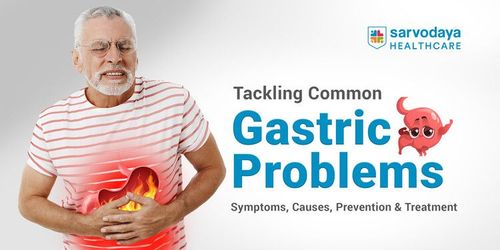

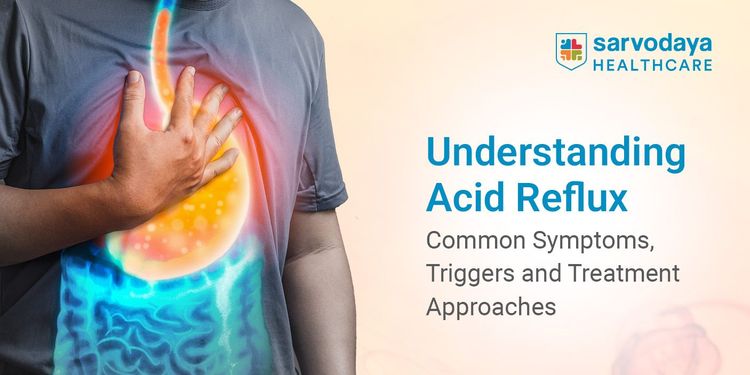


Acid reflux is a well-known but underestimated digestive disorder occurring in all age groups. It causes a burning pain in the chest, an irritated throat, bloating and a feeling of constant unease after eating. Over time, untreated acid reflux can interfere with sleep, eating habits, work productivity, and overall quality of life.
In this blog, we discuss the acid reflux meaning, its most common acid reflux symptoms, the causes behind recurring acidity, available acid reflux treatment options, and when you should consult an experienced gastroenterologist in Delhi NCR.
Understanding Acid Reflux and Why It Occurs
Acid reflux is a condition in which the stomach acid returns to the food pipe or oesophagus. This backward movement occurs because the lower oesophageal sphincter, which is a muscular valve that prevents the acid from flowing up, is weak. When this valve does not close properly, acidic contents irritate the oesophageal lining, resulting in discomfort and inflammation.
The following factors might contribute greatly to the development of acidity symptoms:
- Overeating or eating heavy meals late at night.
- Excess consumption of spicy, oily, or acidic foods
- Obesity and lack of physical activity
- Smoking and alcohol consumption
- High stress levels and irregular eating patterns
Recognising the acid reflux symptoms and taking a timely appointment with a specialist can help in preventing it from worsening and help with the restoration of digestive comfort.
Read More-Truth About Acidity, Bloating and Gut Health
Common Acid Reflux Symptoms to Watch Out For
While some people experience mild discomfort after eating, others may face frequent symptoms that interfere with daily life. Some symptoms may appear occasionally, while others can become persistent if left untreated.
The most commonly reported acidity symptoms include the following:
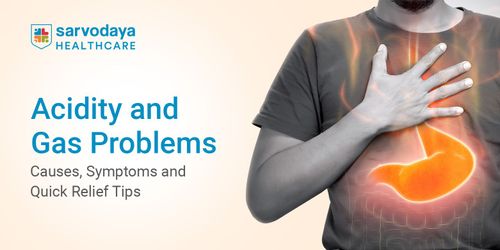
- A burning sensation in the chest, commonly known as heartburn
- Sour or bitter taste in the mouth, especially after meals
- Regurgitation of food or liquid into the throat
- Bloating and excessive belching
- Nausea or a feeling of heaviness after eating
- Difficulty swallowing or a sensation of food getting stuck
Warning Signs That Should Not Be Ignored
Constant or worsening symptoms should not be neglected because they can result in complications that affect the oesophagus and the overall digestive health.
Here are the warning symptoms that may indicate a more serious case of acid reflux and require prompt consultation with a specialist:
- Heartburn occurs multiple times a week.
- Pain in the chest that mimics cardiac discomfort
- Chronic cough, hoarseness, or sore throat
- Painful swallowing or difficulty in swallowing
- Unexplained weight loss or loss of appetite
- Vomiting blood or passing dark stools
Consult a qualified gastroenterologist in Noida to help identify the severity of the condition and to get the right treatment for acid reflux promptly.
Read More- Bursting The Bubble - How To Reduce Bloating, Gas, Flatulance And Acidity
Causes and Risk Factors of Acid Reflux
Acid reflux usually develops due to a combination of lifestyle habits, dietary choices, and certain medical conditions. While occasional reflux may occur after heavy meals, repeated exposure to stomach acid can irritate the oesophagus and worsen symptoms over time.
The most common causes and risk factors include the following:
- Unhealthy eating habits, such as consuming spicy, fried, or fatty foods
- Eating large meals or lying down immediately after eating
- Excess body weight that puts pressure on the stomach
- Smoking and excessive alcohol intake
- Pregnancy-related hormonal changes
- Certain medications that weaken the oesophageal valve
- High stress levels and irregular sleep patterns
Acid Reflux Diagnosis
Doctors may use a combination of clinical assessment and tests to confirm acid reflux and determine its severity.
Common diagnostic methods include the following:
- Physical examination and detailed symptom assessment
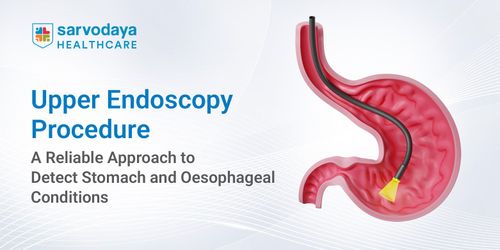
- Upper gastrointestinal endoscopy to examine the oesophagus
- pH monitoring to measure acid levels in the food pipe
- Imaging tests if structural abnormalities are suspected
Acid Reflux Treatment Options
The treatment is normally based on the severity of symptoms, the frequency of episodes, and the underlying causes found during diagnosis. Doctors usually prescribe a combination of methods to treat acid reflux.
These include:
- Dietary changes to reduce foods that trigger symptoms of acid reflux, including spicy food, oily food, and food with acidic items
- Medications that lower the production of stomach acid or protect the lining of the oesophagus
- Lifestyle changes that improve digestion and reduce pressure on the stomach
- Advanced medical care for patients with long-term cases of acid reflux
A consultation & treatment plan with an best gastroenterology hospital in india would ensure individualised treatment results based on specific individual symptoms for long-term digestive health needs.
Lifestyle Changes That Support Long-Term Relief
Small but consistent adjustments in daily habits can significantly reduce discomfort and improve treatment outcomes when combined with medical care.
The most recommended changes include the following:
- Eating smaller meals at regular intervals
- Avoiding late-night meals and lying down immediately after eating
- Maintaining a healthy body weight
- Elevating the head while sleeping to reduce nighttime reflux
- Limiting alcohol, caffeine, and smoking
- Managing stress through relaxation techniques and regular physical activity
When to See a Gastroenterologist
If symptoms continue despite lifestyle modifications or medication, it may indicate an underlying condition that needs expert care.
You should consider consulting a specialist if you experience the following:
- Frequent or worsening acid reflux symptoms
- Difficulty swallowing or persistent chest discomfort
- Night-time reflux that disrupts sleep
- Symptoms that do not improve with basic acid reflux treatment
- Signs of long-standing acid reflux disease
Seeking timely care from a trusted gastroenterologist in Faridabad allows accurate diagnosis and personalised treatment planning.
Conclusion
Acid reflux is more than just occasional discomfort after meals. When left untreated, it can gradually affect the oesophagus, disrupt daily routines, and lower overall quality of life.
Sarvodaya Hospital, Faridabad, offers comprehensive digestive care supported by advanced diagnostic facilities and experienced specialists. As one of the best gastroenterology hospitals in India, the hospital provides personalised treatment plans guided by expert doctors and modern medical technology. Consulting specialists at the best hospital in India, like Sarvodaya, ensures accurate diagnosis, effective acid reflux treatment, and preventive consultation aimed at long-term digestive wellness.
If you are experiencing persistent symptoms or discomfort, it is advisable to book an appointment now and seek timely medical guidance to regain comfort, confidence, and quality of life.