


The digestive system relies on the smooth, uninterrupted movement of food, water, and waste through the intestines. When this flow is impeded, even partially, it can produce severe discomfort and, if not addressed, can result in a life-threatening emergency. This condition, known as intestinal obstruction, requires rapid diagnosis and treatment.
In this blog, we explore the intestinal obstruction definition, its warning signs, underlying causes, and the treatment options available to patients experiencing this condition.
Understanding Intestinal Obstruction
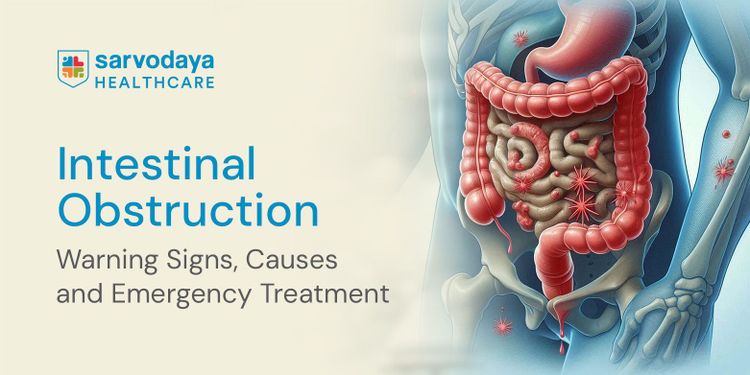
Intestinal obstruction is defined as a partial or total blockage in the small or large intestine that prevents digested food, fluids, and gas from passing through normally. This obstruction might be caused by a physical barrier in the colon or a disruption in the muscle contractions that transport waste through the digestive tract.
Regardless of the origin, the result is the same: a buildup of fluids behind the blockage, causing swelling, pain, and, in severe cases, tissue injury. Early diagnosis can have a significant impact on treatment success and recovery.
Recognising the Warning Signs
The intestinal obstruction symptoms can vary depending on the location and severity of the blockage, but certain signs are commonly reported by patients. Early detection of these symptoms enables quicker diagnosis and treatment.
Common symptoms include:
- Severe, cramping abdominal pain that comes in waves
- Persistent bloating and visible abdominal swelling
- Nausea and repeated vomiting
- Inability to pass gas or stools
- Loss of appetite and general weakness
- Constipation that does not respond to usual remedies
If these symptoms persist or worsen in a short period of time, seek medical assistance immediately, as untreated obstruction can lead to significant problems.
Causes of Intestinal Obstruction
Intestinal obstruction can be caused by a variety of factors, including structural difficulties and underlying medical diseases.
Some of the most common causes include:
- Adhesions or scar tissue from previous abdominal surgery
- Hernias that trap a section of the intestine
- Tumours or growths within the intestinal wall
- Inflammatory bowel conditions, such as Crohn's disease
- Volvulus, where the intestine twists upon itself
- Impacted stool or foreign objects blocking the passage
Prior abdominal surgery is often a key contributing factor; thus, individuals with a surgical history should be on the lookout for unusual digestive problems.
Types of Intestinal Obstruction
Medical specialists categorise intestinal blockage types according to their location, completeness, and underlying mechanism. This classification helps to choose the best course of treatment.
The main types include:
- Small bowel obstruction, affecting the upper portion of the intestine
- Large bowel obstruction, affecting the colon
- Partial obstruction, where some passage of contents is still possible
- Complete obstruction, where no movement occurs through the affected area
- Mechanical obstruction, caused by a physical blockage
- Functional obstruction, caused by impaired muscular movement, also known as paralytic ileus
Each type presents differently and may necessitate a unique diagnostic and treatment strategy, which is why a comprehensive clinical evaluation is critical.
The Need for Emergency Care
Intestinal obstruction is considered a medical emergency, particularly when accompanied by fever, a rapid heart rate, severe pain, or signs of dehydration. Delaying treatment can result in reduced blood flow to the intestine, tissue death, or perforation, all of which carry serious health risks.
Patients experiencing sudden, severe abdominal pain alongside vomiting and an inability to pass stools or gas should seek immediate medical attention. Early consultation with a trusted general surgeon in Noida for intestinal obstruction ensures timely diagnosis through imaging and clinical examination, followed by an appropriate treatment plan.
Diagnosis and Treatment Approaches
Typically, a physical examination, blood tests, and imaging techniques such as X-rays or CT scans are used to determine the location and severity of the blockage. Once diagnosed, treatment for intestinal obstruction is determined by the underlying cause and the patient's general state.
Initial management often includes:
- Bowel rest, with no food or fluids taken orally
- Intravenous fluids to prevent dehydration
- Nasogastric tube placement to relieve pressure and swelling
- Close monitoring of vital signs and symptoms
In cases when the obstruction does not resolve with conservative therapy or complications such as strangulation are suspected, you need to consult a general surgeon for intestinal obstruction.
Conclusion
Intestinal blockage requires immediate attention and skilled medical care. Recognising warning signs early, understanding the potential causes, and knowing when to seek emergency care can greatly improve outcomes and reduce the risk of complications.
Sarvodaya Hospital, Faridabad, offers comprehensive care for patients experiencing digestive emergencies, including intestinal obstruction. With access to advanced diagnostic imaging, experienced surgical teams led by the most renowned general surgeon in Delhi NCR, and round-the-clock emergency services, the hospital ensures that patients receive accurate diagnoses and timely interventions. Beyond emergency care, preventive consultation with specialists at Sarvodaya can help identify underlying risk factors, such as prior surgical scarring or digestive disorders, allowing patients to manage their health proactively and avoid future complications.
If you or a loved one is experiencing symptoms of intestinal obstruction, do not wait for the condition to worsen. Take the first step towards better digestive health and book an appointment now with a qualified specialist.