
Overview
A brain stroke is a medical emergency that occurs when the blood supply to a part of the brain is interrupted or reduced. To truly grasp the brain stroke meaning, one must understand that this blockage prevents brain tissue from receiving oxygen and nutrients, leading to rapid brain cell damage or death. This is why awareness is crucial, as early treatment can significantly reduce disability and save lives.
Brain stroke can affect movement, speech, vision, memory, and other vital functions, depending on the area of the brain involved. Prompt recognition of symptoms and immediate medical intervention play a critical role in recovery.
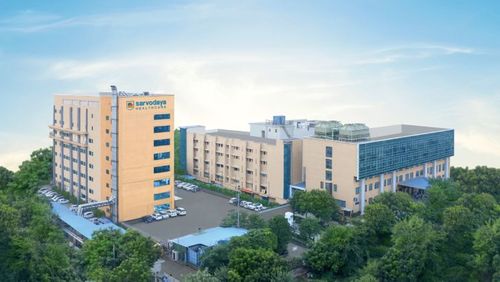
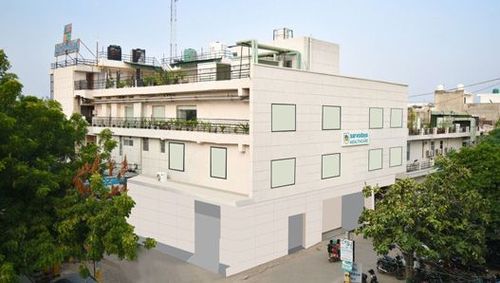
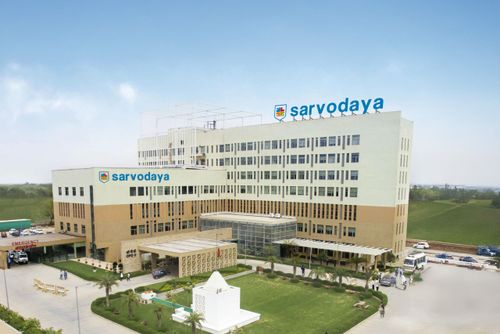
Sarvodaya Hospital, one of the best neurology hospitals in Delhi NCR, offers advanced brain stroke treatment, featuring expert neurologists and comprehensive emergency care support.
Brain Stroke Symptoms
- Sudden weakness or numbness of the face, arm, or leg, especially on one side
- Sudden difficulty speaking or understanding speech
- Sudden vision problems in one or both eyes
- Sudden dizziness, loss of balance, or coordination
- Severe headache with no known cause
- Sudden confusion or altered consciousness
Brain Stroke Causes
While the sudden interruption of blood flow defines the medical emergency, the specific brain stroke reason usually stems from either a blocked artery (ischemic) or a ruptured blood vessel (hemorrhagic).
High blood pressure, heart disease, and lifestyle factors often contribute to this critical failure in oxygen delivery. Identifying the exact underlying cause is essential for doctors to administer the correct life-saving treatment immediately.
- Blockage of blood vessels supplying the brain
- Rupture of a weakened blood vessel
- High blood pressure
- Heart conditions such as atrial fibrillation
- Diabetes and high cholesterol
- Smoking and excessive alcohol consumption
- Obesity and a sedentary lifestyle
Diagnosis of Brain Stroke
Accurate and rapid diagnosis of brain stroke is critical to identifying the stroke type, assessing severity, and initiating timely treatment to reduce brain damage. With access to the best neurologist in Delhi NCR, our team is equipped to handle complex cases with precision, offering advanced intervention when it matters most.
- Clinical Evaluation: Clinical evaluation assesses neurological deficits, including speech, vision, muscle strength, coordination, consciousness level, and reflexes to determine stroke presence, severity, and affected brain regions.
- CT Scan: CT scan provides rapid brain imaging to differentiate ischemic stroke from hemorrhagic stroke, guiding immediate treatment decisions and ensuring safe administration of clot-dissolving therapies.
- MRI Scan: MRI scan offers detailed brain imaging to identify affected areas, extent of tissue damage, early ischemic changes, and helps in precise stroke localisation and prognosis assessment.
- Blood Tests: Blood tests evaluate clotting function, infection markers, electrolyte balance, and metabolic abnormalities that may contribute to stroke development or influence treatment planning.
- Cardiac Evaluation: Cardiac evaluation identifies heart-related conditions such as atrial fibrillation or valve disorders that increase stroke risk, guiding long-term prevention and secondary stroke management strategies.
Treatment Options for Brain Stroke
- Emergency Medical Management: Emergency medical management involves immediate stabilisation, continuous monitoring, airway and blood pressure control, and care within a specialised stroke unit to reduce complications and optimise early recovery.
- Clot-Busting Therapy (Thrombolysis): Clot-busting therapy uses thrombolytic drugs to dissolve blood clots in ischemic stroke when administered within the critical time window, restoring blood flow and limiting brain damage.
- Endovascular Procedures: Endovascular procedures are minimally invasive techniques that remove clots or repair damaged blood vessels using catheter-based methods, improving outcomes in selected acute ischemic stroke patients.
- Surgical Intervention: Surgical intervention is required in selected hemorrhagic stroke cases to control bleeding, reduce intracranial pressure, repair vessels, and prevent further brain injury.
- Rehabilitation Therapies: Rehabilitation therapies, including physiotherapy, speech therapy, and occupational therapy, help restore movement, communication, daily functioning, and independence after brain stroke recovery.
Prevention & Lifestyle Modifications for Brain Stroke
While not all strokes can be prevented, lifestyle changes significantly reduce risk.
- Control blood pressure, diabetes, and cholesterol
- Quit smoking and limit alcohol intake
- Maintain a healthy diet and body weight
- Engage in regular physical activity
- Manage stress effectively
- Take prescribed medications regularly
- Attend routine health check-ups
Pre–Post Treatment Lifestyle Modifications for Brain Stroke
Pre-Treatment
- Immediate recognition of symptoms and rapid hospital transfer
- Stabilisation of airway, breathing, and circulation
- Urgent diagnostic imaging and neurological assessment
Post-Treatment
- Strict medication adherence
- Regular physiotherapy and rehabilitation programs
- Speech and swallowing therapy if required
- Lifestyle modification to prevent recurrent stroke
- Regular neurological follow-ups