


Digestive health plays a vital role in overall well-being. When abnormalities develop in these organs, symptoms such as persistent acid reflux, difficulty swallowing, abdominal discomfort, or unexplained weight loss may occur. Early medical evaluation helps prevent complications and ensures timely treatment of underlying conditions.
In this blog, we explain how upper gastrointestinal endoscopy helps detect stomach and oesophageal disorders early.
Understanding Upper Gastrointestinal Endoscopy
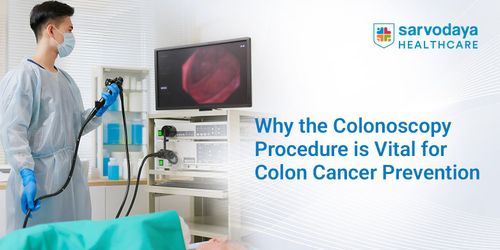
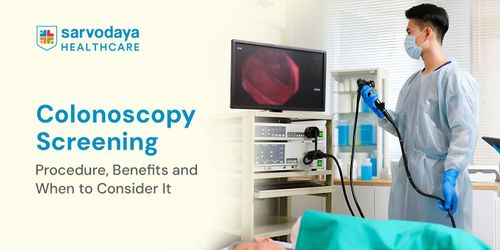
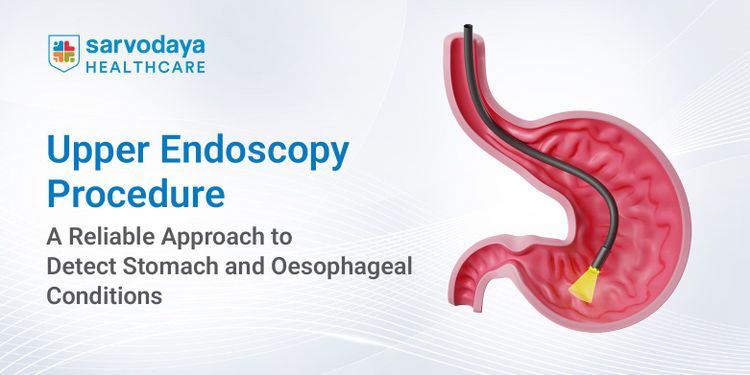
Upper gastrointestinal endoscopy, also known as upper GI tract endoscopy, is a minimally invasive diagnostic technique used to examine the oesophagus, stomach and the first part of the small intestine. Commonly referred to as the UGI endoscopy test, it involves the use of a thin, flexible tube fitted with a light and camera that allows specialists to view the inner lining of the upper digestive tract in real time.
During the upper endoscopy procedure, the endoscope is gently passed through the mouth under careful medical supervision. In some cases, small tissue samples may be taken for laboratory analysis. This safe and effective technique plays an essential role in diagnosing conditions early and guiding appropriate treatment decisions.
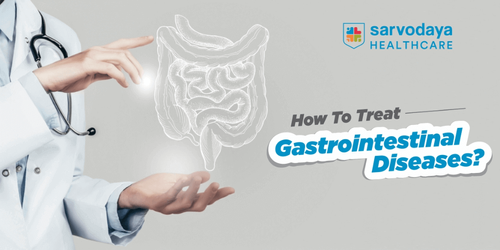
Read More- Get Ahead of Gastrointestinal Diseases
When Upper GI Tract Endoscopy Is Recommended
Doctors advise upper GI endoscopy when patients experience persistent digestive symptoms that require direct visual evaluation of the upper GI tract. Early assessment reduces the risk of complications and allows timely medical intervention.
An upper gastrointestinal endoscopy may be recommended in the following situations:
- Persistent acidity or severe heartburn
- Difficulty or pain while swallowing
- Chronic nausea or unexplained vomiting
- Unexplained weight loss or loss of appetite
- Suspected gastric or duodenal ulcers
- Vomiting blood or passing black stools
- Monitoring previously diagnosed stomach or oesophageal conditions
Conditions Detected Through UGI Endoscopy Test
The UGI endoscopy test is highly effective in detecting a wide range of stomach and food pipe disorders. By allowing direct visual examination of the digestive lining, it helps identify both mild inflammation and more serious structural abnormalities.
An upper gastrointestinal endoscopy can detect the following conditions:
- Gastritis and inflammation of the stomach lining
- Peptic ulcers in the stomach or duodenum
- Oesophageal strictures or narrowing
- Barrett’s oesophagus
- Polyps or abnormal tissue growth
- Gastrointestinal bleeding sources
- Early-stage stomach or food pipe cancer
What to Expect During the Upper Endoscopy Procedure
The upper endoscopy procedure is performed in a controlled clinical setting to ensure comfort and safety. Understanding each step of upper gastrointestinal endoscopy helps reduce anxiety and prepares patients for a smooth experience.
The diagnosis method generally involves the following steps:
- Fasting for six to eight hours before the examination
- Administration of a mild sedative for relaxation
- A local anaesthetic spray is applied to the throat.
- Gentle insertion of the endoscope through the mouth
- Real-time visual examination of the oesophagus, stomach and upper small intestine
- Collection of biopsy samples if required
- Observation for a short period after completion
Safety, Success Rate and Patient Comfort
The UGI endoscopy test is widely recognised as a safe and effective diagnostic investigation when performed by experienced specialists. Choosing the best gastroenterologist hospital in India ensures access to advanced equipment and skilled professionals.
Key safety and comfort aspects include the following:
- High diagnostic accuracy in detecting ulcers, inflammation and abnormal growths
- Minimal discomfort due to sedation during the upper endoscopy procedure
- Low risk of complications
- Short recovery period after upper gastrointestinal endoscopy
- Ability to resume eating once sedation effects subside.Same-day discharge in most cases
Understanding Upper Endoscopy Cost and Insurance Coverage
The cost of a stomach endoscopy can vary depending on several factors, including the hospital’s facilities, the specialists’ expertise, the need for a biopsy, and the type of sedation used. The stomach endoscopy cost may vary slightly if additional diagnostic interventions are required during the test.
Endoscopy costs in India typically remain affordable compared to international standards while maintaining high medical quality. The overall cost of endoscopy may also depend on whether the diagnostic technique is performed in a day-care setting or as part of a broader diagnostic evaluation. Many insurance providers cover upper gastrointestinal endoscopy when it is medically indicated, though coverage terms vary by policy.
Choosing the Best Gastroenterology Hospital in India
Selecting the best gastroenterology hospital typically plays a crucial role in ensuring accurate diagnosis, patient safety and effective treatment. Advanced endoscopy units equipped with modern imaging systems enhance the precision of upper GI tract endoscopy and improve clinical outcomes.
Consulting an experienced gastroenterologist in Noida ensures that the UGI endoscopy test is performed with clinical expertise and patient-focused care. Skilled specialists not only perform the upper endoscopy procedure safely but also provide clear guidance on follow-up care and long-term management of digestive health.
Conclusion
Digestive disorders affecting the stomach and food pipe can significantly impact daily comfort and long-term health if left undiagnosed. Timely evaluation through upper gastrointestinal endoscopy allows doctors to identify inflammation, ulcers, bleeding sources and early-stage cancers with high accuracy.
At Sarvodaya Hospital in India, patients receive comprehensive digestive care, supported by experienced gastroenterologists in Delhi NCR advanced endoscopy facilities and other skilled specialists. Recognised among the best gastroenterology hospitals in Faridabad, the hospital provides precise upper GI endoscopy services under the guidance of skilled, experienced experts.
If you are experiencing persistent digestive symptoms or require expert evaluation, consult a qualified specialist and book an appointment now to receive personalised guidance and a timely diagnosis through a safe and effective upper endoscopy.