
Overview
People with coeliac disease are at risk of malabsorption, digestive issues, and long-term illnesses from untreated disease. Symptoms of celiac disease can be recognised quickly, and proper treatment can help treat the condition effectively.
Coeliac disease is characterised by an abnormal immune response to gluten (a protein found in wheat, barley and rye) as the cause of autoimmune disease, resulting in damage to the lining of the small intestine when gluten is consumed.
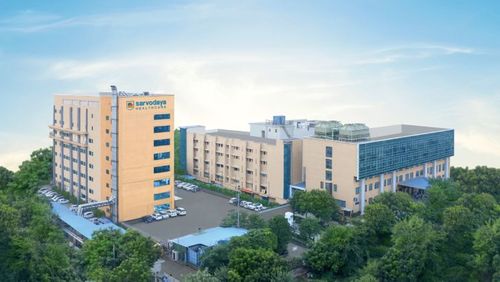
At Sarvodaya Hospital, one of the best gastroenterology hospitals in India, people receive specialised digestive care from experienced gastroenterologists and state-of-the-art diagnostic technology.
Symptoms of Coeliac Disease
- Chronic diarrhoea or constipation
- Abdominal bloating and gas
- Weight loss or poor weight gain
- Fatigue and weakness
- Nutritional deficiencies
- Iron-deficiency anaemia
- Skin rash (dermatitis herpetiformis)
- Delayed growth in children
Causes of Coeliac Disease
- Genetic predisposition
- Autoimmune response triggered by gluten
- Family history of celiac disease
- Associated autoimmune conditions
Diagnosis of Coeliac Disease
Diagnosing coeliac disease accurately is vital for the correct management and long-term follow-up of the patient. Gastroenterologists in Delhi NCR provides proper testing, as well as a timely diagnosis.
- Clinical Evaluation: The doctor will do an assessment of the patient's symptoms (digestive problems), as well as look for nutritional deficiencies, and evaluate the patient's full medical history.
- Blood Tests: Blood tests are used to look for antibodies, specifically antibodies against tissue transglutaminase, which are associated with coeliac disease.
- Endoscopy with Biopsy: A small piece of tissue will be obtained from the small intestine and then examined to see if there is any damage to the intestine from immunologic reactions to gluten.
- Genetic Testing: In some cases, genetic testing may also be utilised to help identify genetic markers related to coeliac disease and determine whether or not the patient has genetic susceptibility to developing coeliac disease.
Treatment Options for Celiac Disease
The effective treatment of celiac disease is based on the elimination of gluten from the diet and the management of nutritional health. Care from the best gastroenterology hospital in Delhi will provide proper diagnosis, dietary assistance, and long-term management of celiac disease.
- Strict gluten-free diet: People with celiac disease must avoid wheat, barley, rye, and any other food that contains gluten to prevent immune-mediated reactions and to promote healing of the small intestine.
- Nutritional support: vitamin and mineral supplementation, which may be required to correct deficiencies caused by improper nutrient absorption in the untreated patient with celiac disease.
- Dietary counselling: assistance from nutrition specialists regarding the development of an adequate and balanced gluten-free diet while ensuring adequate intake of necessary nutrients.
- Regular monitoring: follow-up appointments and blood tests will be used to assess the healing of the intestines, improvement of symptoms, and compliance with a gluten-free diet.
Prevention & Lifestyle Modifications
You can manage your symptoms and maintain your intestinal health through proper lifestyle practices, even though celiac disease cannot be prevented.
- Follow a strict gluten-free diet: The most important way to treat celiac is by following a strict gluten-free diet. By completely eliminating gluten from your diet, which includes foods containing wheat, barley, and rye, you will prevent any immune reaction to gluten and will help heal the small intestine.
- Avoid cross-contamination of foods: To avoid cross-contamination of food with gluten, make sure that gluten-free foods are prepared in separate areas so they do not come into contact with shared utensils, cooking surfaces, or storage areas.
- Read food labels carefully: Reading food labels carefully is very important because it will allow you to find foods that may contain hidden sources of gluten (such as packaged foods, sauces, and processed food).
- Maintain balanced nutrition: The best way to maintain an overall level of health and avoid nutritional deficiencies is to follow a balanced gluten-free diet, meaning you need to eat a variety of foods and get all your vitamins, minerals, and fibre from a gluten-free source.
- Regular medical follow-ups: The more you go to the doctor for follow-up visits, the better chance you have of maintaining your health by monitoring your recovery, managing your symptoms, and ensuring that you are following a gluten-free diet properly.
Pre–Post Treatment Care
Pre-Treatment
- Consult the best gastro doctor in Faridabad in case of persistent digestive symptoms
- Blood tests and diagnostic evaluation
- Dietary assessment
Post-Treatment
- Strict adherence to a gluten-free diet
- Monitoring nutritional status
- Routine follow-ups with the best gastrologist in Noida