
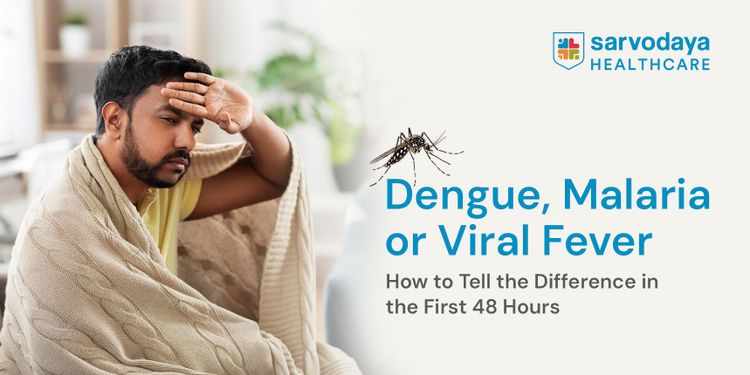


Fever is one of the most common reasons people visit a doctor during the monsoon season. But the real challenge is finding out what's causing it. Dengue, malaria, and viral fever often begin with almost the same symptoms. High fever, headache, body ache, chills, weakness, and loss of appetite can occur in all three. During the first 48 hours, it is often difficult to tell them apart based on symptoms alone.
So, can you know whether it's dengue, malaria, or viral fever within the first 48 hours?
The pattern of fever, your symptoms, where you've been, and whether you've been exposed to mosquitoes or someone with a viral infection can all give your doctor important clues. However, to confirm the diagnosis, you require a test. If the fever continues, gets worse, or warning signs appear, blood tests become important to identify the exact cause and start the right treatment.
In this article, you'll learn how dengue, malaria, and viral fever differ during the first 48 hours, which symptoms need closer attention, when blood tests become necessary, and when it's time to see a doctor.
Why Is It So Difficult to Tell Them Apart in the First 48 Hours?
During the first one or two days, dengue, malaria, and viral fever often look very similar. This happens because your immune system reacts in almost the same way, regardless of what is causing the infection.
Doctors find it difficult to distinguish them early because:
- All three usually begin with fever, making it the first and most common symptom.
- Headache, body ache, chills, weakness, and loss of appetite can occur in all three illnesses.
- The characteristic symptoms often appear later. For example, a dengue rash or the typical fever pattern of malaria may not develop immediately.
- Every patient responds differently. Two people with the same infection may not have exactly the same symptoms.
- Many other infections can cause similar symptoms, so fever alone does not point towards a single disease.
This is why doctors look beyond symptoms and consider your medical history, recent mosquito exposure, ongoing seasonal outbreaks, physical examination, and, when required, blood tests before confirming the diagnosis.
Dengue, Malaria or Viral Fever? Here's How the Symptoms Usually Differ
Although the symptoms overlap, certain features can help doctors identify the most likely cause.
| Feature | Dengue | Malaria | Viral Fever |
|---|---|---|---|
| Cause | Caused by the dengue virus, spread through the bite of an infected Aedes mosquito. | Caused by Plasmodium parasites, spread through the bite of an infected Anopheles mosquito. | Caused by different viruses, such as influenza or adenovirus, and usually spreads from person to person. |
| How the fever usually starts | Sudden high fever that begins abruptly. | High fever often starts with chills and may return in cycles. | Fever may begin gradually or suddenly, depending on the virus. |
| Body and muscle pain | Usually severe. Many people experience intense muscle and joint pain. | Muscle aches can occur but are usually less severe than dengue. | Mild to moderate body ache is common. |
| Headache | Common and often severe, sometimes with pain behind the eyes. | Common, especially during fever episodes. | Common but usually less intense. |
| Respiratory symptoms | Usually absent. | Usually absent. | Sore throat, cough, runny nose, or nasal congestion are common. |
| Skin rash | May appear a few days after the fever begins. | Rare. | May occur with some viral infections but is not a typical feature. |
| Chills and sweating | Chills may occur, but repeated chills with heavy sweating are less common. | One of the characteristic features, especially as the fever rises and falls. | Chills may occur but are usually less pronounced. |
Remember: These are only clinical clues. A person with dengue may not have all the symptoms, and someone with viral fever may initially appear similar. Doctors use these patterns to decide which investigations are required, not to make the final diagnosis.
Can Symptoms Alone Confirm the Diagnosis?
Symptoms help doctors suspect a disease, but they cannot confirm it with certainty.
To reach the correct diagnosis, doctors also consider:
- How long the fever has lasted.
- Whether you've recently been exposed to mosquitoes.
- Whether dengue or malaria cases are increasing in your area.
- Your age, medical history, and existing health conditions.
- Your physical examination findings.
- The results of blood tests, whenever required.
This is why two people with similar symptoms may receive different diagnoses after evaluation. One may have a self-limiting viral infection, while another may have dengue or malaria that requires close monitoring and specific treatment.
If your fever persists, worsens, or is accompanied by warning signs, do not rely on symptoms alone. Seek medical evaluation so the right tests can identify the exact cause and treatment can begin without delay.
Which Blood Tests Help Doctors Confirm the Diagnosis?
During the first 48 hours, symptoms can point doctors in the right direction, but they usually cannot confirm whether the illness is dengue, malaria, or a viral infection. Blood tests help identify the exact cause so that treatment can begin without delay.
The tests your doctor recommends depend on how long you've had the fever, your symptoms, and the findings during examination.
- Complete Blood Count (CBC): Usually the first investigation for patients with fever. It checks your platelet count, white blood cells, and haematocrit, helping doctors monitor how the infection is affecting your body. A normal platelet count in the early stage does not rule out dengue.
- Dengue NS1 Antigen Test: Most useful during the first five days of fever. It detects a protein released by the dengue virus and helps identify an early infection before antibodies develop.
- Dengue IgM and IgG Antibody Tests: These become more useful after the first few days of illness, when your immune system starts producing antibodies against the virus.
- Rapid Malaria Antigen Test: Detects malaria proteins in the blood and provides quick results when malaria is suspected.
- Peripheral Blood Smear: This test examines a drop of blood under a microscope to look directly for the malaria parasite. It also helps identify the type of malaria, which guides treatment.
One important point to remember is that the timing of the test matters. In some cases, a test performed very early may not detect the infection. If your symptoms continue or become more suggestive of dengue or malaria, your doctor may advise repeating the test or ordering additional investigations.
Which Symptoms Should Never Be Ignored?
Most viral fevers settle with rest and supportive care. However, certain symptoms may suggest that the illness is becoming more serious and should never be ignored.
Seek immediate medical attention if you develop:
- Severe abdominal pain.
- Persistent vomiting.
- Bleeding from the nose or gums, blood in vomit or stools, or unusual bruising.
- Difficulty breathing or chest discomfort.
- Extreme weakness, excessive drowsiness, confusion, or restlessness.
- Signs of dehydration, such as passing very little urine, severe thirst, dizziness, or a very dry mouth.
- A high fever that persists or worsens despite treatment.
These warning signs do not always mean dengue or malaria, but they do indicate that you need prompt medical evaluation.
What Should You Do During the First 48 Hours of Fever?
While waiting for the exact diagnosis, the goal is to manage the fever safely and watch for any warning signs.
Doctors generally advise:
- Drink plenty of water and oral fluids to prevent dehydration.
- Get adequate rest and avoid strenuous physical activity.
- Take paracetamol (acetaminophen) for fever or body ache, but only as advised by your doctor.
- Avoid aspirin, ibuprofen, naproxen, and other NSAID painkillers until dengue has been ruled out, as these medicines can increase the risk of bleeding.
- Monitor your symptoms carefully, especially if new symptoms such as rash, severe abdominal pain, persistent vomiting, or bleeding develop.
- Consult a doctor if your fever persists, worsens, or warning signs appear. Early evaluation allows the right tests to be performed at the right time.
Trying to identify the illness on your own can be difficult during the early stage. A timely medical assessment remains the safest way to reach the correct diagnosis and begin appropriate treatment.
Seasonal Fever Care at Sarvodaya Hospital
At Sarvodaya Hospital, we understand that timely diagnosis is the key to managing seasonal illnesses such as dengue, malaria, and viral fever. Since these conditions often present with similar symptoms during the initial stage, our focus is on identifying the exact cause through careful clinical evaluation and appropriate investigations, allowing treatment to begin as early as possible.
Our comprehensive approach includes:
- Experienced physicians skilled in diagnosing and managing seasonal infectious diseases across all age groups.
- 24×7 emergency services for patients requiring immediate medical attention or hospitalisation.
- Advanced diagnostic support, including Complete Blood Count (CBC), dengue NS1 antigen and antibody tests, malaria investigations, and other laboratory services.
- Evidence-based treatment protocols tailored to the patient's symptoms, diagnosis, age, and existing medical conditions.
- Critical care and multidisciplinary support, ensuring seamless management for patients who develop complications.
- Continuous monitoring and recovery guidance, with advice on hydration, nutrition, medications, follow-up, and recognising warning signs after discharge.
Our goal is not only to treat the infection but also to provide timely, accurate, and compassionate care that supports a safe recovery for every patient.