


Medical research has made great progress in the diagnosis and treatment of cancer and thyroid diseases. Among these advancements, nuclear medicine has emerged as one of the most accurate fields, providing previously inconceivable focused remedies. Using precisely calibrated radioactive elements, doctors may now diagnose disease early and provide medication specifically to damaged cells, sparing healthy tissue and facilitating a smoother recovery.
In this blog, we explore how advanced nuclear therapy for cancer and thyroid disorders works, the technologies behind it, and why patients across the region are increasingly turning to specialised nuclear medicine treatment in Faridabad for their diagnostic and treatment needs.
Understanding Nuclear Medicine and Its Growing Role
Nuclear medicine is a specialised branch that uses small, safe doses of radioactive chemicals, known as radiopharmaceuticals, to diagnose and treat a variety of illnesses. Unlike conventional imaging, which only shows structure, nuclear medicine reveals how organs and tissues operate at the molecular level. This makes cancer treatment with nuclear medicine very helpful, as it allows doctors to detect abnormal activity before it becomes visible through other means. A well-equipped nuclear medicine department at Faridabad hospital combines diagnostic imaging and treatment under one roof, ensuring continuity of care from the initial scan to the final follow-up.
The Process of How Advanced Nuclear Therapy Works for Cancer Patients
Nuclear treatment is a systematic process that targets damaged cells while protecting the rest of the body. Understanding these processes might help patients feel more prepared and comforted as they begin treatment.
The main steps involved in this process are given below:
- A radioactive tracer or therapeutic agent is administered, either orally or through injection, depending on the condition being treated.
- The substance travels through the bloodstream and is absorbed preferentially by cancerous or overactive cells.
- Once absorbed, the radiation acts locally, damaging targeted cells while minimising exposure to healthy tissue.
- Doctors monitor progress through follow-up scans and blood tests, adjusting the treatment plan if required.
This approach reflects the essence of targeted nuclear therapy for cancer patients offered at a hospital for nuclear therapy in Faridabad, where precision replaces broader, less selective techniques used in previous decades.
Radioiodine Therapy for Thyroid Cancer and Disorders
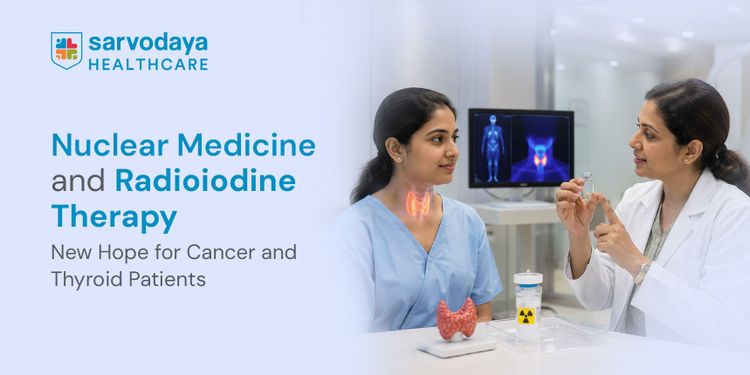
Nuclear medicine is especially effective for thyroid disorders, owing to the thyroid gland's natural ability to absorb iodine. This biological characteristic provides a considerable therapeutic advantage in thyroid cancer nuclear therapy.
Some of the ways this therapy is applied are given below:
- In radioactive iodine therapy for thyroid cancer, a carefully calculated dose of radioactive iodine is given, which the thyroid tissue absorbs and which then destroys any remaining cancerous or overactive cells after surgery.
- Patients with hyperthyroidism or certain benign thyroid enlargements may also benefit from radioiodine therapy treatment to improve gland function without the need for invasive surgery.
- The therapy is usually administered as a single oral dose, followed by a short period of precautionary isolation to allow residual radioactivity to decrease safely.
This tailored approach has made thyroid disorder treatment in Faridabad significantly more effective, providing patients with a dependable alternative to frequent surgical intervention.
The Role of PET CT Scans in Diagnosis and Treatment Planning
Accurate diagnosis is at the foundation of successful cancer care, and imaging technology plays an essential role.
Some of the key advantages of this scan are given below:
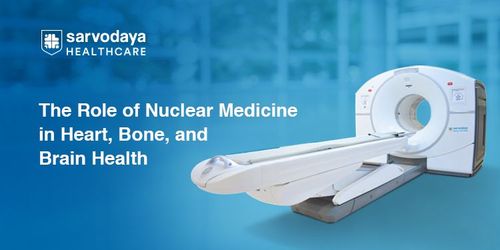
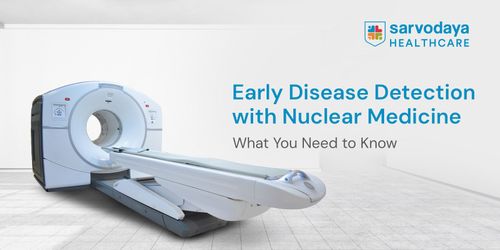
- A PET CT scan in Faridabad merges functional and structural imaging, allowing specialists to pinpoint the exact location, size, and metabolic activity of a tumour.
- PET CT and nuclear medicine treatment work hand in hand, as the scan results directly inform the dosage and delivery method used during therapy.
- Regular PET CT follow-ups help track how well a patient is responding to treatment, allowing for timely adjustments where necessary.
Benefits of Choosing Targeted Nuclear Therapy
Nuclear therapy has several distinct advantages over conventional treatment approaches, making it an increasingly popular option for patients.
Some of the key benefits of choosing this treatment are given below:
- Nuclear therapy delivers radiation with a high degree of precision, reducing damage to healthy surrounding tissue.
- Many surgeries are minimally invasive and can be completed without prolonged hospital stays.
- Side effects tend to be milder than with some traditional cancer treatments.
- Treatment plans are personalised to the patient's overall health, disease stage, and response to earlier therapies.
Conclusion
Nuclear medicine has transformed how cancer and thyroid problems are identified and treated, providing previously unattainable levels of precision. From early identification with PET CT imaging to tailored treatments like radioiodine therapy, this discipline is constantly improving outcomes while minimising the burden on patients and their families.
As a trusted cancer care hospital in Faridabad, Sarvodaya Hospital brings together advanced diagnostic tools, experienced specialists, and a supportive environment for every patient undergoing thyroid cancer treatment. Unlike traditional surgery or prolonged courses of radiotherapy, nuclear therapies at Sarvodaya Hospital offer sharper precision, shorter recovery times, and reduced side effects, making it especially valuable for cancers and thyroid conditions that respond poorly to conventional treatment alone.
If you or a loved one is experiencing symptoms related to cancer or a thyroid condition, do not wait to seek expert guidance. Book an appointment now with Sarvodaya Hospital's nuclear medicine team and take a confident step towards accurate diagnosis and personalised care.