
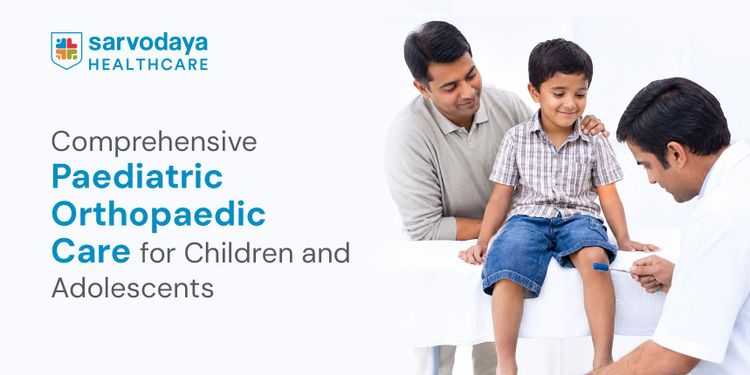


One of the greatest pleasures of parenthood is watching a child develop, run, climb, and play, yet growing bodies are also sensitive and prone to illnesses that require specialised care. Since their growth plates, bones, and joints are still developing, any orthopaedic problem, whether from birth or an injury, must be evaluated and treated differently than in an adult.
In this blog, we explore what makes paediatric orthopaedic care different and why timely treatment from a qualified paediatric orthopaedic surgeon is essential.
What Sets Paediatric Orthopaedic Care Apart
Children's musculoskeletal systems are still forming, and their bones contain growth plates, areas of developing cartilage tissue near the ends of long bones, that continue to shape height and structure well into the teenage years. An injury or condition affecting these growth plates can influence how a limb develops over time, which is why treatment approaches used for adults are rarely suitable for younger patients.
A dedicated paediatric orthopaedic specialist understands these differences and tailors every treatment plan to a child's age, growth stage and activity levels, ensuring that both immediate discomfort and long-term development are addressed together.
Common Conditions Treated Under Paediatric Orthopaedic Care
Knowing which problems require the care of a skilled paediatric orthopaedic doctor near me assists parents in determining when to seek prompt medical assistance.
Below is a general overview of the concerns most frequently seen in children:
- Clubfoot and other congenital foot deformities present at birth
- Developmental hip dysplasia affecting the hip joint
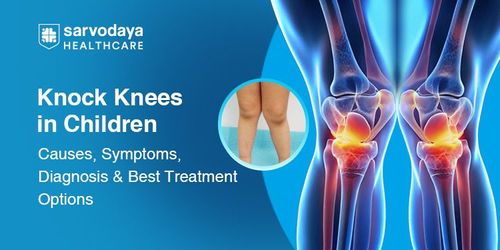
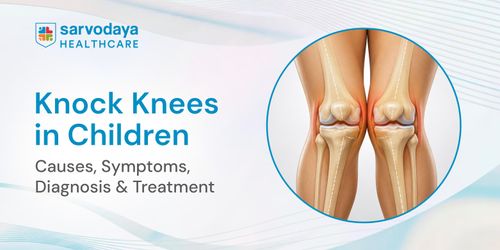
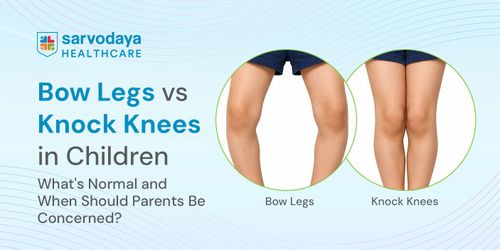
- Bowed legs, knock knees and other limb alignment issues
- Fractures resulting from falls, sports or accidents
- Scoliosis and other spinal curvature concerns
- Bone infections and growth disturbances
Clubfoot Treatment in Children
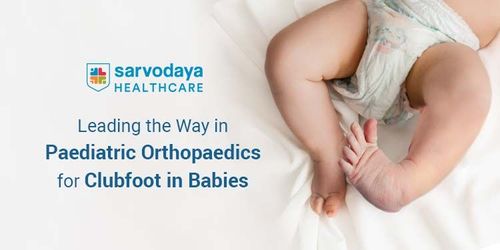
One of the more prevalent congenital disorders is clubfoot, which causes a baby's foot to bend downward and inward at birth. The Ponseti method, which involves gradually manipulating and casting the foot over several weeks, is usually used to cure clubfoot in infancy. A brace is then worn for a longer period of time to preserve the correction.
When implemented at a young age, this method is quite successful in assisting kids in acquiring a typical gait without requiring major surgery in the future.
Paediatric Hip Dysplasia Treatment
Hip dysplasia is a condition in which the ball and socket fit together loosely due to improper hip joint formation. It can cause discomfort, an uneven gait, and early joint wear in adulthood if left untreated. Treatment for paediatric hip dysplasia varies according to the child's age at diagnosis.
As older children may need bracing or, in more difficult situations, surgical correction, infants may be treated with a soft harness that maintains the hip in the proper position as it continues to develop.
Paediatric Fracture Treatment
Fractures are one of the most frequent reasons families visit an orthopaedic department because children are typically active. Fractures frequently mend differently in children than in adults because their bones are still developing and softer, and growth plate involvement requires special attention to prevent future alignment issues.
Simple casting, splinting, or, in the case of more complicated fractures, minimally invasive techniques intended to preserve the growth plate while promoting proper bone healing may be used to treat paediatric fractures.
Paediatric Limb Deformity Treatment
Some children have abnormalities in limb alignment or length from birth, which can influence how they run, walk, or stand. Treatment options for paediatric limb deformities include bracing or guided growth treatments that gradually correct alignment, as well as observation and physical therapy.
In more serious situations, children can move easily and confidently as they grow thanks to surgeries that restore balanced limb length and function.
The Role of a Paediatric Orthopaedic Surgeon
While not all conditions necessitate surgery, having a skilled paediatric orthopaedic surgeon can significantly improve results when surgery is the best option. Paediatric orthopaedic surgery is designed with a child's ongoing development in mind, employing methods that reduce interruption to daily life and protect developing bones, from fixing difficult fractures to treating congenital deformities.
In order to promote a seamless, comprehensive recovery, surgeons in this field collaborate closely with physiotherapists and paediatricians. They have received specialised training in child anatomy and rehabilitation.
When to Consult a Children Bone Specialist
Parents frequently don't know whether a persistent complaint is just a normal part of growing up and when it requires medical treatment.
A few common signs are worth keeping an eye on, and noticing them early can lead to simpler, more effective treatment:
- Persistent limping or reluctance to bear weight on a limb
- Visible swelling, bruising or deformity after a fall
- One leg or arm appearing longer, shorter or differently shaped than the other
- Ongoing joint or bone pain that does not settle with rest
- Delayed walking or an unusual gait pattern
Conclusion
Every child deserves the chance to grow, play and move without pain or restriction, and timely orthopaedic care plays a central role in making that possible. Parents who stay alert to the signs and seek guidance promptly give their children the best possible foundation for healthy, active years ahead.
Sarvodaya Hospital, Faridabad, is well known for its dedicated approach to child orthopaedic care, bringing together experienced specialists, advanced diagnostic facilities and a genuinely child-friendly environment. The hospital's team manages everything from clubfoot correction and hip dysplasia to fractures and limb deformities, with treatment plans built around each child's growth and comfort.
Speak to a specialist team that understands the needs of growing children, and book an appointment now to give your child the best start towards a healthy, active future.