
Overview
Cervical pain, commonly referred to as neck pain, is discomfort arising from the cervical spine region, which supports the head and enables neck movement. Understanding cervical pain is important, as persistent symptoms may indicate underlying nerve, muscle, or spinal involvement.
Cervical pain can range from mild stiffness to severe radiating pain affecting the shoulders and arms. Early diagnosis and appropriate cervical pain treatment help prevent chronic complications and improve quality of life.
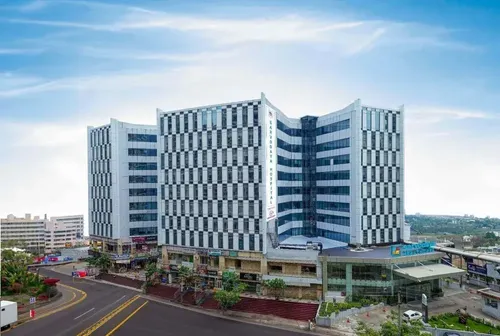
At Sarvodaya Hospital, patients receive advanced evaluation and treatment at the best neurology hospital in Delhi NCR, supported by spine specialists in Faridabad and expert neuro physicians in Noida and NCR.
Symptoms of Cervical Pain
- Neck stiffness or restricted movement
- Dull aching or sharp neck pain
- Pain radiating to the shoulders or arms
- Numbness or tingling in the hands
- Headache originating from the neck
- Muscle spasms
- Weakness in the upper limbs
Cervical Pain Causes
- Poor posture and prolonged screen time
- Cervical spondylosis
- Herniated cervical disc
- Muscle strain or ligament injury
- Whiplash or trauma
- Degenerative spine disease
- Nerve compression
Diagnosis of Cervical Pain
Accurate diagnosis of cervical pain helps identify the source, assess severity, and guide appropriate treatment under the care of the best spine doctor in Greater Noida.
- Clinical Examination: Assessment focuses on neck mobility, posture, muscle strength, reflexes, and neurological symptoms such as numbness or weakness to evaluate cervical spine involvement.
- X-rays of Cervical Spine: X-ray imaging helps detect degenerative changes, spinal alignment issues, bone spurs, or disc space narrowing contributing to neck pain.
- MRI Scan: MRI imaging identifies disc herniation, nerve root compression, spinal cord involvement, or soft tissue abnormalities causing persistent or severe cervical pain.
- CT Scan (Selected Cases): CT scanning provides a detailed evaluation of cervical bone structures and is recommended when fractures, complex degeneration, or surgical planning require precise anatomical detail.
Treatment Options & Technology for Cervical Pain
Effective cervical pain treatment focuses on relieving pain, restoring mobility, and addressing underlying causes to prevent recurrence and long-term complications.
- Medications: Pain relievers, anti-inflammatory drugs, and muscle relaxants are prescribed to reduce pain, inflammation, and muscle spasms.
- Physiotherapy: Targeted strengthening and stretching exercises help improve posture, increase flexibility, and reduce stiffness in the neck and upper back.
- Lifestyle & Ergonomic Correction: Posture management and proper workstation setup help minimise strain on the cervical spine during daily activities.
- Cervical Collar (Short-Term Use): Temporary use of a cervical collar provides neck support during acute pain episodes and helps limit painful movements.
- Advanced Spine Procedures: Minimally invasive spine interventions may be recommended in severe or persistent cases when conservative treatments do not provide relief.
- Advanced Neuro Imaging & Diagnostics: Sarvodaya houses a dedicated Neuro Lab equipped with 3T MRI, CT, and PET CT, enabling precise diagnosis, accurate treatment planning, and effective post-treatment monitoring under the supervision of the best neurologist in Faridabad.
Prevention & Lifestyle Modifications for Cervical Pain
Preventive measures and lifestyle modifications help reduce recurrence, minimise severity, and maintain long-term cervical spine health and mobility.
- Maintain Correct Sitting Posture: Proper sitting posture reduces strain on neck muscles and supports natural cervical spine alignment during daily activities.
- Use Ergonomic Chairs and Desk Setup: An ergonomic workstation helps maintain neutral neck positioning and prevents excessive stress on the cervical spine.
- Avoid Prolonged Screen Time: Limiting continuous screen use and taking regular breaks reduces neck stiffness and muscle fatigue.
- Perform Regular Neck Exercises: Gentle stretching and strengthening exercises improve flexibility, posture, and muscle support around the cervical spine.
- Maintain Healthy Body Weight: A healthy weight reduces overall spinal load and lowers stress on neck and shoulder muscles.
- Avoid Carrying Heavy Loads on Shoulders: Reducing heavy shoulder loads helps prevent muscle strain and compression-related cervical spine issues.
Pre–Post Treatment Lifestyle Care
Pre-Treatment
- Early medical consultation for persistent symptoms
- Baseline spine imaging if required
- Activity and posture assessment
Post-Treatment
- Regular physiotherapy adherence
- Gradual return to daily activities
- Ergonomic improvements
- Routine follow-up with the best neurologist in Delhi NCR