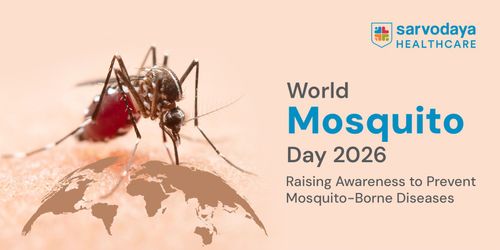

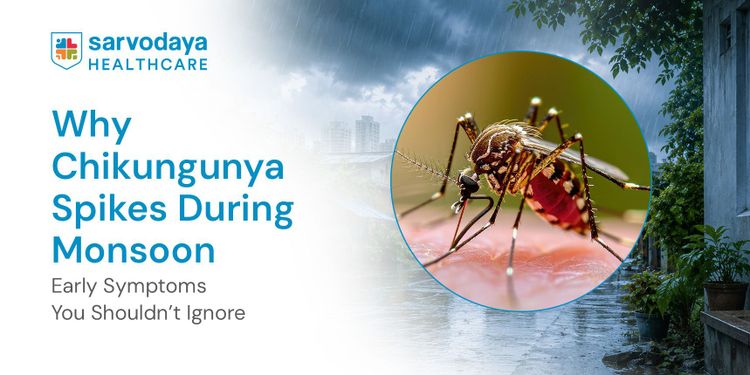


Monsoon brings more than cooler weather and relief from the heat. It also creates conditions in which Aedes mosquitoes can breed, particularly when rainwater collects in containers, coolers, tyres, plant pots and other places around homes.
Chikungunya spreads through the bite of an infected Aedes mosquito. The infection often begins with a sudden fever and intense joint pain, but early symptoms can overlap with dengue and other mosquito-borne infections.
This makes the first few days important. Knowing which symptoms to watch for, when they usually appear, and when you should consult a doctor can help you seek the right care instead of assuming every monsoon fever is the same.
Why Does Chikungunya Increase During Monsoon?
The virus itself does not appear because of the rain. The mosquito population increases when monsoon conditions provide more breeding sites.
The Aedes aegypti and Aedes albopictus mosquitoes can breed in small amounts of stagnant water around homes and communities. When infected mosquitoes bite people, they spread the virus and continue the transmission cycle.
So during the monsoon, the risk rises when:
- Rainwater collects in containers, coolers, pots, tyres or other objects.
- Mosquitoes find suitable places to lay eggs.
- People spend more time around areas where mosquitoes are active.
- An infected mosquito bites another person and continues the cycle of transmission.
This is also why removing stagnant water remains one of the most important ways to reduce chikungunya transmission.
What Is Chikungunya?
Chikungunya is a viral infection transmitted mainly by infected Aedes mosquitoes. The name comes from an African word describing the stooped or bent posture that severe joint pain can cause.
The infection does not usually spread directly from one person to another through coughing, sneezing or ordinary physical contact. Instead, the mosquito acts as the link between an infected person and another person.
This creates an important point during an outbreak:
A person with chikungunya should also prevent mosquito bites during the early phase of illness.
If a mosquito bites an infected person, it can acquire the virus and later transmit it to another person.
What Are the Early Symptoms of Chikungunya?
Chikungunya usually develops within a few days after an infected mosquito bites you. The typical window is about 2–7 days.
The illness often begins suddenly.
The symptoms you should watch for include:
- Sudden fever
- Severe joint pain
- Joint swelling
- Muscle pain
- Headache
- Rash
- Fatigue
- Nausea
- Red eyes in some people
Note: The combination of sudden fever and prominent joint pain is particularly characteristic of chikungunya.
Why Is the Joint Pain So Important?
Fever may be the symptom that brings you to the doctor, but joint pain is one of the features that makes chikungunya different from many other viral fevers.
The pain can affect several joints and may become severe enough to make walking or normal movements difficult. Some people also develop swelling around the joints.
For many patients, the fever improves within about a week, while for some people, persistent joint and muscle pain develops for months or even years.
So don't ignore severe joint pain simply because the fever has started coming down.
Chikungunya, Dengue or Malaria: Why Do They Look Similar?
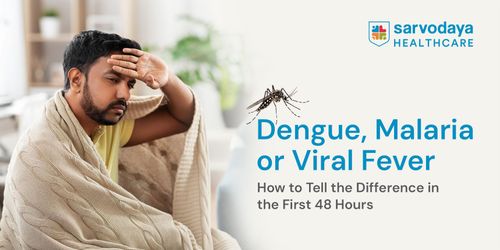
All three infections can cause fever, weakness, headache and body aches. This makes it difficult to identify the infection from symptoms alone, particularly during the first few days.
There are, however, some clinical patterns doctors look for:
| Feature | Chikungunya | Dengue | Malaria |
|---|---|---|---|
| Fever | Often sudden | Often high | Often comes with chills |
| Joint pain | Often prominent and severe | Can occur | Can occur |
| Muscle pain | Common | Common | Common |
| Rash | Can occur | Can occur | Less typical |
| Nausea/vomiting | Can occur | Common | Can occur |
| Chills | Can occur | Can occur | Often prominent |
| Prolonged joint pain | Characteristic | Less typical | Less typical |
How Is Chikungunya Diagnosed?
Doctors usually begin with your symptoms, examination and recent mosquito exposure. They may then recommend a blood test to confirm chikungunya or rule out infections with similar symptoms.
The timing of the test also matters because different tests detect the infection at different stages.
So if you develop sudden fever with significant joint pain during monsoon, do not assume it is simply a viral fever. A doctor can decide which tests you need based on your symptoms and how long you have been ill.
How Is Chikungunya Treated?
There is currently no specific antiviral medicine that cures chikungunya. Treatment focuses on controlling symptoms and supporting recovery.
Doctors may recommend:
- Adequate fluids to prevent dehydration.
- Rest while the body recovers.
- Medicines to control fever and pain.
- Medical follow-up if joint pain persists.
One important precaution matters during the early stage:
Avoid taking aspirin or medicines such as ibuprofen or naproxen on your own until a doctor has ruled out dengue or another condition. These medicines may increase bleeding risk.
When Should You See a Doctor?
You should seek medical advice if you develop a sudden fever with significant joint pain, particularly during a period of increased mosquito-borne infections.
Seek care promptly if you also develop:
- Severe or persistent vomiting
- Difficulty drinking enough fluids
- Severe weakness
- Confusion or unusual drowsiness
- Breathing difficulties
- Severe or worsening symptoms
- Persistent joint pain after the fever improves
Older adults, young children, pregnant women and people with conditions such as diabetes, high blood pressure or heart disease may face a higher risk of complications.
Can Chikungunya Cause Long-Term Joint Pain?
Yes. This is one of the most important reasons not to dismiss chikungunya as a short-lived monsoon fever.
Most people recover from the acute illness within about a week or two, but joint pain can continue for months and, in some people, much longer. Mayo Clinic reports chronic joint and muscle pain in at least 40% of infected people.
Persistent pain does not necessarily mean that the infection is still active. The body's inflammatory response can continue to affect the joints even after the acute infection has settled.
If joint pain continues or interferes with daily activities, medical evaluation can help determine the next step.
How Can You Prevent Chikungunya This Monsoon?
The simplest approach is also the most effective: prevent mosquito bites and remove mosquito breeding sites.
- Empty standing water from coolers, pots, buckets and other containers.
- Keep water storage containers covered.
- Wear clothing that covers your arms and legs.
- Use an appropriate mosquito repellent.
- Use screens or mosquito nets where needed.
- Keep your surroundings free of containers that can collect rainwater.
- If you have chikungunya, protect yourself from mosquito bites during the first week of illness so mosquitoes do not pick up the virus from you.
You are not only protecting yourself. You are also breaking the chain through which the virus reaches another person.
Chikungunya Care at Sarvodaya Hospital
Monsoon fever can look similar across several infections, so getting the right clinical evaluation matters. At Sarvodaya Hospital, patients can receive medical evaluation and diagnostic support for infectious diseases, with multidisciplinary care available when an infection requires closer monitoring or management.
The focus remains on identifying the cause of the fever, managing the symptoms appropriately, and recognising complications early.