
Overview
Liver failure is a serious medical condition in which the liver loses its ability to perform vital functions such as detoxification, protein synthesis, digestion, and metabolism. Understanding liver failure is crucial, as the condition can be life-threatening without timely medical intervention and appropriate liver failure treatment.
Liver failure may develop suddenly (acute liver failure) or progress gradually over months or years (chronic liver failure). Early recognition of symptoms, accurate diagnosis, and specialised care significantly improve outcomes.
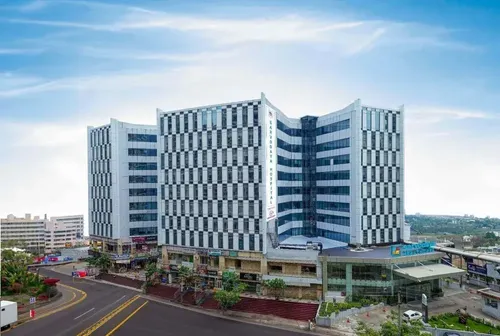
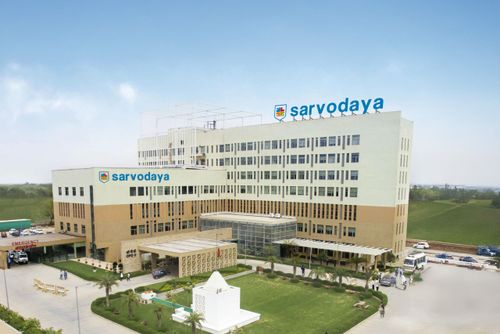
At Sarvodaya Hospital, patients receive comprehensive liver care at our centre supported by the best gastroenterology hospital in India, with experienced hepatologists and advanced treatment facilities.
Liver Failure Symptoms
- Fatigue and weakness
- Loss of appetite and weight loss
- Nausea or vomiting
- Yellowing of skin and eyes (jaundice)
- Swelling of the abdomen (ascites) and legs
- Easy bruising or bleeding
- Confusion, memory problems, or altered consciousness
- Dark urine and pale stools
- Itching of skin
Causes of Liver Failure
- Chronic hepatitis B or C infection
- Excessive alcohol consumption
- Fatty liver disease (NAFLD/NASH)
- Drug-induced liver injury
- Autoimmune liver diseases
- Genetic liver disorders
- Toxin or chemical exposure
Diagnosis of Liver Failure
Accurate diagnosis of liver failure is crucial to evaluate disease severity, identify complications, and guide timely treatment. Early assessment at the best gastro hospital in Delhi helps improve outcomes through precise investigation and stage-specific management.
- Clinical Evaluation: Assessment of symptoms, liver enlargement, fluid accumulation, and mental status.
- Blood Tests: Liver function tests measure enzymes, bilirubin, clotting factors, and protein levels.
- Ultrasound of Abdomen: Detects liver size, texture changes, cirrhosis, and fluid accumulation.
- Fibroscan / CT Scan / MRI: Provides detailed imaging to assess liver structure and complications.
- Liver Biopsy: Confirms diagnosis and extent of liver damage in selected cases.
Treatment Options & Technology for Liver Failure
Treatment of liver failure focuses on stabilising liver function, managing complications, and addressing the underlying cause. Comprehensive Care by a gastroenterologist in Delhi NCR ensures access to advanced therapies, close monitoring, and timely intervention, including transplantation when required.
- Medical Management: Medications to control symptoms, treat infections, manage fluid retention, and correct metabolic abnormalities.
- Nutritional Support: Specialised diets support liver recovery and prevent muscle wasting.
- Treatment of Underlying Cause: Antiviral therapy, alcohol cessation, or immune suppression when indicated.
- Advanced Liver Care: Intensive monitoring and supportive care for acute or decompensated liver failure.
- Liver Transplantation: Considered in end-stage liver failure when the liver can no longer recover.
Prevention & Lifestyle Modifications for Liver Failure
- Avoid Excessive Alcohol Intake: Limiting alcohol helps prevent liver damage and cirrhosis.
- Maintain a Healthy Body Weight: Weight control reduces the risk of fatty liver disease.
- Manage Diabetes and Cholesterol: Proper control lowers stress on the liver and prevents complications.
- Vaccination Against Hepatitis: Protects against viral infections that can cause liver damage.
- Avoid Self-Medication and Toxins: Unsupervised drugs and toxins can severely harm the liver.
- Regular Liver Screening for High-Risk Individuals: Early detection allows timely treatment and better outcomes.
Pre–Post Treatment Lifestyle Modifications for Liver Failure
Pre-Treatment
- Early gastroenterology consultation for symptoms
- Baseline blood tests and imaging
- Nutritional and lifestyle assessment
- Treatment planning with a specialist team
Post-Treatment
- Strict medication adherence
- Regular follow-up blood tests and imaging
- Liver-friendly diet and alcohol avoidance
- Monitoring for complications or recurrence