
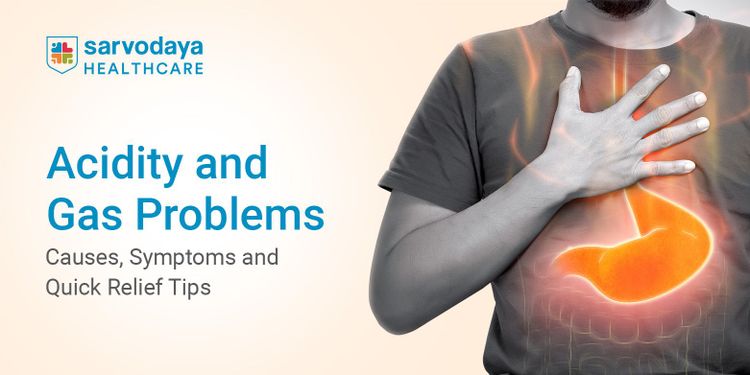


Some of the most common digestive complaints include acidity and gas, which people of all ages can experience. Chest pain accompanied by burning, bloating after meals, or chronic burping may be a serious issue and hamper comfort and productivity in daily life. While occasional symptoms may not be serious, a persistent acidity problem can interfere with sleep, appetite and overall well-being. Understanding what acidity is and how it develops is the first step towards effective management.
In this blog, we explain what stomach acidity is, explore its causes, identify common symptoms, and share practical tips for quick relief.
Understanding What Is Acidity
Acidity refers to a condition in which the stomach produces excess gastric acid. While stomach acid is essential for digestion and breaking down food, excessive production can irritate the inner lining of the stomach and, in some cases, the food pipe.
Many people ask what stomach acidity is and how it differs from normal digestion. Normally, acid remains confined to the stomach. However, when acid levels rise or move upwards towards the oesophagus, this can lead to burning sensations and discomfort. This explains why acidity happens more frequently after heavy meals or when lying down immediately after eating. Persistent irritation of the acidic stomach lining may eventually lead to inflammation if left untreated.
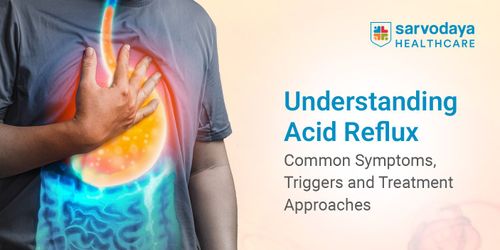
Read More- Understanding Acid Reflux: Common Symptoms, Triggers and Treatment Approaches
Common Causes of Acidity
Several dietary and lifestyle factors can trigger excess acid production. Identifying the causes of acidity is essential for preventing recurrence and managing long-term digestive health. In many individuals, daily habits play a major role in worsening the causes of acidity, especially when meals are irregular or stress levels are high.
The following are common acidity causes that contribute to discomfort:
- Spicy and Oily Foods: Excessively spicy, fried, or fatty meals stimulate increased acid secretion and irritate the stomach lining.
- Irregular Eating Patterns: Skipping meals or eating very late at night are common causes of acidity.
- Overeating: Large portion sizes increase pressure in the stomach, which can lead to acidity after heavy meals.
- Stress and Anxiety: Emotional stress can alter digestive function and is an overlooked reason for acidity in many adults.
- Caffeine and Carbonated Drinks: Coffee, tea and fizzy beverages are known dietary causes of acidity.
- Certain Medications: Painkillers and anti-inflammatory medicines may worsen symptoms of acid reflux in some individuals.
Recognising Symptoms of Acidity and Gas
The symptoms of excess acid are often uncomfortable but manageable with timely care. Early recognition allows appropriate treatment of acidity symptoms before complications develop. A persistent acidity problem should never be ignored, particularly if symptoms are frequent or severe.
Common symptoms include:
- Burning sensation in the chest or upper abdomen
- Sour taste in the mouth
- Bloating and excessive gas
- Frequent burping
- Nausea after meals
- Discomfort in the acidic stomach region
These signs indicate irritation caused by excess acid production. If symptoms recur or interfere with daily life, consultation with the best gastroenterologist in Noida is advisable to determine the exact cause of the acidity and recommend appropriate management.
Read More- Chest Pain Due to Gas: Causes, Symptoms, and Effective Relief
Quick Relief Tips for Acidity Problems
Managing an acidity problem often begins with correcting everyday habits that trigger excess acid production. These steps may also complement prescribed hyperacidity treatment when recommended by a doctor.
The following practical measures can help relieve stomach acidity and discomfort:
- Eat Smaller, Frequent Meals: Large meals increase pressure inside the stomach. Smaller portions reduce strain and help control the acidity caused by overeating.
- Avoid Trigger Foods: Spicy, oily and highly processed foods are common causes of acidity. Limiting them can reduce irritation.
- Remain Upright After Meals: Lying down immediately after eating is a common reason for acidity. Sitting upright for at least 30 minutes helps prevent reflux.
- Stay Hydrated: Drinking enough water supports digestion and helps dilute excess acid.
- Reduce Caffeine and Fizzy Drinks: These beverages are known to cause dietary acidity.
- Manage Stress: Since stress can affect digestion and make acidity more frequent during anxiety, relaxation techniques can be beneficial.
These simple strategies may temporarily ease symptoms. However, repeated episodes require professional evaluation from a gastroenterologist in Delhi NCR and structured hyperacidity treatment for long-term relief.
Prevention Strategies for Long-Term Digestive Health
Preventing recurrence is an essential part of managing an acidity problem. While medications offer relief, sustainable improvement depends largely on lifestyle adjustments.
Preventive measures that reduce the causes of acidity include the following:
- Eat at a Specific Interval: Eating at a regular time helps minimise abrupt acid attacks and is one of the solutions to acidity.
- Eat a Balanced Diet: Add fruits, vegetables, and whole grains with high fibre content, and reduce foods known to cause acidity in the diet.
- Meals at Late Hours: Bedtime should not be too soon after eating, as this may strain the stomach wall.
- Maintain a Healthy Weight: Excess abdominal fat increases the risk of reflux and persistent acidity.
- Reduce Smoking and Alcohol Intake: These practices help reduce irritation and improve the treatment of acid-related symptoms.
- Preventive Consultations: Structured hyperacidity treatment should be supported by early medical advice where necessary.
Conclusion
Digestive issues such as acidity and gas are common issues that can be managed. A clear understanding of acidity, its triggers, and initial symptoms enables timely intervention. Whether symptoms are occasional or frequent, recognising the causes of acidity and adopting preventive strategies is vital for long-term digestive health.
At Sarvodaya Hospital, Faridabad, patients receive comprehensive care from experienced specialists, including access to the best gastroenterologist in Faridabad. As a trusted centre often recognised among the best gastroenterology hospitals in India, Sarvodaya Hospital offers advanced diagnostics, personalised hyperacidity treatment, and preventive consultations that help patients manage recurring acidity problems effectively and safely.
If you experience persistent symptoms or recurrent stomach discomfort, seeking professional evaluation is important. For expert care and peace of mind, book an appointment now and take a proactive step towards better digestive health.