
Overview
Enlarged Liver (Hepatomegaly) is a condition in which the liver becomes swollen or increases in size due to underlying liver disease or systemic health conditions. The liver plays a vital role in digestion, detoxification, metabolism, and nutrient storage, making early diagnosis and treatment extremely important.
An enlarged liver is not a disease itself but usually indicates an underlying problem such as fatty liver disease, hepatitis, infection, alcohol-related liver damage, metabolic disorders, or heart-related conditions. Some individuals may remain symptom-free, while others experience abdominal discomfort, fatigue, nausea, or digestive disturbances.
Timely hepatomegaly (enlarged liver) treatment helps control liver inflammation, prevent complications, and improve overall liver function. Modern gastrointestinal and hepatology care now allows accurate diagnosis and effective treatment through medications, lifestyle management, and advanced liver care approaches.
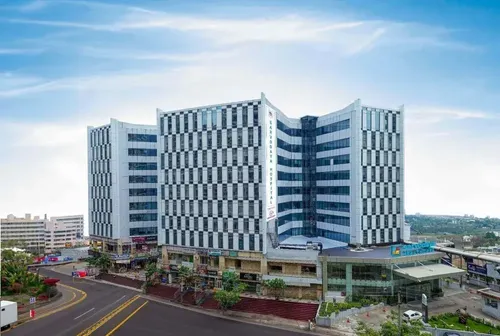
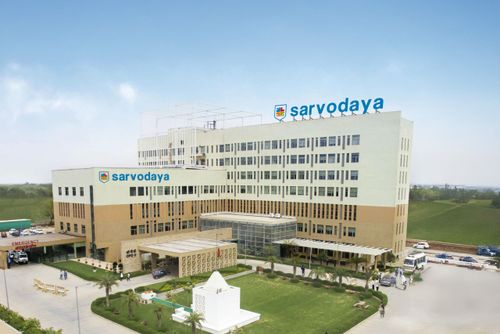
At Sarvodaya Hospital, patients receive specialised care at a trusted centre for Gastroenterology with advanced enlarged liver treatment, supported by experienced gastroenterologists and liver disease management facilities.
Symptoms of Hepatomegaly (Enlarged Liver)
- Abdominal discomfort or fullness
- Pain in the upper right abdomen
- Fatigue and weakness
- Nausea or vomiting
- Loss of appetite
- Bloating sensation
- Jaundice in severe cases
- Unexplained weight loss
Causes of Hepatomegaly (Enlarged Liver)
- Fatty liver disease
- Hepatitis infections
- Excessive alcohol consumption
- Liver cirrhosis
- Metabolic disorders
- Heart-related conditions
- Liver tumours or cysts
- Medication-related liver injury
Diagnosis of Hepatomegaly (Enlarged Liver)
Accurate diagnosis of hepatomegaly (enlarged liver) is essential to identify the underlying liver condition, assess liver function, and plan appropriate treatment before complications affecting overall health develop.
- Clinical Examination: Doctors examine abdominal swelling, liver enlargement, tenderness, jaundice, and associated symptoms to identify signs of liver disease or hepatomegaly-related complications.
- Liver Function Tests: Blood investigations help assess liver enzyme levels, detect inflammation, and evaluate overall liver function and damage severity accurately.
- Ultrasound Examination: Ultrasound imaging helps detect liver enlargement, fatty liver disease, cysts, tumours, or structural abnormalities affecting liver health.
- CT Scan and MRI: Advanced imaging provides a detailed assessment of liver size, tissue changes, blood vessels, and associated complications requiring specialised treatment.
- Viral and Metabolic Tests: Additional laboratory tests help identify hepatitis infection, metabolic disorders, and other underlying causes contributing to enlarged liver development. Patients may consult a gastroenterologist in Delhi NCR for advanced liver evaluation and treatment.
Treatment Options for Hepatomegaly (Enlarged Liver)
Hepatomegaly treatment focuses on managing the underlying cause, reducing liver inflammation, restoring liver function, and preventing long-term liver complications through advanced medical care approaches.
- Medication Therapy: Medicines help treat infections, reduce liver inflammation, manage metabolic disorders, and improve overall liver function depending on the underlying condition.
- Fatty Liver Disease Treatment: Fatty liver disease treatment includes weight management, dietary changes, exercise, and control of diabetes or cholesterol-related liver damage.
- Lifestyle and Dietary Management: Healthy nutrition, alcohol avoidance, hydration, and regular physical activity support liver recovery and reduce ongoing liver stress.
- Management of Underlying Conditions: Treating hepatitis, metabolic disorders, or heart disease helps control liver enlargement and prevent progression to severe liver complications.
- Advanced Hepatology Care: Modern liver care combines advanced imaging, laboratory monitoring, and specialist management for accurate diagnosis and long-term liver health improvement.
Benefits of Advanced Liver Care
Advanced liver care improves hepatomegaly treatment outcomes through early diagnosis, personalised treatment planning, and comprehensive management of liver disease and related complications.
- Early Diagnosis and Monitoring: Timely evaluation helps identify liver disease early and prevents progression to severe liver damage or cirrhosis.
- Advanced Imaging Support: Modern imaging techniques improve accuracy in detecting liver enlargement and associated structural abnormalities affecting liver function.
- Personalised Treatment Plans: Treatment plans are customised according to liver condition severity, lifestyle factors, and underlying medical disorders affecting liver health.
- Comprehensive Specialist Care: Collaboration between gastroenterologists, hepatologists, nutritionists, and medical specialists ensures complete liver disease management and recovery support.
- Improved Long-Term Liver Health: Proper treatment and lifestyle modifications improve liver function, reduce complications, and support better long-term health outcomes, often guided by a gastroenterologist in Delhi NCR.
Prevention & Lifestyle Modifications for Enlarged Liver
Healthy lifestyle habits and regular liver monitoring help reduce the risk of liver enlargement and support long-term liver health after hepatomegaly treatment.
- Avoid Alcohol Consumption: Limiting or avoiding alcohol helps prevent liver inflammation, fatty liver disease, and progressive liver damage affecting liver size and function.
- Maintain Healthy Weight: Weight management reduces fatty liver risk and supports healthy liver metabolism and recovery from liver enlargement.
- Follow a balanced diet: Nutritious low-fat diets rich in fruits, vegetables, and whole grains help support liver function and recovery.
- Exercise Regularly: Regular physical activity improves metabolism, reduces liver fat accumulation, and supports overall digestive and liver health.
- Routine Liver Check-ups: Regular medical follow-up and liver function monitoring help detect liver abnormalities early and prevent serious complications.
Pre–Post Treatment Care
Pre-Treatment
- Liver function assessment
- Imaging and laboratory investigations
- Gastroenterology consultation
- Lifestyle and dietary evaluation
Post-Treatment
- Medication adherence
- Regular liver monitoring
- Healthy diet and exercise
- Routine specialist follow-up