


Bronchoscopy is a common diagnostic and therapeutic procedure that allows clinicians to inspect the airways and lungs in great detail. Many patients look up what a bronchoscopy is when their doctor recommends it, usually after unexplained respiratory symptoms or abnormal scan results. Understanding what a bronchoscopy is, how it works, and what it entails can reduce anxiety and help patients prepare confidently for the exam and its results.
In this blog, we explore the bronchoscopy procedure, its types and uses, and the factors that influence bronchoscopy costs and test prices.
Bronchoscopy Test: Meaning and Overview
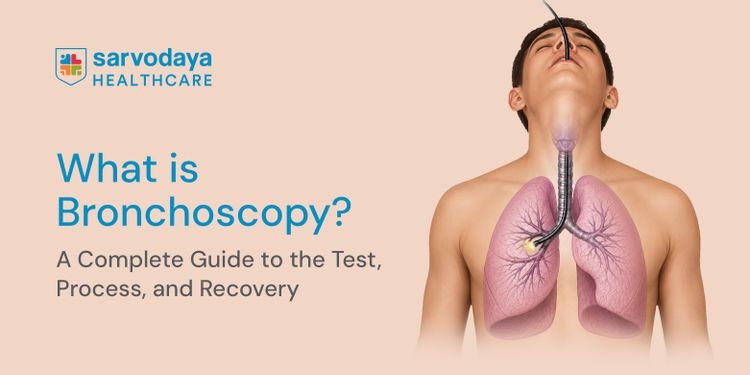
A bronchoscopy test involves inserting a thin, flexible tube containing a small camera, known as a bronchoscope, through the nose or mouth into the airways and lungs. This permits a pulmonologist to see straight into the trachea, bronchi, and surrounding tissue. Bronchoscopy is more than just a visual inspection; it also allows for tissue sampling, fluid collection, and modest therapeutic interventions all in the same session.
Types of Bronchoscopy Tests
Modern pulmonology offers numerous variants of this test, which are chosen based on the patient's condition.
Commonly performed types of bronchoscopy include:
- Flexible Bronchoscopy: The most common approach, using a thin, bendable scope inserted through the nose under local anaesthesia or mild sedation.
- Rigid Bronchoscopy: Performed under general anaesthesia, typically used for removing foreign objects or managing significant airway bleeding.
- Bronchoalveolar Lavage (BAL): A technique where sterile fluid is introduced and withdrawn to collect samples from deeper lung tissue.
- Endobronchial Ultrasound (EBUS) Bronchoscopy: Combines imaging with sampling to evaluate lymph nodes and masses near the airway.
The Reason Why Bronchoscopy is Recommended
Bronchoscopy is recommended by doctors for a variety of respiratory issues that require a more in-depth evaluation than routine imaging can provide.
A bronchoscopy may be necessary for the following common reasons:
- Persistent, unexplained cough lasting several weeks.
- Coughing up blood or unusual respiratory secretions.
- Abnormal findings on a chest X-ray or CT scan.
- Suspected lung infection, tumour, or inflammatory airway disease.
- Removing a foreign object lodged in the airway.
- Evaluating and clearing airway blockages or excess mucus.
Steps Involved in the Bronchoscopy Test
A professional pulmonologist performs the bronchoscopy procedure, which is usually done as a day-care test, with assistance from nursing and anaesthesia staff.
The following are the typical steps in the test:
- Patients are given local anaesthesia to numb the throat, along with mild sedation for comfort.
- The bronchoscope is gently guided through the nose or mouth into the airway.
- A camera at the tip transmits real-time images to a monitor for the specialist to examine.
- Tissue samples, fluid, or foreign material may be collected or removed as needed.
- The entire test generally takes between thirty minutes and one hour, depending on its purpose.
- Patients are monitored briefly in recovery before being discharged the same day in most cases.
Bronchoscopy Cost and Price Considerations
The bronchoscopy test price varies based on the type of bronchoscopy conducted, whether sedation or general anaesthesia is required, and any further diagnostic tests such as biopsies. The final pricing is also influenced by hospital facilities and treatment team expertise.
Patients consulting an experienced pulmonologist in Delhi NCR are advised to speak with their hospital directly for an accurate, personalised cost estimate before proceeding.
Bronchoscopy Side Effects Explained
Most individuals recover quickly, but minor, transitory side effects are typical following the test.
Common bronchoscopy side effects include:
- A sore or scratchy throat lasting a day or two.
- Mild cough or hoarseness of voice.
- Slight fever, typically resolving within twenty-four hours.
- Temporary drowsiness caused by sedation.
These bronchoscopy side effects are usually short-lived and manageable with rest and simple home care.
Bronchoscopy Risks and Safety Measures
While the test is generally safe, patients should be informed of some potential bronchoscopy hazards.
Complications and risks associated with bronchoscopy include:
- Minor bleeding at the biopsy site.
- Infection, particularly in patients with weakened immunity.
- Pneumothorax, a rare collapse of part of the lung.
- Temporary breathing difficulty or reduced oxygen levels during the test.
- Reaction to sedation or anaesthesia in sensitive patients.
Choosing an established hospital with a skilled pulmonologist in Faridabad and proper monitoring significantly reduces the likelihood of these complications.
Recovery After Bronchoscopy
Most people recover quickly and can resume normal activities within a day.
Important stages of the recovery process usually include:
- Patients are monitored for a few hours immediately after the test.
- Eating and drinking are avoided until throat numbness fully wears off, usually within two hours.
- Mild rest is recommended for the remainder of the day.
Any biopsy or test results are reviewed with a renowned pulmonologist in Noida during a scheduled follow-up visit.
Conclusion
Bronchoscopy is still one of the most useful methods accessible to pulmonologists for detecting and treating respiratory diseases.
At Sarvodaya Hospital, Faridabad, our specialists offer comprehensive respiratory care, supported by advanced diagnostic technology and an experienced pulmonology unit. As a trusted pulmonology hospital in Faridabad, we provide accurate bronchoscopy evaluations alongside personalised treatment plans for lung and airway conditions. Preventive consultations with our specialists help detect respiratory issues early, often before symptoms become severe, supporting better long-term lung health.
Whether you are experiencing persistent respiratory symptoms or have been advised to undergo a bronchoscopy, timely consultation makes a meaningful difference to your recovery. Take charge of your respiratory health and book an appointment now.