
Overview
A liver tumour refers to an abnormal growth of cells within the liver, which may be benign (non-cancerous) or malignant (cancerous). Understanding what is liver cancer and liver tumours is important, as the liver plays a vital role in metabolism, detoxification, and digestion. Any disruption in liver function can significantly affect overall health.
Liver tumours may develop silently in early stages and are often detected during routine investigations. When malignant, they are referred to as liver cancer and require prompt medical attention. Early diagnosis and appropriate liver tumor treatment improve survival outcomes and preserve liver function.
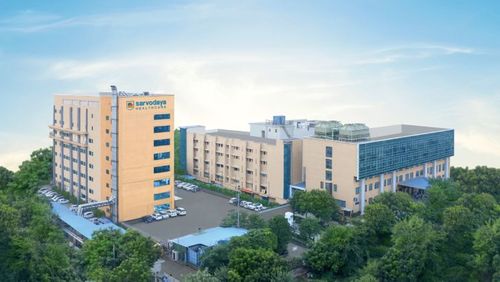
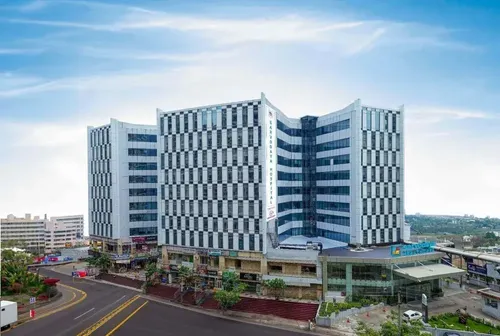
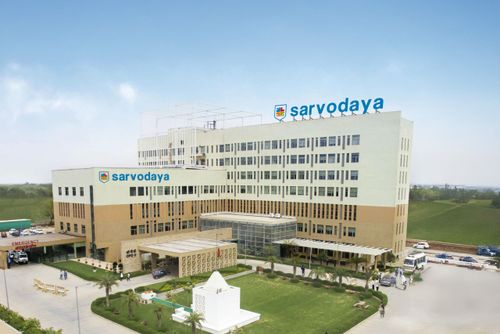
Patients receive advanced liver care at Sarvodaya, the best gastroenterology hospital in India, supported by experienced hepatologists, oncologists, and multidisciplinary teams.
Symptoms of Liver Tumour
- Persistent pain or discomfort in the upper right abdomen
- Unexplained weight loss
- Loss of appetite
- Fatigue and weakness
- Abdominal swelling or fullness
- Yellowing of skin and eyes (jaundice)
- Nausea or vomiting
Causes of Liver Tumour
- Chronic hepatitis B or C infection
- Liver cirrhosis due to alcohol or fatty liver disease
- Long-term alcohol consumption
- Obesity and metabolic disorders
- Exposure to toxins or aflatoxins
- Family history of liver disease
Diagnosis of Liver Tumour
Accurate and early diagnosis of a liver tumour is essential to identify the tumour type, assess disease stage, and plan appropriate treatment. Evaluation at the best gastro hospital in Delhi ensures precise testing, timely detection, and expert management for improved outcomes.
- Clinical Evaluation: Assessment of symptoms, liver size, tenderness, and overall health status.
- Blood Tests: Evaluate liver function and tumour markers such as alpha-fetoprotein (AFP).
- CT Scan / MRI: Advanced imaging to assess tumour size, spread, and vascular involvement.
- Liver Biopsy: Confirms diagnosis and tumour type when imaging findings are inconclusive.
Treatment Options & Technology for Liver Tumour
Treatment of liver tumours depends on the tumour type, stage, and overall liver function. Timely care under our best gastroenterologist in Faridabad ensures access to advanced therapies that improve treatment outcomes and long-term survival.
- Advanced Diagnostic & Interventional Support: Treatment planning and monitoring are supported by high-end technologies, including Endoscopic Ultrasound (EUS), ERCP and advanced endoscopy suites, FibroScan Touch 502 for liver assessment, SpyGlass DS II system for biliary evaluation, and high-resolution imaging with 3T MRI and CT scans.
- Surgical Resection: Removal of the tumour when liver function is adequate, and the cancer is localised.
- Liver Transplantation: Recommended in selected patients with early-stage liver cancer and underlying cirrhosis.
- Ablation Therapies: Techniques such as radiofrequency or microwave ablation destroy tumour tissue.
- Targeted Therapy & Immunotherapy: Advanced drug treatments targeting cancer growth pathways.
- Chemotherapy: Used to control tumour growth or reduce size before surgery.
Prevention & Early Detection of Liver Tumour
- Vaccination Against Hepatitis B: Helps prevent chronic liver infection and reduces cancer risk.
- Early Treatment of Hepatitis Infections: Timely management prevents long-term liver damage.
- Avoid Excessive Alcohol Consumption: Reduces the risk of cirrhosis and liver cancer.
- Maintain a Healthy Body Weight: Lowers the chances of fatty liver disease and related complications.
- Regular Liver Screening for High-Risk Individuals: Enables early tumour detection and timely treatment.
- Routine Health Check-Ups: Support early diagnosis and continuous liver health monitoring.
Pre–Post Treatment Lifestyle Modifications for Liver Tumour
Pre-Treatment
- Early gastroenterology consultation
- Baseline imaging and liver function tests
- Nutritional assessment and counselling
- Treatment planning with multidisciplinary team
Post-Treatment
- Strict adherence to prescribed treatment
- Regular follow-up imaging and blood tests
- Liver-friendly diet and alcohol avoidance
- Monitoring for recurrence or complications