
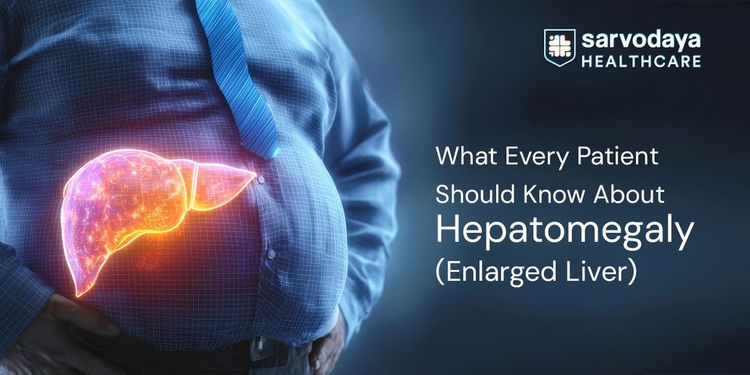


Discovering that a routine check-up or scan has revealed an enlarged liver can naturally raise concern. The liver is one of the body's most important organs, filtering toxins, assisting digestion, and regulating critical proteins. When this organ swells beyond its normal size, it usually indicates that something else needs attention. Patients who have a good understanding of their disease can approach diagnosis and treatment more confidently.
In this blog, we explore the hepatomegaly meaning and look at how hepatomegaly disease is identified, along with its causes, symptoms, diagnosis, and treatment options available.
Understanding Hepatomegaly
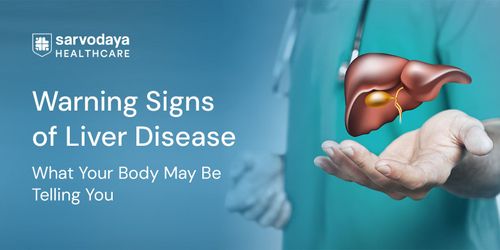
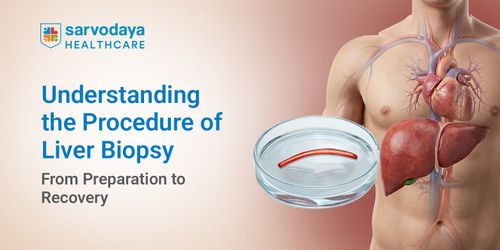
To understand the hepatomegaly meaning, it helps to know that the liver sits beneath the right rib cage and carries out essential functions such as detoxification, bile production, and metabolism of nutrients. Hepatomegaly is an abnormal expansion of the liver that exceeds the usual size for a person's age and build.
Hepatomegaly disease is viewed by specialists as a clinical symptom of an underlying issue rather than a separate disorder.
Causes of Hepatomegaly
An enlarged liver can develop as a result of a variety of underlying illnesses, some of which are transient and others that require long-term treatment.
The common causes of hepatomegaly include:
- Liver Infections: Viral hepatitis, bacterial infections, and parasitic infestations can cause the liver to swell as it fights infection.
- Fatty Liver Disease: Excess fat accumulation within liver cells, often linked to obesity or diabetes, is a frequent contributor.
- Alcohol-Related Damage: Prolonged, excessive alcohol consumption can inflame and enlarge the liver over time.
- Metabolic and Genetic Disorders: Conditions such as Wilson's disease and haemochromatosis affect how the body processes copper and iron.
- Cardiac and Vascular Issues: Heart failure and blocked blood vessels can cause blood to back up into the liver.
- Tumours and Cysts: Both benign and malignant growths within liver tissue can contribute to enlargement.
Recognising the Symptoms of Hepatomegaly
While mild cases may cause minimal discomfort, more severe enlargement frequently exhibits identifiable warning symptoms.
Common liver hepatomegaly symptoms to look out for include:
- Abdominal Discomfort or Fullness: A persistent pressure beneath the right rib cage is often one of the earliest indicators.
- Loss of Appetite: Many patients notice reduced hunger, which can lead to unintentional weight loss.
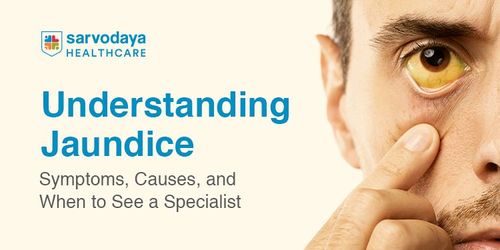
- Jaundice: Yellowing of the skin and eyes may occur when liver function is significantly impaired.
- Fatigue and Weakness: Persistent tiredness is common, as the liver struggles with its metabolic functions.
- Nausea and Digestive Disturbances: Bloating, indigestion, and occasional vomiting can accompany enlargement.
- Swelling in the Abdomen or Legs: Fluid retention may develop in more advanced stages.
Patients seeking expert advice frequently turn to the top gastroenterologist in Faridabad for reliable, specialised care.
Diagnostic Approaches for Hepatomegaly
An accurate diagnosis is required to identify the underlying cause of liver enlargement and suggest the appropriate treatment regimen. Specialists use a combination of clinical assessment and advanced studies.
The diagnostic process usually involves the following steps:
- Physical Examination: A doctor palpates the abdomen to assess the size and tenderness of the liver.
- Blood Tests: Liver function tests evaluate enzyme levels, bilirubin, and markers of infection.
- Imaging Studies: Ultrasound, CT scans, or MRI provide detailed images of the liver's size, structure, and any abnormal growths.
- Liver Biopsy: In certain cases, a small tissue sample confirms the nature of the underlying disease.
Consulting an experienced gastroenterologist in Delhi NCR ensures that these investigations are completed efficiently and that the results are correctly interpreted to guide future care.
Hepatomegaly Treatment Options
Once the underlying reason has been discovered, clinicians create a personalised hepatomegaly treatment plan based on the patient's needs. The approach differs according to whether the enlargement is caused by an infection, a metabolic imbalance, or a structural abnormality.
Effective hepatomegaly treatments may include the following approaches:
- Medication: Antiviral drugs, antibiotics, or anti-inflammatory medicines are prescribed depending on the identified infection or disease.
- Lifestyle Modifications: Weight management, dietary changes, and abstaining from alcohol help reduce liver strain.
- Management of Underlying Conditions: Treating diabetes, heart failure, or metabolic disorders addresses the root cause.
- Surgical Intervention: Tumours, cysts, or blockages may require surgical removal or drainage to relieve pressure.
- Robotic-Assisted Surgery: For complex liver tumours, cysts, or bile duct blockages, robotic-assisted resection offers greater precision, minimal blood loss, and faster recovery than conventional surgery.
- Regular Monitoring: Ongoing follow-up appointments help track liver function and adjust treatment as required.
Conclusion
Hepatomegaly, while frequently a symptom of an underlying illness, is a manageable condition if detected and treated early. With proper care and diligent follow-up, most patients can recover good liver function and live active lives because of advancements in diagnostic technologies and treatment methods.
Sarvodaya Hospital, Faridabad, stands as the most trusted gastroenterology hospital in Delhi NCR, offering advanced diagnostic facilities, a skilled team of specialists, and a patient-centred approach to liver care. From accurate diagnosis to personalised treatment planning, the hospital ensures every patient receives comprehensive support throughout recovery. The hospital's Institute of Robotic Surgery also offers advanced robotic-assisted liver and biliary procedures, ensuring greater precision, minimal scarring, and quicker recovery for patients requiring surgical intervention.
If you or a loved one is experiencing symptoms of liver enlargement, timely medical advice can make a significant difference to long-term health outcomes. Do not delay seeking expert care; book an appointment now with Sarvodaya Hospital's gastroenterology team and take a confident step towards better liver health.