
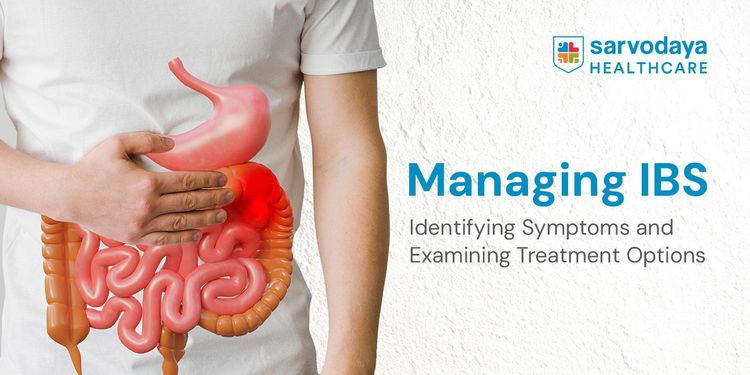


Irritable bowel syndrome, a common gastrointestinal disorder that affects the large intestine, greatly affects the quality of life of the individual suffering from it. Often called a functional bowel disorder, this condition results in stomach discomfort, abnormal bowel habits, and chronic discomfort but does not cause visible harm to the digestive tract. Knowing the characteristics of IBS is crucial for prompt diagnosis and efficient treatment, especially as symptoms can differ from person to person.
In this blog, we explore what is IBS, its symptoms, causes, diagnosis, and the available IBS (Irritable bowel syndrome) treatment options.
Understanding IBS
The IBS full form is irritable bowel syndrome, and it is widely recognised as a long-term condition requiring ongoing management. IBS is a chronic illness that affects how the digestive system works, especially the large intestine. Instead of having a single, distinct cause, it is characterised by a group of symptoms that coexist. The IBS meaning lies in its nature as a syndrome, indicating a collection of symptoms rather than a disease with a clearly defined structural abnormality.
IBS can cause significant discomfort and interfere with everyday activities, although it does not lead to major complications like cancer. Irritable bowel syndrome symptoms include bloating, abnormal bowel habits, and recurrent stomach pain. These symptoms can be brought on by things like nutrition, stress, or hormonal changes, and they frequently change over time.
Common Symptoms of IBS
IBS symptoms might vary from person to person and may come and go over time. While some individuals find that their everyday activities are significantly impacted by ongoing digestive problems, others may feel just a mild discomfort.
The most commonly reported symptoms of irritable bowel syndrome include:
- Cramping or pain in the abdomen that usually goes away after passing stool
- Excessive gas and bloating
- Constipation, diarrhoea, or a combination of both
- Changes in the frequency and appearance of bowel movements
- A feeling of incomplete bowel evacuation
- Mucus in the stool
It is highly advised to see a qualified gastroenterologist in Faridabad for proper evaluation and guidance if symptoms continue.
Causes of Irritable Bowel Syndrome
Although the exact cause of irritable bowel syndrome is still unknown, a combination of factors influencing the relationship between the gut and the brain is believed to contribute to it.
There are several key causes associated with the IBS disease, such as:
- Abnormal intestinal muscle contractions that cause constipation or diarrhoea
- Heightened pain perception due to increased sensitivity of the gut nerves
- Gut-brain interaction issues affect the communication between the brain and intestines
- Food sensitivities or intolerances, especially to gluten, dairy, or high-fat foods
- Emotional disturbances and stress can worsen IBS symptoms.
- Previous gastrointestinal infections, which could lead to long-term digestive problems
Diagnosing IBS
Medical practitioners use a combination of symptom assessment and clinical evaluation to rule out other gastrointestinal illnesses. To identify typical IBS symptoms, such as recurrent stomach pain and disturbed bowel patterns, doctors start by going over the patient's medical history.
To rule out other illnesses such as infections, inflammatory bowel disease, or coeliac disease, further tests like blood tests, stool analyses, or imaging scans may be advised. Visiting a knowledgeable gastroenterologist in Noida guarantees precise assessment and personalised treatment.
Treatment Options for IBS
Medical treatments, dietary changes, and lifestyle modifications are all part of the management of irritable bowel syndrome. Because symptoms differ from person to person, IBS treatment is usually customised to target particular issues and enhance the general digestive health. Effective treatment for irritable bowel syndrome can greatly lessen the frequency and intensity of symptoms, even if there is no single cure.
The main methods for treating IBS include:
- Medications that treat certain symptoms, like constipation, diarrhoea, or stomach pain
- Antispasmodic medications to lessen spasms of the intestinal muscles
- Probiotics to promote the growth of healthy gut bacteria
- Psychological treatments, such as counselling and stress reduction
- Dietary adjustments with a structured, organised IBS diet plan
IBS Diet Plan and Lifestyle Changes
Adopting a systematic and personalised strategy is crucial because dietary triggers may differ from person to person. A well-balanced IBS diet plan can help regulate bowel movements, reduce discomfort, and improve overall digestive health.
A carefully thought-out IBS diet plan usually includes the following recommendations:
- Consume more soluble fibre foods like carrots, bananas, and oats.
- Avoid trigger foods such as high-fat meals, caffeine, and spicy items.
- If you have lactose intolerance, limit dairy products.
- To reduce digestive strain, eat smaller meals more frequently.
- Drink plenty of water to promote bowel function.
- Consider a low FODMAP diet under medical supervision.
IBS symptoms can also be reduced considerably by lifestyle changes like consistent sleep schedules, frequent exercise, and stress management.
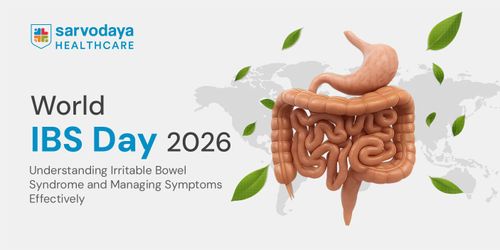
Read More- World IBS Day 2026: Understanding Irritable Bowel Syndrome and Managing Symptoms Effectively
Conclusion
Irritable bowel syndrome is a common but manageable condition that requires a combination of medical care, nutritional awareness, and lifestyle modifications. Patients with irritable bowel syndrome can maintain long-term digestive health and greatly enhance their quality of life with the right approach to irritable bowel syndrome treatment.
The top gastroenterology hospital in Delhi NCR, Sarvodaya Hospital in Faridabad, provides complete care for patients with IBS by giving them access to skilled doctors and cutting-edge diagnostic tools. The most trusted gastroenterologists in Delhi NCR at Sarvodaya provide customised treatment plans to patients to meet their unique needs. Through professional advice, preventive consultations also improve long-term health by helping identify triggers early.
Timely medical advice is crucial if you are suffering recurrent symptoms of irritable bowel syndrome or persistent digestive discomfort. Book an appointment now to start your journey towards improved digestive health.