
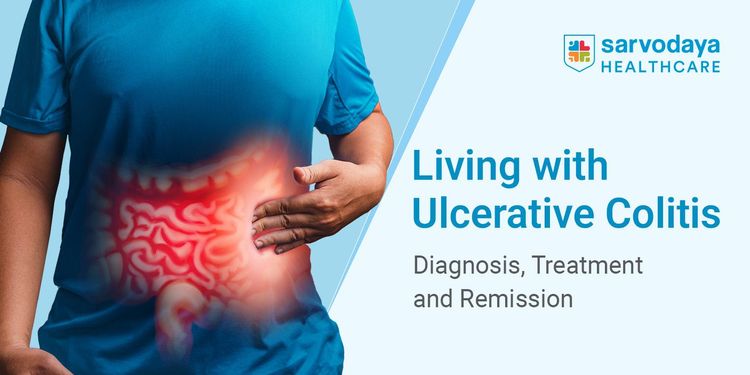


Ulcerative colitis is a chronic digestive condition that causes ongoing inflammation in the large intestine, leading to discomfort, fatigue, and disruption of daily life. As a long-term form of inflammatory bowel disease, it can affect physical health as well as emotional well-being if left unmanaged.
In this blog, we explain what is ulcerative colitis, its nature, and why medical attention matters.
Exploring Ulcerative Colitis
Ulcerative colitis is a chronic inflammatory condition that affects the inner lining of the large intestine and rectum. It causes continuous inflammation and ulcers in the colon, leading to symptoms such as diarrhoea, bleeding, and abdominal discomfort. Unlike temporary digestive issues, this condition follows a relapsing and remitting course, meaning symptoms may flare up and subside over time.
While the exact cause is not fully understood, it is believed to result from an abnormal immune response that mistakenly attacks healthy intestinal tissue. This immune dysfunction, combined with genetic and environmental factors, leads to chronic inflammation and long-term digestive distress. Ulcerative colitis can affect individuals of all ages, though it is commonly diagnosed in young adults and middle-aged people.
Read More- Constipation in Cold Weather: What It Is, Why It Happens, and How to Manage It
Ulcerative Colitis Symptoms
The severity and frequency of ulcerative colitis symptoms can vary from person to person. Some individuals experience mild discomfort, while others may face frequent flare-ups that interfere with daily activities. Symptoms often develop gradually but may worsen over time if left untreated.
Commonly reported ulcerative colitis symptoms include:
- Persistent diarrhoea, often with blood or mucus
- Abdominal pain and cramping
- Urgency to pass stools and difficulty controlling bowel movements
- Fatigue, weakness, and unintended weight loss
- Reduced appetite and dehydration
In some cases, inflammation may also affect areas outside the digestive tract, leading to joint pain, skin irritation, or eye discomfort.
Causes of Ulcerative Colitis and Risk Factors
The exact causes of ulcerative colitis are not fully understood, but the condition is believed to result from an abnormal immune response. Instead of protecting the body, the immune system mistakenly attacks the colon’s lining, triggering ongoing inflammation.
Several factors may increase the risk of developing the condition:
- Genetic predisposition or family history of inflammatory bowel disease
- Immune system imbalance
- Environmental triggers such as infections
- Lifestyle factors, including high stress levels
Although stress does not directly cause the condition, it can worsen symptoms and trigger flare-ups.
Read More- Left vs. Right Side Stomach Pain: Causes, Symptoms and When to See a Doctor
Diagnosis of Ulcerative Colitis
Accurate diagnosis is essential to confirm the condition, assess severity, and rule out other digestive disorders. Doctors evaluate symptoms, medical history, and test results before confirming a diagnosis of ulcerative colitis and planning treatment.
Ulcerative colitis is commonly diagnosed using:
- Blood tests to check for inflammation, anaemia, and infection
- Stool tests to rule out bacterial or parasitic causes
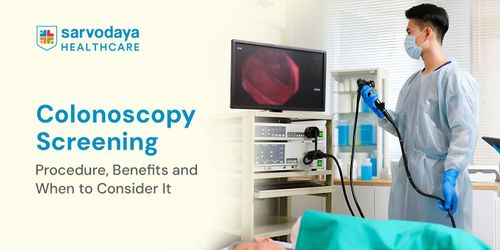
- Colonoscopy or sigmoidoscopy to examine the colon lining
- Biopsy of colon tissue to confirm the ulcerative colitis definition
Consulting an experienced gastroenterologist in Delhi NCR ensures timely diagnosis and appropriate treatment planning, reducing the risk of disease progression and complications.
Ulcerative Colitis Treatment Options
The goal of ulcerative colitis treatment is to reduce inflammation, relieve symptoms, and achieve long-term remission. Treatment plans are personalised based on disease severity, response to medication, and overall health.
Common ulcerative colitis treatment approaches include:
- Anti-inflammatory medications to control bowel inflammation
- Immunosuppressive drugs to regulate the immune response
- Biologic therapies for moderate to severe cases
- Hospital-based care during severe flare-ups
Advanced treatment facilities at the best gastroenterology hospital in India provide specialised care, modern therapies, and long-term disease management under expert supervision.
Read More- Understanding Acid Reflux: Common Symptoms, Triggers and Treatment Approaches
Ulcerative Colitis Diet and Lifestyle Management
Diet and daily habits play an essential role in managing symptoms and supporting medical treatment. While there is no single diet that works for everyone, an appropriate ulcerative colitis diet can help reduce flare-ups and improve digestive comfort.
Dietary and lifestyle considerations include:
- Avoiding spicy, fatty, and high-fibre foods during active symptoms
- Limiting caffeine, alcohol, and processed foods
- Eating smaller, more frequent meals
- Staying well hydrated to prevent dehydration
- Managing stress through relaxation techniques and regular sleep
A personalised ulcerative colitis diet plan, guided by a specialist, helps patients maintain nutrition while minimising symptom triggers.
Ulcerative Colitis Remission
Remission is a phase in which symptoms are minimal or absent, allowing individuals to lead a more normal life. Achieving and maintaining ulcerative colitis remission is the primary goal of long-term treatment.
Key aspects of ulcerative colitis remission include:
- Reduced or no bowel inflammation on examination
- Absence of frequent diarrhoea or rectal bleeding
- Improved energy levels and digestion
- Continued medication adherence to prevent relapse
Although ulcerative colitis cannot be permanently cured, sustained remission is achievable with consistent treatment, regular monitoring, and lifestyle adjustments.
Read More- Stomach Ulcers: Causes, Symptoms, and Treatment Options Explained
Conclusion
Ulcerative colitis is a chronic condition that requires early diagnosis, consistent treatment, and long-term lifestyle management. With structured care, many individuals can achieve and maintain remission from Ulcerative colitis.
Sarvodaya Hospital, Faridabad, the best gastro hospital in Delhi NCR, offers advanced gastroenterology care for patients living with ulcerative colitis. With access to the best gastroenterologist in Faridabad, experienced specialists, modern diagnostic facilities, and personalised treatment plans, the hospital supports effective disease management at every stage.
To take the next step towards better digestive wellbeing, book an appointment now and consult a specialist for personalised care and guidance.