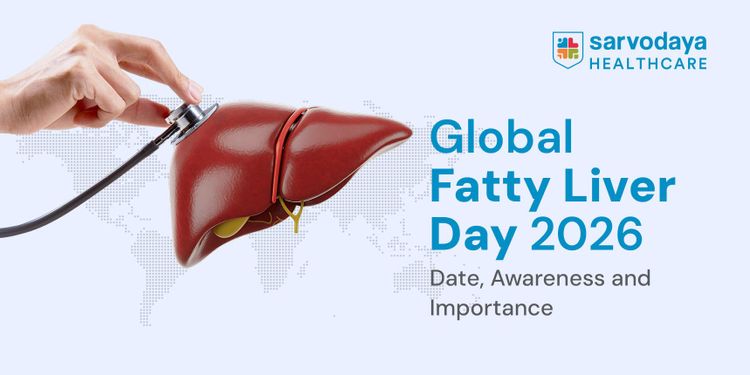


Fatty liver disease has become one of the most common liver concerns today, yet many people only discover it during a routine ultrasound or blood test. This silent nature is exactly why Global Fatty Liver Day 2026 becomes important.
Global Fatty Liver Day is observed every year to raise awareness about fatty liver disease, its risk factors, early diagnosis and timely treatment. In 2026, Global Fatty Liver Day will be observed on June 11.
For many people, fatty liver does not cause clear symptoms in the beginning. However, when ignored for years, it may progress to liver inflammation, scarring, cirrhosis, liver cancer or even liver failure. The good news is that early fatty liver can often be managed and improved with the right medical guidance and lifestyle changes.
In this Global Fatty Liver Day guide, you will understand what fatty liver disease is, why it is increasing, warning signs to watch for, how it is diagnosed, and when you should consult a liver specialist.
What is Global Fatty Liver Day?
Global Fatty Liver Day is an international awareness campaign focused on improving understanding around fatty liver disease. It brings together patients, doctors, researchers, healthcare organisations and communities to spread awareness about early detection and liver health.
The day was earlier known as International NASH Day and began as a campaign to highlight the seriousness of advanced fatty liver disease. Over time, the awareness movement expanded to include the full spectrum of fatty liver conditions.
Global Fatty Liver Day focuses on:
- Improving public awareness about fatty liver disease
- Encouraging early diagnosis in high-risk individuals
- Helping people understand liver-related complications
- Reducing myths around fatty liver and obesity
- Promoting better lifestyle and metabolic health
- Supporting patients living with chronic liver disease
The message is simple: fatty liver should not be ignored just because it is common. As part of World Liver Health Awareness, the day reminds people that liver problems often begin silently but can be controlled better when detected early.
Read More- Lifestyle Tips That People With Fatty Liver Condition Must Consider
Global Fatty Liver Day 2026 Date and Campaign Focus
Global Fatty Liver Day 2026 will be observed on Thursday, June 11. The day is marked every year on the second Thursday of June.
The campaign focus remains centred on awareness, early action and better care pathways for fatty liver disease. This matters because fatty liver is often silent in the early stages, and many people do not realise they are at risk until the liver has already started showing signs of damage.
The 2026 awareness message is especially relevant for India, where changing food habits, sedentary routines, obesity, diabetes and high cholesterol are making fatty liver increasingly common among adults and even younger people.
Understanding the day also begins with understanding the condition itself and the importance of Liver Health Awareness in daily life.
Read More- Fatty Liver: Symptoms, Causes & Effective Treatment Options
What is Fatty Liver Disease?
Fatty liver disease means there is excess fat stored inside the liver cells. A small amount of fat in the liver may not cause immediate harm, but when fat builds up beyond a healthy level, it can affect liver function.
Today, doctors commonly use the term Metabolic Dysfunction-Associated Steatotic Liver Disease, or MASLD, for fatty liver linked with metabolic risk factors such as diabetes, obesity, high cholesterol, high blood pressure or insulin resistance.
Fatty liver disease may be related to:
- Metabolic problems such as diabetes, obesity and high cholesterol
- Alcohol consumption
- A combination of alcohol and metabolic risk factors
- Certain medicines or other health conditions
In simple words, fatty liver is not always caused by alcohol. Many people who do not drink alcohol can also develop fatty liver because of metabolic changes in the body.
Why is Fatty Liver Disease Increasing?
Fatty liver disease is increasing because our daily lifestyle has changed faster than our body’s ability to handle it. Long sitting hours, high-calorie food, sugary drinks, poor sleep, stress and reduced physical activity all contribute to metabolic imbalance.
Common risk factors include:
- Being overweight or having excess belly fat
- Type 2 diabetes or prediabetes
- High cholesterol or high triglycerides
- High blood pressure
- Polycystic ovary syndrome
- Poor diet rich in sugar and refined carbohydrates
- Low physical activity
- Regular alcohol intake
- Family history of metabolic diseases
These are some of the most common fatty liver causes, especially when metabolic health is not managed on time. One important connection doctors often explain is obesity and fatty liver, because excess belly fat can increase insulin resistance and liver fat build-up.
This is why relying only on body weight can be misleading. Regular health checks become important, especially when risk factors are already present.
Common Symptoms of Fatty Liver Disease
Fatty liver disease is often called silent because many people do not experience obvious symptoms in the early stage. In several cases, it is found accidentally during routine blood tests or abdominal ultrasound.
Possible symptoms may include:
- Tiredness that does not have a clear reason
- Heaviness or discomfort in the upper right abdomen
- Bloating or indigestion-like discomfort
- Unexplained weakness
- Mild nausea or reduced appetite
- Increased belly fat or weight gain
- Abnormal liver function test reports
These may be considered early signs of fatty liver, although many patients may not notice any symptoms at all. This is why people with diabetes, obesity, high cholesterol or abnormal liver reports should not wait for discomfort before seeking medical advice.
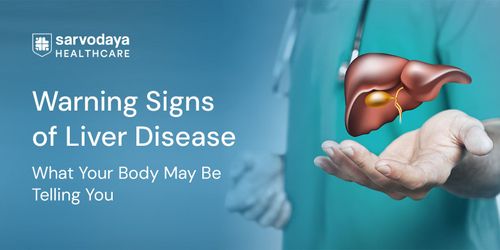
Warning signs of advanced liver disease include:
- Yellowing of the eyes or skin
- Swelling in the abdomen or legs
- Easy bruising or bleeding
- Persistent vomiting
- Severe weakness
- Confusion or excessive sleepiness
- Unexplained weight loss
These signs need urgent medical attention. Waiting for symptoms to become severe is exactly how the liver, being the dramatic silent worker that it is, surprises people at the worst possible time.
Stages of Fatty Liver Disease
Fatty liver disease does not progress in the same way for everyone. Some people may have simple fat accumulation for years, while others may develop inflammation and scarring more quickly.
The common stages include:
Simple Fatty Liver
At this stage, fat is present in the liver, but there may be little or no inflammation. This stage is often manageable with timely lifestyle changes and medical advice.
Liver Inflammation
When fat starts irritating liver cells, inflammation may develop. This stage is more concerning because ongoing inflammation can damage liver tissue.
Fibrosis
Fibrosis means scarring has started in the liver. The liver can still function, but the damage needs careful medical monitoring.
Cirrhosis
Cirrhosis is advanced scarring of the liver. At this stage, normal liver tissue is replaced by scar tissue, which can seriously affect liver function.
Liver Cancer or Liver Failure
In advanced cases, long-term fatty liver disease can increase the risk of liver cancer or liver failure. This is why early detection matters.
How is Fatty Liver Disease Diagnosed?
Fatty liver diagnosis usually begins with medical history, physical examination and basic investigations. Doctors also check for risk factors such as diabetes, obesity, high cholesterol, alcohol use and family history.
Common tests may include:
- Liver function tests to check liver enzymes
- Blood sugar and HbA1c tests for diabetes risk
- Lipid profile to check cholesterol and triglycerides
- Ultrasound of the abdomen to detect fat in the liver
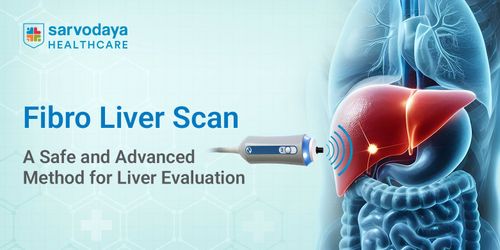
- Fibrosis assessment to check liver scarring risk
- Viral hepatitis tests when required
- Further imaging or specialist tests in selected cases
Not every patient needs every test. The investigation plan depends on symptoms, risk factors, liver enzyme levels and ultrasound findings.
In many people, the most important question is not just “Do I have fatty liver?” but “Has it started causing liver damage?” That is where specialist assessment becomes important for understanding Liver Function and Health.
Can Fatty Liver Be Reversed?
In many early cases, fatty liver can improve significantly with the right approach. The liver has a strong ability to recover when the cause is addressed early.
What helps manage fatty liver:
- Losing weight gradually, if overweight
- Reducing sugar, refined flour and packaged foods
- Eating more vegetables, whole grains and protein-rich foods
- Staying physically active on most days
- Managing diabetes, cholesterol and blood pressure
- Avoiding alcohol or reducing it as advised
- Improving sleep quality and daily routine
- Taking medicines only under medical supervision
- Following regular liver check-ups
This is where fatty liver reversal becomes possible for many patients, especially when the condition is detected before advanced scarring. However, reversal does not happen through crash diets, random supplements or “liver detox” products.
When Should You See a Doctor for Fatty Liver?
You should consult a gastroenterologist or liver specialist if fatty liver is found on ultrasound or if your liver function tests are abnormal. Even if you feel completely fine, evaluation is important because symptoms may not appear early.
See a doctor if:
- Your ultrasound report mentions fatty liver
- Your liver enzymes are repeatedly high
- You have diabetes, obesity or high cholesterol
- You have unexplained tiredness or abdominal heaviness
- You drink alcohol regularly
- You have a family history of liver disease
- You have swelling in the abdomen or legs
- You notice yellow eyes, dark urine or easy bruising
People with diabetes, obesity or high cholesterol should be especially careful. Fatty liver in these groups may progress faster and needs regular monitoring.
Fatty Liver Care at Sarvodaya Hospital
Global Fatty Liver Day 2026 is a reminder that liver health should not be taken lightly. At Sarvodaya Hospital, patients with fatty liver symptoms, abnormal liver tests or ultrasound findings receive structured evaluation and care through experienced specialists.
Sarvodaya’s approach focuses on identifying the cause, assessing the stage and creating a personalised management plan.
What Sarvodaya offers for fatty liver care:
- Detailed consultation for fatty liver and liver-related symptoms
- Liver function tests and metabolic health evaluation
- Ultrasound and advanced diagnostic support when required
- Assessment of diabetes, cholesterol, obesity and related risks
- Specialist guidance for lifestyle, diet and long-term liver health
- Care coordination across gastroenterology, internal medicine, endocrinology and nutrition support
- Monitoring for liver inflammation, fibrosis and advanced liver disease
The aim is not only to detect fatty liver but also to prevent it from progressing. With timely care, many patients can protect their liver health and improve overall metabolic well-being.
If you have been told you have fatty liver, do not ignore the report. A consultation with the right specialist can help you understand your liver stage, risk factors and next steps clearly.