


Fever, cough, sore throat, body ache, and unusual tiredness can look like a routine seasonal infection. But these symptoms can also point to H1N1 influenza, commonly known as swine flu. The same virus that made headlines during the 2009 swine flu pandemic is now one of the strains that causes seasonal influenza.
This matters because H1N1 cases are rising across Delhi-NCR during the current monsoon season. Delhi has reported more than 1,300 cases this season, while hospitals in neighbouring areas are also seeing more people with flu-like illness. The monsoon can also help respiratory infections spread more easily because of the humidity.
Most people with H1N1 recover without serious complications. However, the infection can become severe in some people, particularly those who have a higher risk of complications.
In this blog, we will explain what H1N1 is, how it spreads, which symptoms are common, which symptoms need medical attention, how doctors diagnose and treat the infection, and what you can do to protect yourself and your family. Knowing these signs can also help you recognise when someone around you may need timely medical care instead of simply waiting for the symptoms to settle.
What Is H1N1? Understanding the Virus Behind Swine Flu
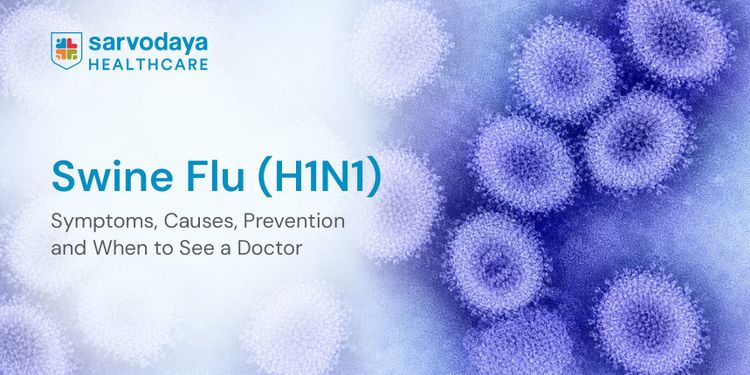
H1N1 is a type of Influenza A virus. It can initially look like an ordinary flu, causing fever, cough, sore throat, headache, body ache and tiredness. In some people, however, the infection can become more serious and affect the lower respiratory tract, making breathing difficult.
Why is it called H1N1?
The name comes from two proteins found on the surface of the virus:
- H stands for hemagglutinin (HA): This protein helps the virus attach to cells lining the respiratory tract and enter them.
- N stands for neuraminidase (NA): After the virus uses an infected cell to make new virus particles, this protein helps those particles leave the cell and spread to other cells.
So, the virus does not simply enter the body and start multiplying on its own. It first has to attach to a suitable cell, enter it, use the cell's machinery to make copies of itself, and then release those new virus particles so they can continue the infection.
Where did H1N1 come from?
The H1N1 virus that caused the 2009 pandemic had an unusual genetic history. Its genetic material contained pieces from influenza viruses that had circulated in pigs, birds, and humans.
But how can viruses from different animals contribute to one new virus?
Influenza A carries its genetic instructions in eight separate segments. You can think of these as eight individual pieces of an instruction set that together allow the virus to function and make new copies of itself.
Sometimes, a host such as a pig can become infected with more than one influenza virus at the same time. When these viruses enter the same cell, their genetic segments can get mixed while new viruses are being assembled. A new virus can therefore end up carrying some segments from one influenza virus and others from another.
Scientists call this process reassortment.
The H1N1 virus that emerged in 2009 had a combination of genetic material that had developed through several such exchanges among influenza viruses associated with pigs and other animals. At some point, the resulting virus acquired the ability to infect and spread efficiently between humans.
This is why the story did not end with animals. Once H1N1 adapted to spread from person to person, humans became its new route of transmission.
Can H1N1 spread from one person to another?
Yes, in fact, it is highly contagious.
The H1N1 strain that caused the 2009 pandemic spread efficiently between people, mainly through respiratory droplets released when an infected person coughs, sneezes, breathes or talks. The virus can enter another person's body when they breathe in these particles or touch their eyes, nose or mouth after contact with contaminated surfaces.
This is also why H1N1 is no longer simply a "swine disease." The 2009 pandemic strain became one of the influenza strains that continues to circulate as seasonal flu in humans.
Does having H1N1 always mean severe illness?
No. Most people recover from influenza without serious complications. However, some people have a higher risk of developing severe illness, including young children, older adults, pregnant women, and people with certain chronic medical conditions or weakened immunity.
The important point is not to assume that every fever or cough is H1N1, but also not to dismiss persistent or worsening symptoms as an ordinary seasonal infection. Knowing what to watch for helps you seek medical care at the right time.
What Are the Symptoms of H1N1? How Does the Infection Progress?
H1N1 usually does not give you one symptom that immediately identifies it. The early symptoms can look very similar to a common cold or other respiratory infections. The difference is often in how suddenly the illness begins and how strongly it affects the body.
Step 1: The Early Phase | It Can Look Like a Common Cold
H1N1 symptoms usually begin 1 to 4 days after exposure to the virus. Unlike a typical cold, which often develops gradually, influenza can make you feel unwell quite suddenly.
You may develop:
- Fever or chills
- Dry cough
- Sore throat
- Runny or blocked nose
- Headache
- Muscle and body aches
- Tiredness and weakness
You may not experience every symptom, and fever does not occur in everyone.
Step 2: As the Illness Progresses | More Than a Simple Cold
As the infection progresses, the symptoms can become more intense. The fever, body aches and fatigue may become difficult to ignore, while the cough and throat symptoms may continue.
Some people, especially children, may also develop:
- Nausea
- Vomiting
- Diarrhoea
- Reduced appetite
These digestive symptoms can occur with influenza, but they are more common in children than adults. They do not, by themselves, confirm H1N1.
In some people, the infection can affect the lower respiratory tract and lead to shortness of breath, chest pain or other breathing difficulties. This is where a seemingly routine flu-like illness needs closer medical attention.
Step 3: When Should You See a Doctor?
Most otherwise healthy people recover from influenza with rest and supportive care. However, some people have a higher risk of complications, including pregnant women, older adults, young children, and people with certain chronic medical conditions. They should contact a doctor early if they develop flu symptoms.
Seek urgent medical attention if you develop:
- Difficulty breathing or shortness of breath
- Chest pain or pressure
- Severe or persistent vomiting
- Severe weakness or muscle pain
- Persistent dizziness or confusion
- Signs of dehydration, such as very little or no urine
- Seizures
- Symptoms that improve but then return with fever and a worsening cough
In children, fast or difficult breathing, bluish or grey lips or skin, inability to drink fluids, unusual sleepiness, or difficulty waking up also require urgent medical attention.
One important point is that symptoms alone cannot confirm H1N1. Several respiratory infections can produce similar symptoms, so doctors may use clinical evaluation and, when necessary, influenza testing to determine the cause.
How Is H1N1 Diagnosed?
When you visit a doctor with suspected influenza, the diagnosis usually begins with a clinical examination. The doctor first wants to understand how severely the infection is affecting you and whether you have any signs of complications.
- Listening to your lungs: A stethoscope helps the doctor check for unusual breathing sounds that may suggest an infection involving the lower respiratory tract.
- Checking your temperature and pulse: These basic measurements help assess the severity of the illness.
- Measuring oxygen saturation: A small device called a pulse oximeter is placed on your finger to check the oxygen level in your blood.
- Reviewing your medical history: Your doctor may ask when the symptoms started, whether you have been exposed to someone with influenza, and whether you have conditions that increase the risk of complications.
What Happens After the Examination?
If influenza is suspected, the doctor may recommend a nasal or throat swab. The sample contains respiratory secretions that can be tested for the influenza virus.
Can the test give a quick answer?
Yes. Some rapid influenza tests can provide results within a short time and help doctors make an early clinical decision. Many people became familiar with this type of testing during the COVID-19 pandemic.
However, rapid tests are not perfect. A negative result does not always rule out influenza, particularly when the clinical suspicion is high.
When is RT-PCR used?
For more accurate detection, doctors may use molecular tests such as RT-PCR. These tests look for the genetic material of the influenza virus and can provide more reliable confirmation.
Does everyone with flu-like symptoms need RT-PCR?
Not necessarily. The doctor decides whether testing is needed based on the severity of the illness, the person's risk factors, the clinical situation, and whether confirming influenza would change the treatment plan.
The purpose of testing is therefore not simply to put a name to the fever. It helps the doctor understand what is causing the illness, how closely the patient needs to be monitored, and whether specific treatment is appropriate.
How Is H1N1 Treated?
Treatment depends on how severe the infection is and whether the person has a higher risk of complications.
For Mild Cases:
- Rest: Get adequate sleep and avoid strenuous activity.
- Fluids: Drink enough water and other fluids to prevent dehydration.
- Fever and body aches: Your doctor may recommend medicines such as paracetamol.
- Stay home: Avoid close contact with others while you are infectious.
The Need for Antiviral Medicines
Antiviral medicines may be recommended when:
- The illness is severe or worsening.
- The person has a higher risk of complications.
- The doctor suspects influenza and treatment can begin early.
- The patient requires hospital care.
Oseltamivir is one antiviral medicine doctors may prescribe for influenza. It works best when started within the first 48 hours, but doctors may still recommend it later when the illness is severe, or the patient has a higher risk of complications.
Antiviral medicines require a doctor's prescription and should not be started without medical advice.
When Does H1N1 Require Hospital Care?
Most people do not need hospitalisation. However, complications such as pneumonia, breathing difficulties, severe dehydration, or low oxygen levels may require closer monitoring and hospital-based treatment.
Depending on the patient's condition, treatment may include:
- Oxygen support
- Intravenous fluids
- Regular monitoring of oxygen and vital signs
- Treatment for complications such as pneumonia
- Critical care when the illness becomes severe
At Sarvodaya Hospital, patients with suspected or confirmed influenza can receive medical evaluation, diagnostic support and hospital-based care when required. Patients who develop respiratory complications can also access multidisciplinary and critical-care support.
The earlier a worsening infection is recognised, the sooner appropriate treatment can begin.
How Can You Protect Yourself From H1N1?
You cannot control every exposure, but you can take simple steps to reduce your risk of catching H1N1 and passing it to someone else.
- Get your seasonal flu vaccine: Influenza vaccines protect against the strains expected to circulate each season. Vaccination becomes particularly important if you have a higher risk of complications.
- Wear a mask in crowded places: A mask can reduce your exposure to respiratory droplets, especially in crowded or poorly ventilated spaces when flu cases are increasing.
- Keep the air moving: Open windows or choose well-ventilated spaces whenever possible. Good ventilation reduces the concentration of respiratory particles in the air.
- Wash your hands regularly: Clean your hands after coughing, sneezing, using public transport, or touching commonly used surfaces. Avoid touching your eyes, nose, and mouth with unwashed hands.
- Cover your cough and sneeze: Use a tissue or your elbow instead of your hands. If you have flu symptoms, wear a mask to reduce the chance of spreading the virus to people around you.
- Stay home when you are sick: Rest at home while you have a fever or significant flu symptoms. This gives your body time to recover and reduces the chance of infecting others.
- Avoid sharing personal items: Do not share cups, utensils, towels, or other personal items with someone who has influenza.
H1N1 Care at Sarvodaya Hospital
When a fever or flu-like illness does not settle, knowing where to seek the right care matters. At Sarvodaya Hospital, our Infectious Disease team evaluates viral infections and provides medical care based on the patient's symptoms, test results, and overall condition.
Patients can also access diagnostic support and multidisciplinary care when an infection becomes more serious or requires closer monitoring. Our approach focuses on what matters most: identifying the infection, starting appropriate treatment, and recognising complications early.