
Overview
Hepatitis B is a viral infection that affects the liver and can cause both acute and chronic liver disease. It is caused by the hepatitis B virus (HBV) and spreads through contact with infected blood or body fluids. Early diagnosis and appropriate hepatitis B treatment are essential to prevent long-term complications such as cirrhosis and liver cancer.
Hepatitis B may remain asymptomatic for years, especially in chronic cases, silently damaging the liver. With timely testing, monitoring, and treatment, disease progression can be effectively controlled.
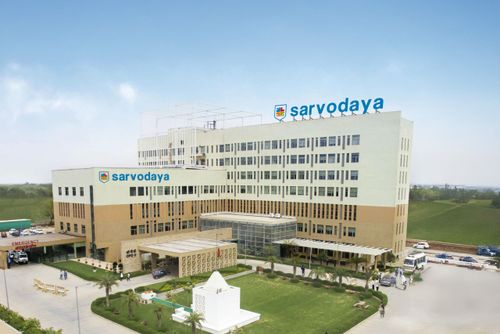
Sarvodaya, the best gastroenterology hospital in India, offers expert care supported by a leading gastroenterology centre in India, with experienced hepatologists and state-of-the-art diagnostic facilities.
Hepatitis B Symptoms
- Fatigue and weakness
- Loss of appetite
- Nausea or vomiting
- Abdominal pain on the right side
- Yellowing of skin and eyes (jaundice)
- Dark urine and pale stools
- Joint pain
- Fever
Hepatitis B Causes
- Unprotected sexual contact
- Transmission from mother to child at birth
- Sharing needles or syringes
- Blood transfusion with infected blood (rare today)
- Use of unsterilised medical or cosmetic instruments
Diagnosis of Hepatitis B
Accurate diagnosis of hepatitis B is essential for confirming infection, assessing liver damage, and planning timely treatment. Evaluation at the best gastro hospital in Delhi ensures precise testing, early detection of complications, and appropriate long-term management.
- Clinical Evaluation: Assessment of symptoms, risk factors, and liver-related signs.
- Hepatitis B Blood Test: Detects hepatitis B surface antigen, antibodies, and viral load to confirm infection and disease stage.
- Liver Function Tests (LFTs): Measure liver enzymes and bilirubin levels to assess liver inflammation and damage.
- Ultrasound / Imaging: Evaluates liver size, structure, and complications such as cirrhosis.
Treatment Options & Technology for Hepatitis B
Treatment of hepatitis B focuses on controlling the virus, preventing liver damage, and monitoring disease progression. Comprehensive Care under a gastroenterologist in Delhi NCR ensures appropriate therapy selection, regular follow-up, and effective long-term liver management.
- Advanced Diagnostic: Advanced diagnostic tools support accurate assessment and continuous monitoring of hepatitis B, including high-end laboratory testing for viral markers and liver enzymes, FibroScan Touch 502 for non-invasive liver fibrosis evaluation, high-resolution ultrasound, and advanced imaging such as CT and 3T MRI to detect disease progression and complications early.
- Monitoring and Supportive Care: Acute hepatitis B is closely observed with rest, hydration, and follow-up, as many cases resolve without antiviral therapy.
- Antiviral Medications: Long-term antiviral drugs are prescribed in chronic hepatitis B to suppress viral replication and reduce progressive liver damage.
- Regular Monitoring: Periodic blood tests and imaging studies evaluate viral load, liver function, and response to ongoing treatment.
- Lifestyle Management: Avoiding alcohol and following a liver-friendly diet help improve treatment effectiveness and protect long-term liver health.
Prevention & Lifestyle Modifications for Hepatitis B
Protect your liver health at Sarvodaya by consulting the best gastroenterologist in Faridabad. Our specialists focus on Hepatitis B prevention through vaccinations and lifestyle adjustments. Rely on Sarvodaya for advanced diagnostics and personalised care to ensure long-term liver wellness.
- Hepatitis B Vaccination: Provides strong and long-lasting protection against infection.
- Practice Safe Sexual Habits: Reduces the risk of viral transmission.
- Avoid Sharing Needles or Razors: Prevents bloodborne spread of the virus.
- Use Sterile Medical Instruments: Ensures safety during medical or cosmetic procedures.
- Regular Screening for High-Risk Individuals: Enables early detection and timely medical intervention.
Pre–Post Treatment Lifestyle Modifications for Hepatitis B
Optimise your recovery at Sarvodaya with guidance from the best gastrologist in Noida. We focus on crucial lifestyle shifts, including alcohol cessation and balanced nutrition, both before and after treatment. Trust Sarvodaya for comprehensive care that ensures lasting liver protection.
Pre-Treatment
- Early testing of exposed or symptomatic individuals
- Baseline blood tests and viral load assessment
- Lifestyle and medication review
Post-Treatment
- Strict adherence to antiviral therapy
- Regular liver function monitoring
- Healthy diet and alcohol avoidance
- Long-term follow-up with a specialist