

Digestive health is at the core of overall well-being, which is what makes it so important. Yet, we see that conditions like irritable bowel syndrome remain misunderstood and overlooked. World Irritable Bowel Syndrome Day events are aimed at bringing focus to this common and widely spread gut health issue. By increasing awareness, these events help people to identify symptoms early and, in turn, seek out the medical care they need.
In this blog, we look at the role of World IBS Day 2026, go in-depth into the condition itself, look at what causes it, and discuss management strategies, which include IBS lifestyle changes and home remedies.
Understanding Irritable Bowel Syndrome (IBS)
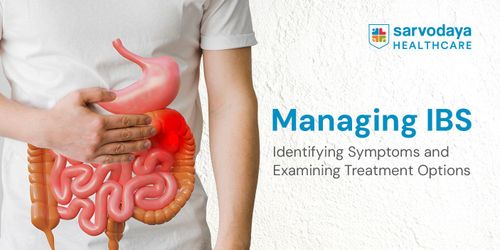
Irritable bowel syndrome is characterised by a set of symptoms present together, which include abdominal pain, bloating, and changes in bowel habits. Although it does not cause permanent damage to the intestines, it does greatly affect day-to-day life and emotional health.
World IBS Day is a global awareness that can influence millions of people. Therefore, IBS Awareness Day requires constant awareness efforts on April 19.
Importance of World IBS Day
It is of great importance to raise awareness of digestive disorders to improve early diagnosis and long-term management. Events like IBS Awareness Day play a key role in informing the public of symptoms, triggers, and treatment options.
World IBS Day takes place annually on April 19th. It is a global effort that brings to light issues related to gut health. In 2026’s World IBS Day campaigns, we see a focus on reducing stigma, increasing knowledge, and guiding patients toward the right care.
Read More- The Truth About Acidity, Bloating and Gut Health – What You Should Know
Common Signs of IBS
Identifying the signs of Irritable Bowel Syndrome is the first step to an early diagnosis and proper management. Programs like World IBS Day bring to light the value of this issue, which we discuss especially around IBS Day on April 19. Symptoms of IBS do present differently in each person and may change over time.
Below are the most reported symptoms:
- A persistent discomfort or pain in the abdomen that tends to improve after a bowel movement.
- A fullness or swelling in the abdomen is common with digestive issues.
- Changes in bowel habits, which may include frequent loose stools or hard stools to pass.
- Some may notice mucus during their bowel movements.
- Going back and forth between diarrhoea and constipation with no clear trigger.
These symptoms may disrupt daily life and emotional health. It is best to get an evaluation from the most experienced gastroenterologist in Faridabad if these symptoms show.
Causes of IBS
Though we do not always know the exact cause of irritable bowel syndrome, awareness days like World IBS Day report that IBS is usually the result of a mix of physical and lifestyle factors.
Here is a list of the main causes for IBS:
- Issues in the brain – gut communication can result in atypical bowel activity and increased sensitivity.
- Also, note that certain foods like dairy, gluten, or very spicy dishes may set off symptoms in many people.
- IBS also has a higher incidence in women and is noted to be related to hormonal changes during periods.
- Also, if you have a family history of digestive issues, you may be at a higher risk of getting IBS.
Diagnosis of Irritable Bowel Syndrome
It is of great importance to rule out other serious gastrointestinal issues and to start proper treatment at the onset of irritable bowel syndrome. Diagnosis of IBS is mostly based on clinical evaluation, which includes an extensive medical history and symptom assessment. Doctors may also order tests to rule out other conditions. This may include blood work, stool analysis, or imaging when needed.
It is best to see a specialist if you have had persistent symptoms of abdominal pain, irregular bowel movements, or bloating that are interfering with your day-to-day life. A visit to a qualified gastroenterologist in Noida helps you get an accurate diagnosis and a structured management plan.
IBS Lifestyle Modifications for Better Control
It is important to adopt healthy day-to-day practices for effective management of irritable bowel syndrome.
Here are some practical lifestyle changes that help in the management of IBS symptoms for IBS treatment without medicine:
- Add fibre-rich foods, fresh fruits, and vegetables to your diet, and at the same time, stay away from trigger foods which may worsen your symptoms.
- Techniques like meditation, deep breathing, and yoga improve gut health by addressing issues related to stress.
- Exercise helps bowel movements and improves overall digestive function.
- Proper sleep supports hormonal balance and reduces digestive disturbances.
- Keep track of what you eat and how you feel, which helps in identifying your personal triggers, thus supporting long-term management.
Conclusion
World Irritable Bowel Syndrome Day shows that IBS causes distress to many and affects how they feel physically, emotionally, and how they go about their daily lives.
At Sarvodaya Hospital, Faridabad, the top gastroenterology hospital in Delhi NCR, patients are provided full digestive care by experienced specialists who do accurate diagnoses, give out personalised care plans, and, in turn, long-term symptom management. If you are looking for support for digestive system functions or for advice on IBS treatment, then seeing the best gastroenterologist in Delhi NCR is the way to go.
If you or a loved one has been dealing with digestive issues that won’t go away, do not dismiss them. To get a professional care plan that is put together just for you, book an appointment now.