


A healthy digestive system is essential to preserving general well-being. When symptoms such as unexplained bleeding, changes in bowel habits, or persistent abdominal discomfort appear, a timely diagnosis is crucial. A colonoscopy test is a common diagnostic technique that enables medical professionals to look at the large intestine's inner lining and identify possible anomalies early on.
This blog explains the colonoscopy test, including how it is performed, its advantages, and when it is advised.
Understanding the Colonoscopy Test
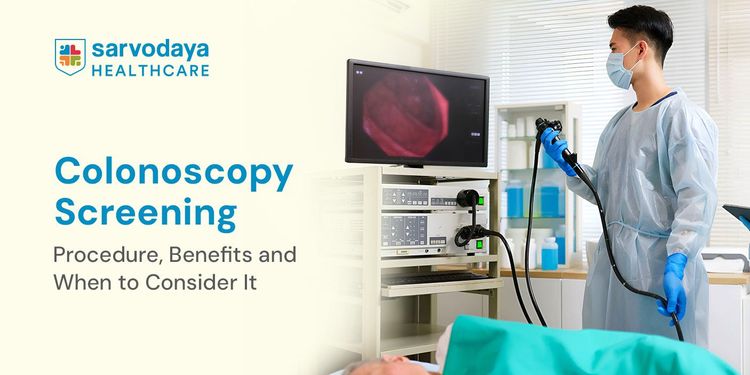
A colonoscopy test is a diagnostic procedure that uses a thin, flexible tube equipped with a camera to inspect the inner lining of the colon and rectum. It enables medical professionals to identify ailments like inflammation, polyps, ulcers, and early indicators of colorectal cancer. A colonoscopy test may be advised for patients with symptoms like unexplained bleeding or stomach pain in order to precisely determine the underlying reason.
Colonoscopy means a comprehensive visual examination of the large intestine carried out by a specialist. The process can be used for both diagnostic and treatment, such as the removal of polyps in the same session. Because it lowers the risk of significant gastrointestinal disorders and aids in early identification, routine colonoscopy screening is frequently recommended for preventive care.
Read More- Why the Colonoscopy Procedure Is Vital for Colon Cancer Prevention
The Need for Colonoscopy
When patients have ongoing digestive issues or when preventive screening is required, a colonoscopy test is advised. It is crucial for early detection of underlying gastrointestinal disorders, particularly when standard therapies are ineffective.
A trusted gastroenterologist in Faridabad may look for the following symptoms before recommending the test:
- Persistent Discomfort in the Abdomen: Patients who have persistent digestive problems may be recommended to have a stomach pain colonoscopy test to determine the cause.
- Rectal Bleeding or Blood in the Stool: This symptom needs to be treated once and further examined with a colonoscopy.
- Modifications in Bowel Habits: Prolonged constipation, diarrhoea, or irregular bowel movements may be signs of underlying medical issues.
- Family History of Colorectal Diseases: Regular colonoscopy screening is frequently advised for people with a hereditary susceptibility.
- Age-Based Screening: In order to identify early indicators of illness, preventive colonoscopy screening is frequently recommended for people over 45.
Colonoscopy Process
Colonoscopy near me is a common and safe test that enables medical professionals to precisely inspect the colon and rectum. To ensure the patient's comfort, it is typically performed in a hospital setting under moderate sedation. For precise results and a smooth experience, patients are urged to adhere to certain preparation procedures.
Colonoscopy is carried out in the following steps:
- Before the test, patients must adhere to a clear liquid diet and take recommended laxatives to fully cleanse their bowels. For optimal visibility during the colonoscopy operation, this step is crucial.
- To inspect the colon, a flexible tube known as a colonoscope is carefully placed into the rectum. The doctor can examine the intestinal lining by using the camera that is attached to the tube to send pictures to a monitor.
- If any abnormal growths or tissues are found, they can be removed or collected for additional study.
- Following the surgery, patients are observed for a brief time before being released. There may be some mild discomfort or bloating, but it usually resolves more quickly.
Benefits of Colonoscopy
Colonoscopy is essential to diagnose and prevent gastrointestinal disorders. It is regarded as one of the best ways to detect colon problems early, improve treatment outcomes, and reduce long-term effects.
- Early Disease Detection: The colonoscopy test aids in the early diagnosis of disorders such as inflammatory bowel diseases, polyps, and colorectal cancer.
- Preventive Screening: By identifying and eliminating precancerous polyps before they worsen, routine colonoscopy screening helps avoid serious diseases.
- Accurate Diagnosis: A colonoscopy test offers a clear and comprehensive assessment of the colon for patients with symptoms such as stomach aches.
- Minimally Invasive Treatment: During a colonoscopy, minor problems like polyps can be treated right away without requiring further surgery.
Cost of Colonoscopy in India
When compared to other places, the colonoscopy test price in India is the average cost of a colonoscopy test in India is quite affordable, making it available to a broad spectrum of people. Clarity about the operation and related costs can be ensured by consulting an expert and selecting an experienced gastroenterologist in Noida.
The cost of a colonoscopy test in India might vary based on several criteria:
- Hospital Infrastructure and Facilities: Because advanced institutions have greater equipment and care standards, colonoscopy tests may be slightly more expensive there.
- Doctor's Expertise: In India, the cost of a colonoscopy test might be influenced by a specialist's experience.
- Diagnostic and Laboratory Tests: The entire cost of a colonoscopy test frequently includes pre-procedure diagnostics and assessments.
- Extra Additions: The cost of the colonoscopy test in India may change if biopsies or polyp excision are necessary during the procedure.
Conclusion
A colonoscopy is an important diagnostic and preventive procedure that is essential to preserving intestinal health. It lowers the risk of major gastrointestinal disorders by detecting early symptoms and facilitating prompt treatment.
Sarvodaya Hospital, Faridabad, the top gastroenterologist hospital in Delhi NCR, provides comprehensive care for digestive diseases with the help of skilled professionals and cutting-edge medical equipment. Early consultation with the most reputable gastroenterologist in Delhi NCR ensures precise diagnosis and prompt treatment.
Book an appointment now as a proactive move toward your well-being.