


One of the body's most important organs, the liver produces bile for digestion, filters toxins from the blood, stores energy, and supports hundreds of metabolic activities. The liver is resilient, but a variety of factors, such as bad eating habits, excessive alcohol use, viral infections, and metabolic diseases, can harm it.
In this blog, we examine the early signs of liver damage, explore the liver damage symptoms that patients commonly overlook, and explain when it is essential to seek specialist care.
Understanding Why the Liver Sends Warning Signals Late
The liver has an extraordinary ability to regenerate and adapt to damage, and it may continue to function normally and conceal the underlying issue even if a substantial portion of the organ is compromised. The illness may have progressed significantly by the time symptoms appear.
This is why understanding the signs of liver disease in their earliest forms is so important, both for patients and for healthcare providers.
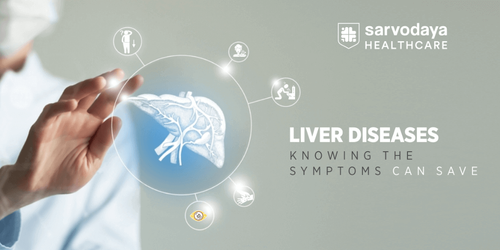
Read More- Liver Diseases - Symptoms, Causes, Treatment & Diet
Recognising Early Symptoms of Liver Disease
Early liver-related symptoms are often written off as common weariness or mild stomach discomfort. On the other hand, these symptoms can suggest that the liver is under a lot of stress. A wide range of physical changes can be included in the early signs of liver disease, all of which call for medical attention.
Common early indicators include:
- Persistent fatigue and unexplained weakness that does not improve with rest
- A general loss of appetite, often accompanied by unintentional weight loss
- Mild discomfort or a dull ache in the upper right side of the abdomen
- Nausea, particularly after consuming fatty or rich foods
- Subtle changes in urine colour, which may appear darker than usual
- Pale or clay-coloured stools, suggesting reduced bile production
Fatty Liver: A Silent and Growing Concern
The prevalence of non-alcoholic fatty liver disease (NAFLD) has increased, especially in people with type 2 diabetes, obesity, or high cholesterol. For people who are at risk, routine screening is crucial because fatty liver symptoms are frequently completely absent in the early stages.
When symptoms do manifest, they could include a general feeling of illness, slight discomfort in the upper right abdomen, and persistent weariness. Inflammation, fibrosis, and ultimately cirrhosis can develop from fatty liver disease in the absence of suitable lifestyle changes and medical intervention.
Read More- Early Signs of Liver Cirrhosis and When to Seek Medical Care
Liver Infection Symptoms
Liver inflammation and damage are frequently caused by viral hepatitis, which is brought on by the hepatitis A, B, or C viruses. Without the right blood tests, it can be challenging to get an accurate diagnosis because the symptoms of liver infections linked to these disorders might mimic those of a general viral sickness.
Patients with liver infections may experience:
- Sudden onset of fatigue and generalised muscle aches
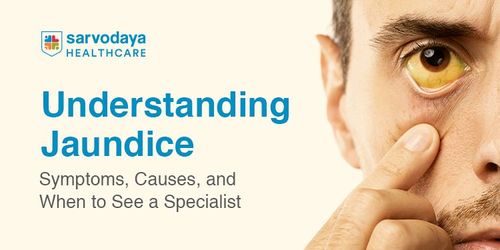
- Jaundice, characterised by yellowing of the skin and the whites of the eyes
- Dark urine and pale, clay-coloured stools
- Fever, particularly in acute hepatitis A infections
- Tenderness or swelling in the liver area
If you notice any of these symptoms of liver problems, it is important to seek medical evaluation promptly from a renowned gastroenterologist in Noida rather than waiting for symptoms to resolve independently.
Warning Signs That Require Urgent Medical Attention
The warning signals of liver damage become increasingly noticeable as liver disease progresses and may indicate a critical medical emergency. Cirrhosis, or advanced liver disease, can cause problems that impact several organ systems at once.
Severe liver failure symptoms may include:
- Progressively deepening jaundice
- Significant abdominal swelling caused by fluid accumulation, known as ascites
- Confusion, disorientation, or difficulty concentrating, referred to as hepatic encephalopathy
- Easy bruising or prolonged bleeding due to impaired clotting factor production
- Intense, persistent itching of the skin caused by the accumulation of bile salts
- Vomiting blood or the passage of blood in stools
Read More- Detoxify Liver with These Magical Juices
Conclusion
Liver disease is a condition that progresses gradually, often without obvious warning. Understanding and recognising early signs is the first step towards protecting your health. Proactive awareness and timely action remain the most effective defences against serious liver complications.
At Sarvodaya Hospital, Faridabad, the best gastroenterology hospital in Delhi NCR, the team is equipped to diagnose and manage the full spectrum of liver conditions, from early-stage fatty liver disease to complex hepatic disorders. The specialists here, including the most trusted gastroenterologists in Delhi NCR, use advanced diagnostic technology to assess liver health accurately and develop evidence-based treatment plans tailored to each patient's individual needs. Preventive consultations are particularly beneficial, enabling patients to identify risk factors before symptoms develop and to implement lifestyle and medical interventions that safeguard long-term liver function.
If you have been experiencing any of the symptoms discussed in this blog, do not delay seeking care. Take the first step towards better liver health and book an appointment now.