


The lungs work constantly to transport oxygen into the bloodstream and remove carbon dioxide. When fluid accumulates in the tiny air sacs, the exchange is impeded, and breathing becomes increasingly difficult. This fluid buildup is a serious respiratory issue that necessitates immediate medical attention and a proper diagnosis.
In this blog, we explain the pulmonary oedema definition, its common causes, warning signs, and the treatment options available for patients experiencing this condition.
Understanding Pulmonary Oedema
The term pulmonary oedema refers to an abnormal accumulation of fluid within the lung tissue and air sacs that interferes with proper oxygenation. This fluid often leaks from small blood vessels that surround the lungs, often as a result of increased circulatory pressure or damage to the delicate membranes of the lung.
The illness can develop gradually over days or present suddenly and unexpectedly, and it is frequently evaluated alongside underlying heart and lung issues because the two systems are closely linked. Early detection enables doctors to intervene before respiratory problems become severe.
Common Causes of Pulmonary Oedema
Several underlying disorders can cause fluid collection in the lungs, and determining the particular trigger is critical for effective therapy.
The main pulmonary oedema causes are:
- Congestive heart failure, which raises pressure in the lung's blood vessels
- Damage to the heart valves affecting normal blood flow
- Poorly controlled high blood pressure over time
- Kidney disease, which can lead to fluid retention
- Exposure to high altitudes without proper acclimatisation
- Severe infections affecting the lungs directly
- Inhalation of toxic fumes or smoke
Understanding these pulmonary oedema causes helps doctors tailor treatment to the specific factor responsible, rather than addressing symptoms alone.
Recognising the Symptoms of Pulmonary Oedema
Symptoms vary depending on how rapidly fluid builds up and how much of the lung is affected. Knowing the most frequent pulmonary oedema symptoms enables patients and families to seek treatment as soon as possible.
Here are some pulmonary oedema symptoms to look out for:
- Shortness of breath, particularly when lying flat
- A persistent cough, sometimes with frothy or blood-tinged sputum
- A feeling of suffocation or gasping for air
- Rapid or irregular heartbeat with excessive sweating
- Swelling in the legs, ankles, or abdomen
- Fatigue and weakness with minimal exertion
These pulmonary oedema symptoms should never be ignored, particularly if they appear suddenly or worsen within a short period.
Acute Pulmonary Oedema and Emergency Presentation
Acute pulmonary oedema develops quickly, frequently between minutes to hours, and is considered a medical emergency requiring immediate hospitalisation. Unlike the chronic type, which develops gradually and allows for outpatient treatment, acute pulmonary oedema can cause immediate respiratory discomfort, a quick reduction in oxygen levels, and severe pressure on the heart.
Patients with this presentation frequently appear breathless, anxious, and unable to talk in complete phrases. Immediate oxygen assistance, careful monitoring, and prompt treatment are critical for stabilising the patient and preventing further deterioration of heart and lung function.
Diagnosis Through Clinical Assessment and Imaging
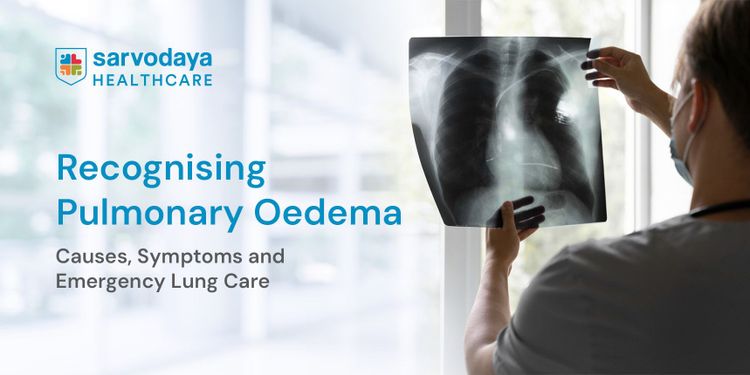
The diagnosis is made after a comprehensive clinical examination, which includes listening to the lungs and testing oxygen saturation. A pulmonary oedema X-ray remains one of the most useful instruments for confirming fluid buildup since it often shows distinctive shadowing across the lung fields.
Blood tests, electrocardiograms, and echocardiograms may all be used to evaluate heart function and determine the underlying cause. For medical documentation purposes, the illness is coded as pulmonary oedema ICD 10, allowing healthcare personnel to accurately record and follow the diagnosis within hospital records.
Treatment Approaches for Pulmonary Oedema
The treatment aims to relieve dyspnoea, restore normal oxygen levels, and address the underlying cause of fluid accumulation. A well-structured approach to pulmonary oedema therapy by a reputable pulmonologist in Faridabad frequently incorporates many approaches based on severity.
Effective pulmonary oedema treatment includes these different approaches:
- Supplemental oxygen delivered through a mask or nasal support
- Diuretic medications to help remove excess fluid from the body
- Medications to manage blood pressure and reduce strain on the heart
- Treatment of the underlying cause, such as heart failure or infection
- Careful fluid and salt restriction during recovery
- Close monitoring in a hospital setting for severe cases
This structured pulmonary oedema treatment approach allows patients to recover safely while lowering the risk of future episodes.
Conclusion
Pulmonary oedema is a condition that requires immediate recognition and medical attention. Whether it develops gradually as a result of an underlying heart or kidney issue or presents suddenly as a medical emergency, understanding the causes and symptoms enables patients and families to act swiftly and seek appropriate treatment.
Sarvodaya Hospital, Faridabad, offers comprehensive respiratory and cardiac care for patients affected by pulmonary oedema, supported by top pulmonologists in Delhi NCR, advanced diagnostic imaging, and dedicated critical care units. As a leading pulmonology hospital in Faridabad, the hospital focuses not only on emergency management but also on preventive consultation, helping patients with underlying heart or lung conditions manage their health before complications arise.
Early evaluation and consistent follow-up remain the most effective ways to prevent serious complications from developing. If you or a loved one are experiencing breathlessness or related symptoms, do not delay seeking professional guidance. Book an appointment now with our specialist team to begin timely assessment and appropriate care.