

Overview
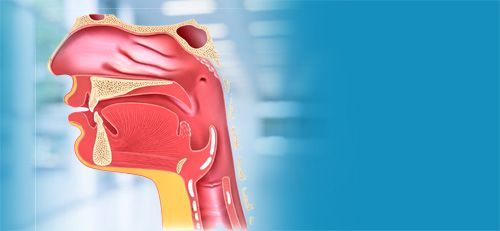
Voice, breathing and swallowing are closely connected functions of the throat, voice box and airway. When any of these are affected, a person may notice persistent hoarseness, voice fatigue, breathing difficulty, choking while eating, food getting stuck in the throat or a wet/gurgly voice after meals. These symptoms may seem minor at first, but when they continue or keep recurring, they may point towards an underlying voice, airway or swallowing disorder that needs specialist evaluation.
At Sarvodaya Hospital’s Department of ENT, we have the Best ENT Specialist in Faridabad who provides dedicated care for voice changes, vocal cord disorders, airway narrowing, tracheostomy-related concerns, dysphagia, stroke-related swallowing difficulties, paediatric swallowing disorders and geriatric swallowing problems. Patients looking for an ENT Specialist for Voice Disorders in Faridabad can receive structured evaluation and personalised care at the department.
As the region’s first dedicated Voice & Airway Department, Sarvodaya combines advanced diagnostic support, therapy-based rehabilitation and surgical treatment options for patients looking for the Best ENT Hospital in Faridabad and Delhi NCR.
Conditions We Treat
Sarvodaya’s ENT department addresses disorders across three closely related systems: voice, airway and swallowing, often in patients who present with overlapping concerns.
Voice Disorders
Hoarseness of voice, voice fatigue or a change in vocal quality are among the most common reasons patients are referred to a laryngology specialist. Our ENT voice specialists evaluate and manage the full range of vocal cord disorders, including:
Muscle Tension Dysphonia: Voice strain caused by excessive tension in the muscles around the larynx.
Vocal Cord Palsy: Weakness or paralysis of one or both vocal cords, leading to a weak, breathy or hoarse voice. The department provides Vocal Cord Paralysis Treatment based on the patient’s condition and vocal cord function.
Spasmodic Dysphonia: A neurological voice disorder resulting in a strained or broken voice pattern.
Vocal Nodules: Benign callus-like growths on the vocal cords caused by vocal overuse or misuse. Patients with persistent symptoms may require Vocal Cord Nodules Treatment after specialist evaluation.
Sulcus Vocalis: A groove along the vocal cord that prevents proper vibration, causing persistent hoarseness or breathiness.
The department provides Vocal Cord Disorders Treatment, Hoarseness of Voice Treatment and Laryngeal Disorders Treatment through a combination of evaluation, therapy and procedure-based care.
Airway Disorders
Airway disorders range from mild narrowing to life-threatening obstruction and demand prompt, expert evaluation. Patients looking for an Airway Disorders Specialist in Faridabad can consult Sarvodaya’s ENT team for assessment and management of complex laryngeal disorders and tracheal conditions, including:
Subglottic Stenosis: Narrowing of the airway just below the vocal cords.
Tracheal Stenosis: Narrowing of the trachea or windpipe, often arising after prolonged intubation or tracheostomy.
Bilateral Vocal Cord Palsy: Paralysis of both vocal cords, which poses a significant risk to the airway.
Laryngeal Trauma: Injury to the larynx from external trauma or surgical complications.
Swallowing Disorders (Dysphagia)
Dysphagia, or difficulty swallowing, can carry serious risks such as aspiration and chest infections. Sarvodaya provides Swallowing Disorders Treatment in Faridabad with evaluation, therapy and rehabilitation support aimed at improving swallowing safety and helping patients eat and drink more comfortably.
Paediatric Swallowing Disorders: Feeding and swallowing difficulties in infants and children.
Stroke Rehabilitation: Many stroke survivors experience dysphagia that puts them at risk of aspiration and recurrent chest infection.
Onco Dysphonia & Dysphagia: Voice and swallowing difficulties arising during or after cancer treatment.
Geriatric Swallowing Disorders: Age-related changes in swallowing function.
Technology, Procedures & Therapy Support
Sarvodaya’s Voice & Airway Department is supported by advanced technology, diagnostic systems, surgical procedures and therapy-based rehabilitation for voice, airway and swallowing disorders.
Diagnostic & Evaluation Support
FEES: Bedside endoscopic evaluation to assess swallowing safety, efficiency and aspiration risk.
VFSS: Real-time X-ray study to evaluate the swallowing process in detail.
Pentax Laryngoscopy System: High-resolution visualisation of the larynx, vocal cords and airway.
Flexible and Rigid Bronchoscopy: Used for selected airway concerns, including narrowing, obstruction or foreign body-related issues.
Surgical & Interventional Procedures
Microlaryngeal Surgery: Minimally invasive surgery for selected vocal cord lesions.
CO₂ Laser Surgery: Precision laser surgery for selected voice and airway conditions. Sarvodaya is Delhi NCR’s only CO₂ Laser-enabled department for voice disorders.
Thyroplasty: Procedure to improve voice function in selected vocal cord palsy cases.
Injection Laryngoplasty: Injection-based treatment to improve vocal cord closure and voice quality.
Fat Injections: Used for vocal cord volume augmentation in selected cases.
Laryngeal Reinnervation Surgery: Procedure to support nerve function in selected vocal cord paralysis cases.
Laryngeal Botox Injections: Used to reduce laryngeal muscle spasms in selected voice disorders.
Therapy & Rehabilitation Support
Voice Therapy: One-on-one sessions to improve voice use and reduce vocal strain.
Swallowing Therapy: Exercises and strategies to improve swallowing safety and confidence.
Vital Stim Therapy: Neuromuscular electrical stimulation for swallowing rehabilitation. Sarvodaya offers North India’s first Vital Stim Therapy System.
Why Choose Sarvodaya Hospital for Voice, Airway and Swallowing Disorders?
Voice, airway and swallowing disorders often need more than routine ENT care. They require detailed evaluation, specialised technology, therapy support and procedure-based treatment when needed. At Sarvodaya Hospital, the Voice & Airway Department brings these services together under one focused department, helping patients receive structured care for problems affecting speech, breathing and swallowing.
Region’s First Dedicated Voice & Airway Department: Sarvodaya offers a specialised department focused on voice, airway and swallowing disorders, providing structured care for patients with speaking, breathing and swallowing concerns.
Specialised ENT Team for Voice & Airway Care: Our ENT specialists provide evaluation and treatment for voice changes, vocal cord disorders, airway narrowing, dysphagia, tracheostomy-related concerns and swallowing difficulties across different age groups. This makes the department a trusted choice for patients searching for an ENT Specialist for Voice Disorders in Faridabad.
Advanced Diagnostic Support: The department is equipped with FEES, VFSS, Pentax Laryngoscopy System and Flexible & Rigid Bronchoscopy to support detailed evaluation of the throat, vocal cords, airway and swallowing function.
Delhi NCR’s Only CO₂ Laser-enabled Department for Voice Disorders: Sarvodaya offers advanced CO₂ Laser support for selected voice and airway conditions, enabling precision-based treatment for suitable patients.
North India’s First Vital Stim Therapy System: The department offers Vital Stim Therapy for swallowing rehabilitation, supporting patients with dysphagia, stroke-related swallowing difficulty and other swallowing concerns.
Complete Care Through Therapy, Procedures and Rehabilitation: From voice therapy and swallowing therapy to microlaryngeal surgery, injection laryngoplasty, thyroplasty, laryngeal Botox injections and airway procedures, the department provides a wide range of care under one specialised service.
Care for Children, Adults and Elderly Patients: The department manages paediatric swallowing disorders, stroke-related swallowing difficulty, geriatric swallowing problems, vocal cord concerns and airway disorders with treatment plans based on the patient’s age, condition and functional needs.
Patient-centric Treatment Planning: Every patient is assessed individually, and treatment is planned according to the diagnosis, symptom severity and the impact on voice, breathing, swallowing safety and daily quality of life.