
Overview
Sports knee injuries are among the most common orthopaedic injuries affecting athletes, fitness enthusiasts, and individuals participating in recreational sports. The knee is a complex joint that supports body weight while allowing movement, making it particularly vulnerable to injuries during activities involving sudden twisting, jumping, pivoting, running, or direct impact.
Sports knee injuries can affect the ligaments, cartilage, meniscus, tendons, or bones, leading to pain, swelling, instability, and difficulty performing routine activities.
Early diagnosis and timely sports knee injury treatment are essential to restore knee stability, prevent long-term joint damage, and enable a safe return to sports.
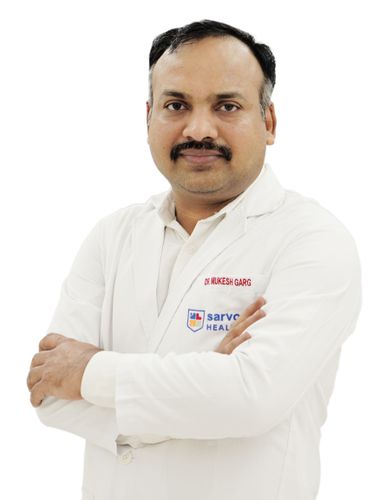
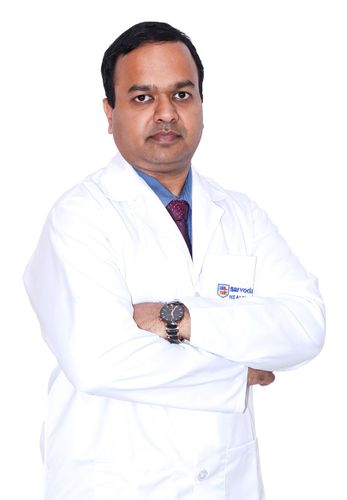
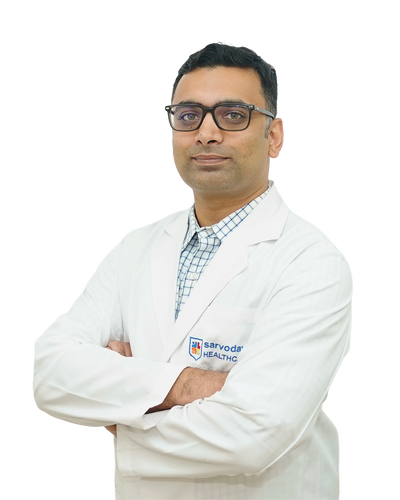
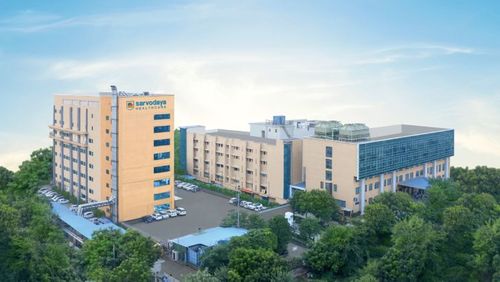
At Sarvodaya Hospital, our experienced sports injury specialists and orthopaedic surgeons provide comprehensive care using advanced diagnostic technology, minimally invasive arthroscopic procedures, personalised rehabilitation programmes, and evidence-based treatment protocols to help patients recover with confidence.
Symptoms of Sports Knee Injuries
- Sudden knee pain during sports
- Swelling around the knee
- Knee stiffness
- Difficulty walking
- Instability or the knee giving way
- Limited range of motion
- Popping sensation at the time of injury
- Difficulty bearing weight
- Locking or catching of the knee
- Tenderness around the joint
Causes of Sports Knee Injuries
- Sudden twisting or pivoting movements
- Landing incorrectly after jumping
- Direct impact during contact sports
- Rapid changes in direction
- Overuse injuries
- Hyperextension of the knee
- Falling during sports activities
- Weak supporting muscles
Risk Factors for Sports Knee Injuries
Several factors increase the likelihood of sustaining a sports-related knee injury.
- Participation in High-Impact Sports: Sports such as football, basketball, badminton, cricket, volleyball, skiing, and tennis place significant stress on the knee joint.
- Previous Knee Injury: A previous ligament or meniscus injury increases the risk of recurrent knee injuries.
- Poor Muscle Strength: Weak quadriceps, hamstrings, and core muscles reduce knee stability and increase injury risk.
- Inadequate Warm-Up: Skipping stretching and warm-up exercises before sports can increase the likelihood of muscle and ligament injuries.
- Poor Technique: Incorrect landing, running, or jumping techniques place excessive stress on the knee.
- Inappropriate Footwear: Shoes with poor support or worn-out soles may affect knee alignment and increase injury risk.
Diagnosis of Sports Knee Injuries
Accurate diagnosis helps determine the severity of the injury and guides the most appropriate treatment plan.
- Clinical Examination: The orthopaedic specialist evaluates pain, swelling, joint stability, range of motion, and the mechanism of injury.
- Ligament Stability Tests: Special clinical tests help assess injuries involving the ACL, PCL, MCL, and LCL.
- Digital X-rays: X-rays help identify fractures, dislocations, and bone injuries associated with sports trauma.
- MRI Scan: MRI provides detailed images of ligaments, menisci, cartilage, tendons, and other soft tissues, making it the preferred investigation for sports injuries.
- CT Scan: CT scans may be recommended for complex fractures or detailed surgical planning.
- Arthroscopic Evaluation: In selected cases, diagnostic arthroscopy allows direct visualisation of the knee structures while also enabling treatment.
Treatment Options for Sports Knee Injuries
The most suitable sports injury treatment depends on the type of injury, severity, activity level, and the patient's recovery goals. At Sarvodaya Hospital, our orthopaedic and sports medicine specialists provide personalised treatment plans to restore knee function and help patients safely return to sports.
- Initial Conservative Management: Minor sports injuries are often treated using the RICE protocol (Rest, Ice, Compression, and Elevation), along with activity modification and temporary knee support to reduce pain and swelling.
- Medication Therapy: Pain-relieving and anti-inflammatory medications help control pain and reduce inflammation during the initial stages of recovery.
- Physiotherapy and Sports Rehabilitation: Structured sports rehabilitation for knee injury focuses on restoring strength, flexibility, balance, coordination, and joint stability. Individualised rehabilitation programmes are designed to help patients return to sports safely.
- Bracing and Support: Knee braces may be recommended to protect injured ligaments, provide stability, and support healing during rehabilitation.
- Arthroscopic Meniscus Surgery: Arthroscopic meniscus surgery is a minimally invasive procedure used to repair or remove damaged meniscal tissue through small incisions. It offers less pain, faster recovery, and minimal scarring compared to traditional surgery.
- ACL Reconstruction Surgery: ACL reconstruction surgery is recommended for complete ACL tears causing knee instability, particularly in active individuals and athletes. The damaged ligament is reconstructed using a tendon graft to restore knee stability and function.
Benefits of Early Sports Knee Injury Treatment
Early sports knee injury treatment helps minimise damage to the knee joint, speeds up recovery, and allows athletes to safely return to sports. Prompt treatment also reduces the risk of long-term complications and recurrent injuries.
- Relieves Pain and Swelling: Early medical care helps reduce pain, inflammation, and swelling, making movement more comfortable during recovery.
- Restores Knee Stability: Timely treatment strengthens injured ligaments and supporting structures, improving knee stability and preventing the joint from giving way.
- Prevents Further Joint Damage: Treating ligament, cartilage, or meniscus injuries early helps prevent additional damage to the knee and reduces the risk of early arthritis.
- Supports Faster Recovery: Appropriate treatment and rehabilitation enable patients to regain strength, flexibility, and function more quickly.
Complications if Left Untreated
Possible complications include:
- Chronic knee pain
- Recurrent knee instability
- Complete ligament tears
- Meniscus damage
- Cartilage degeneration
- Early osteoarthritis
- Reduced range of motion
- Muscle weakness
- Difficulty walking or running
- Repeated sports injuries
- Long-term loss of athletic performance
- Need for more complex reconstructive surgery
When Should You See a Doctor?
- Severe knee pain after a sports injury
- A popping sensation at the time of injury
- Significant swelling within a few hours
- Difficulty bearing weight on the affected leg
- Knee instability or giving way
- Limited knee movement
- Locking or catching of the knee
- Persistent pain lasting more than a few days
- Inability to return to sports
- Recurrent knee injuries
Prevention & Lifestyle Modifications
Although not all sports injuries can be prevented, following safe training practices significantly reduces the risk of knee injuries.
- Warm Up Before Exercise: Always perform stretching and dynamic warm-up exercises before participating in sports or intense physical activity.
- Strengthen the Knee Muscles: Regular strengthening exercises for the quadriceps, hamstrings, gluteal muscles, and core improve knee stability and reduce injury risk.
- Improve Flexibility: Stretching exercises help maintain flexibility and reduce stress on the knee ligaments and muscles.
Pre- and Post-Treatment Care
Pre-Treatment
- Comprehensive orthopaedic consultation
- Detailed sports injury assessment
- Physical examination
- Digital X-rays
- MRI scan
- CT scan if required
- Ligament stability assessment
- Pre-anaesthetic evaluation before surgery
- Physiotherapy counselling
Post-Treatment
- Taking prescribed medications
- Regular physiotherapy sessions
- Progressive strengthening exercises
- Balance and coordination training
- Knee range of motion exercises
- Wearing a knee brace when advised
- Gradual return to sports under medical supervision
- Follow-up with the orthopaedic specialist
- Sport-specific functional training
- Performance assessment before returning to competitive sports