

Breathing is something most people take for granted until it becomes difficult. In the post-COVID era, rising air pollution levels and environmental irritants have heightened concerns about respiratory health. These factors can worsen existing lung conditions and contribute to respiratory symptoms, highlighting the importance of awareness, early diagnosis and timely medical care.
Persistent coughing, excessive mucus production, wheezing and breathlessness during everyday activities may indicate an underlying respiratory condition that could require medical attention. One such condition is Chronic Obstructive Pulmonary Disease (COPD), a progressive lung disease in children and adults that can significantly affect quality of life.
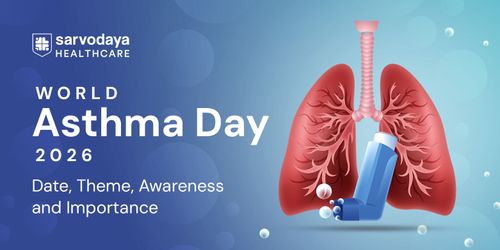
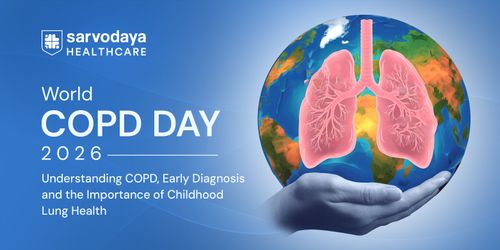
Observed on November 18, World COPD Day 2026 highlights the importance of recognising symptoms early, identifying risk factors and improving access to appropriate respiratory care. This year's theme, Early Diagnosis and Management for a Better Life, emphasises the need to identify COPD before symptoms become severely limiting.
While COPD is commonly diagnosed in adults, lung health deserves attention much earlier in life. Factors such as exposure to second-hand smoke, air pollution, premature birth and certain childhood respiratory conditions may affect lung development and influence respiratory health later in adulthood.
Let us understand COPD, its causes, symptoms, prevention and the importance of World COPD Day in the following blog.
What is World COPD Day?
World COPD Day 2026 is a global awareness initiative organised by the Global Initiative for Chronic Obstructive Lung Disease (GOLD), in collaboration with healthcare professionals and COPD patient groups. It aims to increase public understanding of COPD, promote early diagnosis and encourage better prevention and management of the disease.
Read More - Understanding COPD: Causes, Symptoms, and Effective Treatment Options
Why is World COPD Day Observed?
The significance of World COPD Day extends beyond people already living with COPD. It encourages individuals to recognise persistent respiratory symptoms, understand environmental and lifestyle risk factors, and seek medical advice when necessary.
Since COPD can affect young children, the day also highlights the importance of protecting children's developing lungs. Reducing exposure to tobacco smoke, household air pollution, and other harmful respiratory irritants may help support healthy lung development and reduce preventable respiratory risks.
What is the Theme of World COPD Day 2026?
World COPD Day 2026 will be observed on November 18 under the theme “Early Diagnosis and Management for a Better Life.” The theme draws attention to the challenges of underdiagnosis and delayed treatment, while highlighting opportunities to improve respiratory health through timely intervention.
What Is Chronic Obstructive Pulmonary Disease (COPD)?
Chronic obstructive pulmonary disease (COPD) is a term used for certain types of irreversible lung and airway damage/diseases that block (obstruct) the airways and make it hard to breathe. It commonly includes conditions such as Emphysema and Chronic Bronchitis, which affect the lungs and airways in different ways.
In COPD, the airways may become inflamed, scarred (fibrosis) or narrowed, excess mucus may obstruct airflow, and the tiny air sacs responsible for exchanging oxygen and carbon dioxide may become damaged. These changes make it harder to breathe, particularly during physical activity.
COPD usually develops gradually, and symptoms may initially be mistaken for ageing, reduced fitness, a persistent smoker's cough or recurring respiratory infections. However, ongoing symptoms should not be ignored, particularly when a person has a history of smoking or exposure to air pollution.
COPD can become severe over time and requires prompt medical intervention by an expert COPD doctor for timely treatment and management.
Types of Chronic Obstructive Pulmonary Disease
COPD includes both Chronic Bronchitis and Emphysema. People with COPD often have features of both.
- Chronic Bronchitis: Inflammation of the large airways that narrows them and produces lots of mucus. The most common symptom of Chronic Bronchitis is a cough.
- Emphysema: It happens when your alveoli (the tiny, cup-shaped air sacs at the end of the respiratory tree in the lungs where gas exchange takes place) become damaged and enlarged. Shortness of breath is one of the most common symptoms of Emphysema.
Common Symptoms of COPD
Symptoms of COPD can vary from person to person based on age and severity of the condition. Recognising the early signs of COPD is essential for timely treatment and management of the disease.
Persistent cough, mucus production or unexplained breathlessness warrants medical evaluation by an experienced pulmonologist or a lung health specialist, especially in people with known risk factors.
Common symptoms include:
- Persistent cough for weeks or months
- Excessive cough with phlegm, particularly in the morning
- Shortness of breath
- Difficulty taking deep breaths
- Wheezing
- Chest tightness
- Frequent respiratory infections
- Fatigue
COPD Causes and Risk Factors
COPD usually develops because of long-term exposure to harmful particles and gases, combined with individual factors that affect lung development and function. Smoking is an important risk factor, but it is not the only cause.
Understanding the different COPD causes and risk factors is particularly important in countries such as India, where tobacco exposure, outdoor pollution, household smoke and occupational hazards may contribute to respiratory disease.
Some of the major causes and risk factors of COPD may include:
1. Tobacco Smoking
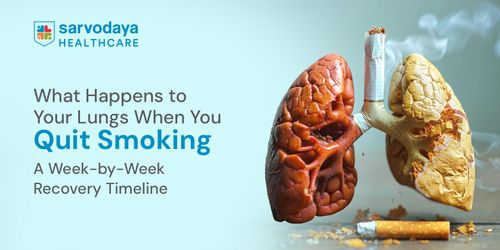
Cigarette smoking is one of the leading causes of COPD. Tobacco smoke contains harmful chemicals and particles that can irritate the airways, promote inflammation and damage lung tissue over time.
Quitting smoking can help reduce further damage and improve respiratory health, even after years of tobacco use.
2. Second-Hand Smoke Exposure
Breathing smoke produced by another person's cigarette or other tobacco product can also affect lung health. Long-term exposure to second-hand smoke increases respiratory risks and is particularly concerning for children, whose lungs are still developing.
Keeping homes, vehicles and other indoor environments smoke-free is an important preventive measure.
3. Outdoor Air Pollution
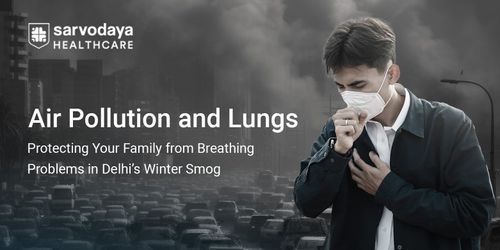
Particulate matter, traffic emissions, industrial pollutants and other airborne irritants can contribute to respiratory inflammation. Repeated or prolonged exposure may increase the risk of respiratory problems and contribute to COPD development.
People living in highly polluted areas may benefit from monitoring air quality and reducing strenuous outdoor activity during periods of severe pollution.
4. Indoor Air Pollution
Smoke from cooking and heating fuels, particularly biomass fuels used in poorly ventilated spaces, can expose people to harmful particles over extended periods.
Improved ventilation, cleaner cooking fuels and reduced indoor smoke exposure are important measures for protecting respiratory health.
5. Occupational Exposure
Certain workplaces expose individuals to dust, fumes, chemicals and industrial pollutants. Prolonged exposure without appropriate protective measures may damage the lungs.
Workers in industries involving construction dust, mining, manufacturing or chemical processing should follow workplace respiratory safety recommendations.
6. Genetic Factors
A rare inherited condition called alpha-1 antitrypsin deficiency can increase the risk of developing COPD, sometimes at a younger age. Genetic susceptibility may be particularly relevant when COPD develops early or occurs in individuals without typical exposure histories.
7. Childhood Respiratory Conditions and Poor Lung Development
Lung health is influenced by development before birth, during infancy and throughout childhood. Premature birth, impaired lung growth, severe or recurrent respiratory infections and childhood asthma may affect lung function.
Not every child who experiences these factors will develop COPD. However, early-life respiratory disadvantages may contribute to reduced maximum lung function and increase susceptibility to respiratory disease in adulthood.
What are the Complications of Untreated COPD?
Untreated COPD can lead to certain lung infections. It can also prevent the exchange of gases, restricting oxygen from getting into your body and carbon dioxide from getting out. This may lead to serious complications, including:
- Pneumonia
- Polycythemia (making too many red blood cells)
- High levels of carbon dioxide in your blood
- Low levels of oxygen in your blood
- Respiratory failure
- Pulmonary hypertension
- Right-sided heart failure
- Collapsed lung
If you notice any unusual signs related to breathing, consult with a respiratory medicine doctor and understand the cause. Not all symptoms mean COPD; still, timely medical advice is important to avoid any further complications.
Childhood Lung Health: Why Does It Matter for Future COPD Risk?
Lung development begins before birth and continues throughout childhood and adolescence. During these years, the lungs grow, airways develop and breathing capacity increases.
Healthy lung development helps establish the respiratory reserve a person carries into adulthood. When lung growth is disrupted, or lung function declines prematurely, an individual may have a higher risk of developing chronic respiratory problems later in life.
This is an important consideration because COPD does not arise solely from smoking in adulthood. The disease can also be influenced by early-life exposures and the lung function a person achieves during development.
Childhood Risk Factors for COPD
Several early-life factors may influence lung development and future respiratory health.
- Premature birth
- Exposure to tobacco smoke during pregnancy
- Second-hand smoke during childhood
- Childhood asthma
- Severe or recurrent respiratory infections
- Air pollution
- Poor nutrition and early-life disadvantage
These risk factors do not mean that COPD is inevitable. Rather, they highlight why respiratory health should be protected throughout life, beginning before birth and continuing through childhood and adulthood.
How is COPD Different from Asthma?
COPD and asthma are both chronic respiratory conditions that can cause similar symptoms like coughing, wheezing, chest tightness and breathlessness. However, they differ in their typical patterns, underlying mechanisms and diagnostic considerations.
A clinical assessment by an Asthma doctor is necessary to distinguish between these conditions because the appropriate treatment may differ.
| Feature | COPD | Asthma |
|---|---|---|
| Typical onset | More common in middle-aged and older adults | Can begin during childhood or adulthood |
| Common risk factors | Smoking, air pollution, occupational exposures and impaired lung development | Allergies, genetic susceptibility and airway sensitivity |
| Airflow limitation | Often persistent and progressive | Often varies over time and may improve substantially with treatment |
| Symptoms | Often persistent, with gradual progression | May occur in episodes or flare-ups |
| Diagnosis | Symptoms, exposure history and spirometry | Symptoms, clinical history and lung function testing |
Diagnosis of COPD
Chronic Obstructive Pulmonary Disease (COPD) is diagnosed using a combination of medical history, physical examination and lung function tests.
- Medical History and Physical Examination: The lung health expert first evaluates symptoms such as breathlessness, persistent cough, sputum production, smoking history and exposure to air pollution or occupational dust. They may also ask about your and your family’s medical history.
- Spirometry Test: It is the primary diagnostic test. It measures how much air a person can exhale and how quickly they can breathe it out.
- FEV₁/FVC Ratio: A post-bronchodilator ratio of less than 0.70 confirms persistent airflow obstruction in a patient with compatible symptoms and risk factors.
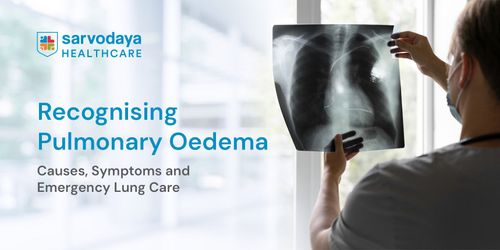
- Chest X-ray: Helps identify other lung conditions and may show signs of COPD, but cannot confirm the diagnosis alone.
- CT scan of the Chest: May help identify emphysema or assess other lung abnormalities when indicated.
- Pulse Oximetry / Arterial Blood Gas (ABG): Assesses blood oxygen levels and, in selected cases, carbon dioxide levels.
How Does Spirometry Help Diagnose COPD?
Spirometry is a lung function test used to measure how much air a person can exhale and how quickly they can breathe it out. It is a key test for confirming COPD when symptoms and exposure history suggest the possibility of the disease.
During the test, a person takes a deep breath and blows forcefully into a mouthpiece connected to a spirometer. The device records measurements that help the clinician assess airflow.
Spirometry commonly measures:
- Forced vital capacity (FVC): The total volume of air a person can forcefully exhale after taking a full breath.
- Forced expiratory volume in one second (FEV₁): The amount of air exhaled during the first second of a forced breath.
- FEV₁/FVC ratio: The proportion of the total forced breath exhaled during the first second.
A doctor may recommend the test for people with persistent breathlessness, chronic cough, mucus production or significant exposure to tobacco smoke, pollution or occupational irritants.
COPD Prevention and Lung Health: Practical Steps for Every Age
Although not every cause of COPD can be prevented, reducing harmful exposures and managing respiratory conditions early can help protect lung health.
- Stop Smoking and Avoid Tobacco Exposure
- Reduce Exposure to Air Pollution
- Improve Indoor Air Quality
- Manage Asthma and Other Respiratory Conditions
- Stay Physically Active
- Follow Recommended Vaccinations
- Seek Medical Advice Early
When Should You Consult a Pulmonologist for COPD?
A pulmonologist is a specialist who diagnoses and manages diseases affecting the lungs and respiratory system. Adults should consider consulting a pulmonologist when they experience:
- A cough that persists for several weeks or keeps recurring.
- Breathlessness during routine activities or physical exertion.
- Frequent wheezing or chest tightness.
- Regular mucus production, particularly with a history of smoking.
- Recurrent chest infections.
- Persistent respiratory symptoms following occupational or environmental exposure.
Sudden severe breathlessness, difficulty speaking because of breathing problems, bluish lips, or severe chest pain requires urgent medical attention rather than a routine outpatient appointment.
World COPD Day and Lung Health Care
World COPD Day 2026 highlights a vital message: early diagnosis and appropriate management can make a meaningful difference to the lives of people affected by chronic obstructive pulmonary disease.
Sarvodaya Hospital houses an advanced Centre for Pulmonology and Sleep Medicine with dedicated experts for lung health across people of all ages. From preventive tests to diagnosis, treatment, management and care, patients get comprehensive lung care under one roof.
Timely respiratory evaluation can help individuals understand persistent symptoms, identify possible risk factors and receive appropriate guidance on diagnosis and treatment.
This World COPD Day, make lung health a priority at every stage of life. Recognise the warning signs, reduce preventable exposures and seek professional guidance when breathing problems persist. If you have more doubts regarding COPD or you want more advice for maintaining lung health, consult with a pulmonologist and get timely solutions.