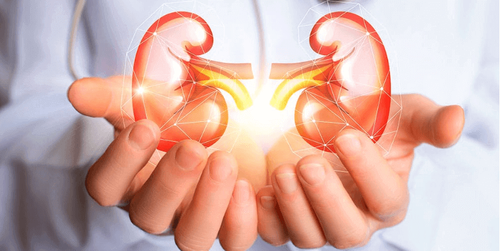


Men usually don’t talk about their health and often put it on the back burner, prioritising work, family responsibilities and other commitments over regular medical check-ups. They are also hesitant to talk about their problems, mostly when it is related to the bladder, changes in the testicles, prostate and reproductive health.
However, ignoring persistent symptoms, especially related to the prostate and urinary health, changes in the testicles or other unusual signs can delay the diagnosis of conditions that require timely medical attention.
Men’s Health Awareness Month, observed in November every year, highlights the importance of preventive healthcare, early diagnosis and informed health decisions for men. Also associated with the Movember movement, the month encourages conversations about prostate cancer, testicular cancer and other aspects of men’s physical and mental well-being.
19 November is also celebrated as International Men’s Day to highlight the importance of men and acknowledge their role in society.
Beyond renal health, raising awareness about men’s mental health is equally important. Chronic physical illnesses can significantly affect emotional well-being, often leaving men struggling with stress, anxiety, fear, and uncertainty about their health and future. However, societal expectations may discourage men from expressing their emotions or seeking psychological support. Recognising the connection between physical and mental health and encouraging open conversations are essential to ensuring holistic care for men.
In this blog, let us understand the common symptoms of potential renal problems and cancer in men, their warning signs, causes, the importance of timely diagnosis and their treatment.
What is Men’s Health Awareness Month?
Men’s Health Awareness Month is an annual awareness initiative observed in November to encourage men to prioritise their health, recognise potential warning signs and seek timely medical advice.
The Movember movement is particularly associated with raising awareness about prostate cancer, testicular cancer and men’s mental health.
The month serves as a reminder to:
- Understand common health concerns affecting men.
- Recognise early symptoms of urological conditions and cancers.
- Discuss prostate cancer screening with a doctor when appropriate.
- Seek medical advice for persistent urinary problems.
- Adopt healthier lifestyle habits and attend recommended health check-ups.
- Address mental health concerns without hesitation.
Men’s health awareness is not limited to cancer prevention. It also involves recognising changes in the body, managing existing health conditions and understanding when professional medical assessment is necessary.
Theme of International Men’s Day 2026
This year the theme for International Men’s Day is “The Future is Everyone”.
Why is Men’s Urological Health Important?
Men’s urological health affects urination, kidney function, bladder health, prostate function and aspects of reproductive health. Some urological conditions develop gradually, while others may cause sudden pain or noticeable changes.
Beyond the physical symptoms, these conditions can also affect mental well-being, contributing to stress, anxiety, embarrassment, and concerns about sexual health or quality of life.
Common urological concerns in men include:
- Benign prostatic hyperplasia (BPH), also known as an enlarged prostate
- Urinary tract infections and inflammation
- Kidney and urinary stones
- Prostate cancer
- Bladder cancer
- Kidney cancer
- Testicular cancer
- Blood in the urine
- Difficulty passing urine or incomplete bladder emptying
Not every urinary symptom indicates cancer, and many urological conditions are treatable. However, persistent or unexplained symptoms should not be ignored.
Early consultation with an experienced urologist can help identify the cause and determine whether medication, further investigations, a procedure or specialist cancer care is needed.
Prostate Health: What Every Man Should Know
The prostate is a small gland located below the bladder and in front of the rectum. It surrounds part of the urethra, the tube that carries urine out of the body, and produces fluid that forms part of semen.
As men age, the prostate may undergo changes that affect urinary function. Two important prostate conditions are benign prostatic hyperplasia, prostatitis and prostate cancer.
1. Enlarged Prostate (BPH)
Benign prostatic hyperplasia is a non-cancerous enlargement of the prostate that becomes more common with age. As the gland enlarges, it may press against the urethra and interfere with the flow of urine.
Common symptoms of an enlarged prostate include:
- Frequent urination, particularly at night
- Difficulty starting urination
- A weak or interrupted urine stream
- Dribbling after urination
- A feeling that the bladder has not emptied
- An urgent or frequent need to urinate
An enlarged prostate does not automatically mean prostate cancer. BPH and prostate cancer are different conditions, although some symptoms can overlap.
Consulting an expert doctor for an enlarged prostate can help with early diagnosis and timely treatment.
2. Prostate Cancer
Prostate cancer develops when cells in the prostate grow abnormally. Its growth rate varies: some cancers progress slowly, while others can be more aggressive.
One challenge with prostate cancer is that early-stage disease may not cause noticeable symptoms. This makes informed discussions about risk and screening important, particularly for men with relevant risk factors.
Possible prostate cancer symptoms include:
- Difficulty passing urine
- A weak urine stream
- Blood in the urine or semen
- Persistent pain in the back, hips or pelvis
- Erectile difficulties in some cases
These symptoms can also occur with non-cancerous conditions. Their presence does not confirm prostate cancer, and their absence does not rule it out. If you notice these signs, consult a prostate cancer doctor near you for early management of symptoms and treatment.
What are the Risk Factors for Prostate Cancer?
Important prostate cancer risk factors include:
- Age: The risk increases as men grow older.
- Family history: Having a father or brother with prostate cancer, particularly at a younger age, increases risk.
- Inherited genetic changes: Certain inherited mutations, including BRCA2, can increase risk.
- Other individual factors: A specialist may consider personal medical history and relevant population-level risk factors when assessing an individual's risk.
Prostate Cancer Screening: When Should Men Consider It?
Prostate cancer screening aims to identify possible disease before symptoms appear. Whether screening is appropriate depends on a man's age, family history, overall health and preferences.
Two tests that may be considered are:
- Prostate-Specific Antigen (PSA) Test
The PSA test is a blood test that measures the level of prostate-specific antigen, a protein produced by the prostate.
An elevated PSA level can be associated with prostate cancer, but it may also result from an enlarged prostate, inflammation or other factors. A normal PSA result does not completely exclude cancer.
- Digital Rectal Examination (DRE)
During this examination, a doctor gently examines the prostate through the rectum to assess its size and feel for abnormalities. It may be used as part of an evaluation when clinically appropriate.
Neither test can independently confirm prostate cancer. If results are concerning, the doctor may recommend additional investigations, such as imaging or a prostate biopsy.
Screening is not a one-size-fits-all recommendation. Men should discuss its potential benefits, limitations and possible follow-up procedures with their doctor before deciding.
Testicular Cancer Symptoms: Which Changes Should Men Notice?
Testicular cancer develops in one or both testicles and can occur in younger as well as older adult men. Recognising unusual changes and seeking prompt assessment are important parts of men’s health awareness.
Potential testicular cancer symptoms include:
- A lump or swelling in a testicle.
- An increase or change in the size of a testicle.
- A feeling of heaviness in the scrotum.
- Persistent aching or discomfort in a testicle or scrotum.
- A change in the usual firmness or feel of a testicle.
These symptoms can have non-cancerous causes, too. However, any new lump, swelling or persistent change should be medically assessed.
Urinary Symptoms in Men That Should Not Be Ignored
Changes in urination may result from prostate enlargement, infection, kidney stones, bladder conditions or other urological problems.
Men should consult a doctor if they experience:
- Persistent difficulty starting or maintaining a urine stream.
- Frequent urination or repeated waking at night to urinate.
- Burning or pain during urination.
- Blood in the urine.
- Recurrent urinary infections.
- A sensation of incomplete bladder emptying.
- Persistent pain in the lower abdomen, pelvis or sides of the back.
Blood in the urine deserves particular attention, even if it appears only once or is not accompanied by pain. It may have several causes, but urinary tract cancers are among the conditions that doctors may need to investigate.
Inability to pass urine, especially with a painful or swollen lower abdomen, requires urgent medical care.
Men should avoid self-medicating or assuming that persistent urinary problems are simply a normal part of ageing.
If you are searching online for the Best Urology Hospital in India, consider factors such as specialist expertise, diagnostic facilities, treatment options, multidisciplinary support and continuity of care.
Men’s Health Awareness and Cancer Prevention: What Can Men Do?
Not all cancers can be prevented, and lifestyle changes cannot eliminate every risk. However, healthier habits and timely medical consultations can support overall health and help identify potential problems earlier.
Practical steps include:
- Know Your Family History
- Do Not Ignore Persistent Symptoms
- Discuss Screening Based on Individual Risk
- Maintain a Healthy Lifestyle
- Attend Recommended Health Check-Ups
- Speak Openly About Health Concerns
Final Takeaway for Men’s Urological Care
Men’s Health Awareness Month 2026 reinforces a simple but important message: looking after your health includes recognising changes, understanding personal risk factors and seeking medical advice when needed.
It is an opportunity to take symptoms seriously and seek appropriate medical guidance rather than postponing care.
At Sarvodaya Hospital, we have a dedicated urologists and uro-oncologists from whom patients can seek consultation for urological concerns and medical evaluation based on their symptoms and individual needs. Depending on the clinical findings, the treating team can advise on investigations, treatment options or referral for specialised cancer care.
We house advanced technologies like AI-powered smart surgical robots for minimally invasive urological surgeries, 3T MRI and 4D PET CT for high-end diagnosis, advanced radiation therapy and nuclear therapy for prostate cancer and more.
Not every symptom indicates a serious disease, but persistent or unexplained changes deserve attention. A timely consultation can help clarify the cause of a concern and guide appropriate care.