

Constant knee pain can make it hard to walk, climb stairs or even get up from a chair.
If the joint is very badly damaged by arthritis and other treatments are not helping, knee replacement may be an option to restore movement.
In this blog, we explain robotic vs traditional knee replacement, including how each surgery works, their differences in accuracy and recovery, and the factors that can help patients choose suitable treatment.
Understanding Knee Replacement Surgery
In knee replacement surgery, the orthopaedic surgeon will remove cartilage and a portion of bone from the knee. Worn surfaces of joints are replaced with artificial metal parts and a hard plastic insert. This decreases rubbing and friction and enables easier motion.
A replacement can be for the entire joint or just the affected area. The goals of both the traditional knee replacement and robotic-assisted surgery are to relieve pain and increase mobility. The main difference is how the surgeon plans the surgery and positions the implant.
How Traditional Knee Replacement Works
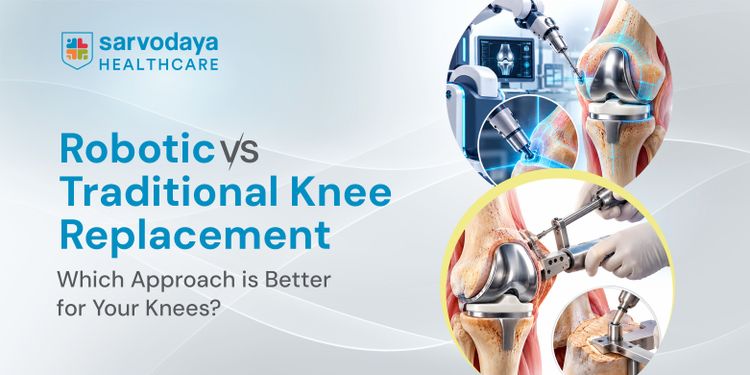
Typically, the surgeon prepares the bone for a traditional knee replacement using X-rays, standard surgical tools, and a special guide. The surgeon then puts in the artificial parts, examines the alignment and checks how the knee moves when flexed and extended.
This is a time-tested technique that has proven to be effective. The success of this surgery depends on careful planning, the surgeon's experience, the patient's condition and rehabilitation. For many patients, traditional surgery remains an effective option, especially when robotic assistance is unavailable or unsuitable.
How Robotic Knee Replacement Works
Robotic knee replacement is a combination of the surgeon's experience, the computer's planning, and the robotic technology. A CT scan or measurements taken during surgery, depending on the system, are used to make a three-dimensional model of the knee. This helps the surgeon plan where to make bone cuts and how to position the implant according to the patient's knee structure.
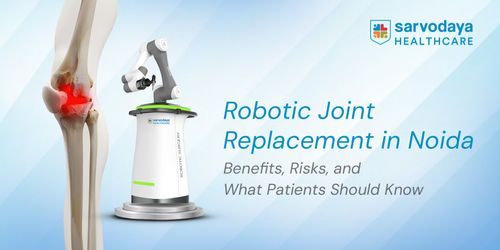
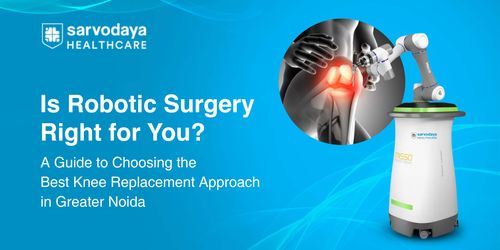
Robotic assisted knee replacement involves the use of the robotic system to plan and/or execute bone preparation under the surgeon's control and supervision. The surgeon is responsible for the surgery performed and will still determine the placement of the implant and balance of the joints. The robot is not capable of diagnosing the problem or carrying out the whole surgery on its own.
Key Differences Between the Two Approaches
In both surgeries, the damaged surfaces of the joints are replaced; the tools that are used to direct the surgeries are different. It's important to know these practical distinctions so your surgeon's input will be more helpful.
The main differences are outlined below:
- Surgery Planning: Traditional surgery uses X-rays and standard measurements for planning. A detailed, three-dimensional plan can be created and added to robotic surgery, specifically for the knee.
- The Positioning of Implants: Both methods depend on surgical skill. The use of robotic guidance can help to minimise small variations in positioning and alignment.
- Bone Preparation: Traditional surgery uses manual instruments and guides to prepare the bone. Robotic systems help the surgeon make controlled cuts according to the surgical plan.
- Soft Tissue Protection: Robotic guidance can help prevent unnecessary soft tissue disturbance, but is dependent on the technique used.
- Recovery: Recovery is similar for both, with pain management and physiotherapy being necessary. Some patients may regain movement sooner after robotic surgery, but faster recovery is not guaranteed.
- Cost: Specialised equipment and planning requirements may drive up the cost of robotic surgeries. This depends on the hospital and implant.
Accuracy and Potential Benefits of Robotic Surgery
One of the main robotic knee surgery benefits is better control over bone preparation and implant placement. The new joint moves more freely and provides proper weight distribution when it's well aligned.
Robotic planning can be helpful when an unusual knee structure or deformity makes implant positioning difficult.
Here are some other possible benefits:
- Personalised Planning: The surgical plan is dependent on the size, shape and condition of the patient's knee.
- Real-Time Guidance: Consistent measurements assist the surgeon in comparing the intended and actual position of the implant.
- Tissue Preservation: There may be less unnecessary damage to surrounding healthy tissues if the preparation is controlled.
- Less Early Discomfort: Patients may experience less discomfort initially, making it easier to begin walking exercises.
Recovery After Knee Replacement
Robotic knee replacement recovery is generally similar to recovery after traditional surgery. Patients are then encouraged to stand and start walking with assistance as soon as it is medically safe after surgery.
Physiotherapy is used to restore bending, straightening and strength.
The following are typical stages of recovery:
- First Few Days: Pain and swelling are managed, and patients are taught to walk with a walker or other support.
- First Few Weeks: Regular exercise increases mobility and confidence in performing everyday activities.
- Six to Twelve Weeks: Many patients can return to more of their usual daily activities, depending on their progress.
With consistent rehabilitation, strength, flexibility and comfort may be further enhanced after the first few months.
The robotic knee surgery recovery time is dependent on age, fitness, joint condition and other medical issues. While a robotic method can help patients make early progress in some cases, the rehabilitation plan is key in either surgery.
Suitability for Robotic and Conventional Surgery
Surgery is usually considered when knee pain and stiffness do not improve with medication, exercise, physiotherapy or other appropriate treatments. Whether joint replacement is indicated is determined by X-rays, joint movement and overall health and goals.
Robotic knee replacement might be especially beneficial for patients who have unique anatomy or a considerable deformity where detailed planning can be used to address these conditions. Other patients may achieve equally good results with conventional surgery.
The decision is not made based on age alone. An experienced orthopaedic surgeon should discuss with the patient which is the most appropriate approach in the situation and the likely outcome.
Risks and Long-Term Results
All knee replacements have risks such as infection, blood clots, stiffness, nerve damage and gradual loosening of the implant. There are also a number of special factors to consider with robotic systems, depending on the equipment, such as extra imaging or small navigation pins in the bone.
These risks cannot be completely removed by either method. While there are more planning tools available with modern knee replacement technology, currently there is no clear evidence that using robotic surgery will lengthen the life of a knee replacement for everyone.
The quality of the implant, its placement, the patient's activity level and follow-up care are all important. Today, most knee replacements last for many years.
Choosing the Right Surgeon and Hospital
The selection should be made for more than just the robot's availability. Ask about your surgeon's experience, the expected benefits for your knee, available implants, risks, costs and rehabilitation support.
A reliable robotic knee replacement surgery hospital should not guarantee a painless surgery, nor any fixed date for recovery.
When someone is considering robotic knee replacement in Noida, they might want to know what kind of robotic system is used and if it is suitable for them.
Conclusion
Choosing between robotic vs traditional knee replacement depends on joint damage, medical needs and personal expectations. Robotic assistance can improve planning and implant positioning, while conventional surgery remains an effective, established option. The aim of either surgery is meaningful pain relief and better mobility.
At Sarvodaya Hospital, specialists provide robotic knee replacement and conventional joint replacement care, supported by surgical planning and physiotherapy. Its robotic knee replacement in Faridabad uses advanced systems to assist with accurate bone preparation and implant alignment. Compared with traditional methods, this may allow more personalised positioning and less unnecessary tissue disturbance in suitable patients.
If knee pain is limiting your everyday life, consult an orthopaedic specialist to understand your options. To discuss the benefits, limitations and likely recovery of each surgery, book an appointment now at Sarvodaya Hospital.