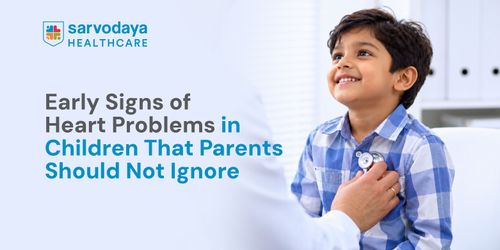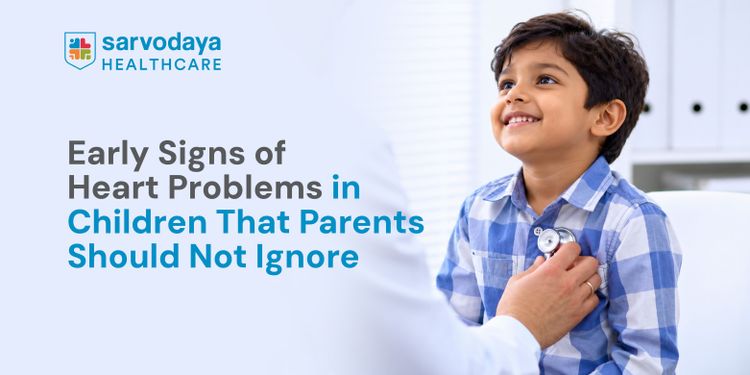


Children are naturally active. They play games and other sports and sometimes complain of discomfort. While these experiences are normal, certain changes in children may also be signs and symptoms of heart-related conditions.
Heart defects in children may be present from birth or develop later in childhood. Parents can seek medical care for their children to prevent more serious heart problems by being aware of potential signs and symptoms.
In this blog, we discuss the common signs of heart problems in children, how these symptoms may appear at different ages, and when parents should consult a paediatric cardiologist.
Understanding Heart Problems in Children
Heart problems and other conditions may limit blood flow and oxygen to other areas of the body, particularly during exercise.
Heart disease in children can be congenital or acquired. Congenital defects are structural abnormalities of the heart that are present at birth. Acquired heart diseases that can occur in children include abnormalities of the heart muscle, valves, and electrical system.
Some congenital heart defects are mild and don't require additional treatment besides monitoring. Other medical and surgical treatments are available for congenital heart defects. Many children with congenital heart defects don’t have obvious symptoms.
Common Signs of Heart Problems in Children
Symptoms of heart disease in children vary by age and specific heart condition. Infants with heart conditions may have difficulty feeding. Younger and older children with heart conditions may have difficulty exercising.
The following are some of the most commonly observed symptoms that parents should not ignore:
- Breathlessness: Getting unusually breathless during routine activities, playing or walking may suggest that the heart is struggling to meet the body's oxygen requirements.
- Excessive Tiredness: Children who regularly become exhausted sooner than their peers may need evaluation, particularly when fatigue occurs with other symptoms.
- Fast Breathing: Persistent rapid breathing, especially while resting, can sometimes indicate that the heart is working harder than normal.
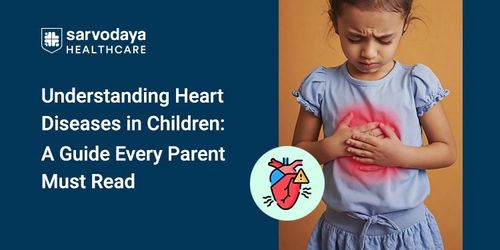
- Chest Pain: Although chest pain in children is rarely caused by heart disease, pain during exercise or accompanied by fainting requires medical assessment.
- Rapid or Irregular Heartbeat: A noticeably racing, pounding or irregular heartbeat may indicate a disturbance in the heart's rhythm.
- Fainting or Dizziness: Losing consciousness during exercise can be a warning sign of an underlying cardiac condition.
- Blue Lips or Tongue: A bluish colour may indicate reduced oxygen levels in the blood and requires immediate medical attention.
Respiratory infections, asthma, dehydration and other conditions can cause similar problems. However, persistent or unexplained symptoms should be assessed.
Warning Signs of Heart Problems in Babies
Paediatric heart conditions in infants are hard to diagnose because infants cannot describe their symptoms. Other signs of heart conditions in infants include poor feeding or weight gain and breathing difficulties.
Some red flags are particularly important during infancy.
Some signs that may suggest an underlying heart condition include:
- Difficulty Feeding: The baby may repeatedly pause during feeding, breathe heavily or struggle to finish feeds.
- Excessive Sweating: Sweating around the forehead during feeding, particularly with breathlessness, may indicate increased effort.
- Poor Weight Gain: Babies with certain heart defects may struggle to gain weight because feeding requires additional energy.
- Rapid Breathing: Breathing unusually fast even while resting or sleeping may require evaluation.
- Bluish Skin Colour: Blue lips or tongue can indicate inadequate oxygen levels.
These signs are not always caused by heart problems in kids, but they should not be dismissed as normal feeding difficulties.
Changes in Physical Activity and Exercise Tolerance
A key sign of heart problems in children is a change in behaviour during routine activities.
For instance, your child may take more breaks while playing than before. Other signs include avoiding running and complaints of tiredness or inability to keep up with other children.
Variations in fitness are normal․ Decreasing fitness should be monitored. Children with certain heart conditions often exhibit symptoms of heart disease, such as shortness of breath and dizziness with exertion.
Parents should watch for persistent patterns of activity-related symptoms that are relieved by rest.
Understanding Heart Murmurs in Children
A heart murmur is an abnormal sound heard when a doctor listens to a child's heartbeat with a stethoscope. Most heart murmurs in children are harmless and caused by blood moving through the heart.
However, some heart murmurs in children are associated with heart disease, particularly in children who are not growing as expected and have other symptoms, including difficulty exercising or breathing.
A paediatrician can recommend an echocardiogram, an imaging test using ultrasound to evaluate heart function.
The doctor decides whether further tests are needed based on the type of murmur, the child's symptoms and the findings of the physical examination.
When Heart Symptoms Require Emergency Attention
Although many paediatric heart problems can be evaluated during scheduled appointments, certain symptoms require immediate medical care.
Parents should be familiar with warning signs that may indicate a serious problem.
Seek emergency medical attention if a child experiences:
- Blue or grey lips or tongue
- Severe breathing difficulty
- Fainting during exercise
- Chest pain with collapse, fainting or severe breathlessness
- Sudden unresponsiveness or difficulty waking
These symptoms may indicate a serious cardiac or respiratory condition. Do not wait for them to resolve without medical assessment.
Diagnosis of Heart Problems in Children
When diagnosing heart problems in children, doctors review the child's medical history, including symptoms and family history.
They may check other indicators, such as breathing, oxygen levels, heartbeat and sounds from the heart.
Depending on the findings, investigations may include:
- Electrocardiogram (ECG): Records the heart's electrical activity and helps identify abnormal heart rhythms.
- Echocardiogram: Uses ultrasound to examine heart chambers, valves and blood flow.
- Chest X-Ray: May help assess heart size and identify changes affecting the lungs.
- Pulse Oximetry: Measures oxygen saturation in the blood using a small sensor.
- Holter Monitoring: Records heart rhythm over a longer period when intermittent abnormalities are suspected.
Treatment and Management of Childhood Heart Problems
Treatment options depend on the specific diagnosis, its severity and a child’s overall health.
Some heart conditions can be treated using catheter-based surgeries without the need for open-heart surgery. A catheter is a long, thin tube placed in a blood vessel leading to the heart. Some catheter surgeries offer alternatives to open-heart surgery.
More serious types of congenital heart defects may require surgery. Advances in treating children with heart defects mean many children can participate in everyday activities with medical follow-up.
Conclusion
Knowing about heart defects in children is important because signs and symptoms of heart problems in children may be mistaken for tiredness or breathing difficulties. If parents understand changes in activity, eating and growth, and breathing, they can assess when their child requires additional medical care.
At Sarvodaya Hospital, Faridabad, the Paediatric Cardiology and Cardiac Surgery Centre provides specialised diagnosis and treatment for congenital and acquired heart conditions in children. Experienced paediatric cardiologists and cardiac surgeons offer personalised treatment plans, including minimally invasive surgeries where suitable.
If your child experiences persistent breathlessness, unexplained fatigue or other concerning symptoms of heart disease in children, consult a paediatric cardiologist. Get started by booking an appointment now.