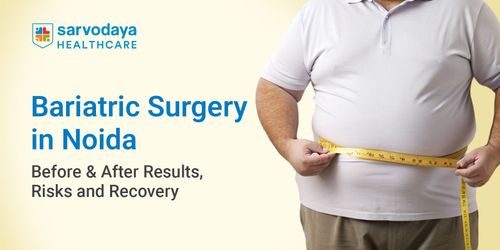

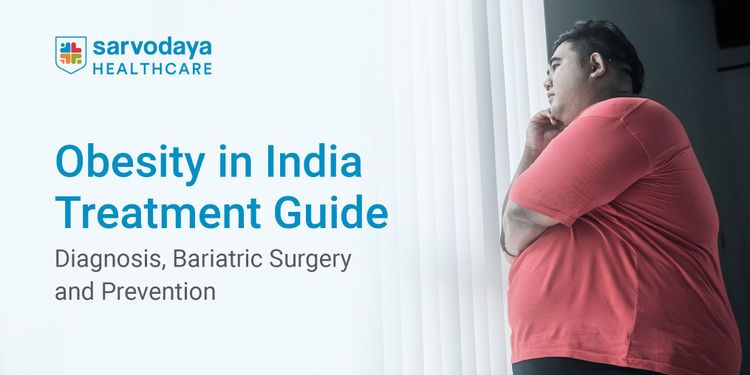


Obesity in India has emerged as a significant public health concern over the past two decades. Rapid lifestyle changes, sedentary work patterns, processed food consumption and rising stress levels have contributed to a steady increase in obesity in India across all age groups.
In this blog, we explore the rising prevalence of obesity in India, the common causes of obesity, and medically supervised, safe weight-loss strategies.
Understanding Obesity in India
Obesity in India is defined as an excessive accumulation of body fat that increases the risk of health complications. It is commonly assessed using body mass index, where a BMI of 25 or above indicates overweight, and 30 or above indicates obesity. However, in Asian populations, health risks often begin at lower BMI values, making early identification especially important in cases of obesity in India.
The rising prevalence of obesity in India is linked to nutritional transitions, decreased physical activity and urbanisation. With appropriate medical guidance, including consultation through general surgery in Delhi NCR, patients can receive a comprehensive assessment and personalised treatment planning.
Obesity Causes in the Indian Population
The rise of obesity in India is not attributed to a single factor. Instead, multiple biological, behavioural and environmental influences contribute to increasing body weight.
The following are the primary causes of obesity contributing to obesity in India:
- Sedentary Lifestyle: Desk-based jobs, long commuting hours, and reduced physical activity are major causes of obesity in urban regions. Limited daily movement significantly increases the burden of obesity in India.
- Unhealthy Dietary Patterns: High intake of refined carbohydrates, fried foods, and sugary beverages remains one of the most common obesity causes. Frequent consumption of calorie-dense food accelerates fat accumulation.
- Genetic Predisposition: Family history plays an important role in obesity risk factors. Individuals with genetic susceptibility may develop obesity symptoms even with moderate calorie intake.
- Hormonal Imbalance: Conditions such as hypothyroidism and polycystic ovarian syndrome contribute to obesity and make weight loss more challenging without medical supervision.
Obesity Symptoms and Early Warning Signs
Many individuals overlook early obesity symptoms, assuming weight gain is only a cosmetic concern. However, obesity in India is a medical condition that affects multiple organ systems.
Common obesity symptoms include the following:
- Excess Body Fat Accumulation: Visible and measurable fat distribution around the abdomen, hips, and thighs is one of the primary obesity symptoms observed in India.
- Breathlessness During Mild Activity: Difficulty in climbing stairs or walking short distances is a concerning sign linked to obesity risk factors affecting heart and lung function.
- Persistent Fatigue: Constant tiredness is a common obesity symptom, often resulting from metabolic strain.
- Joint and Back Pain: Excess weight places pressure on joints, leading to early osteoarthritis, which is increasingly seen in cases of obesity in India.
- Menstrual Irregularities in Women: Hormonal disturbances related to obesity may result in irregular cycles and fertility issues.
Obesity Risk Factors and Health Complications
Many advanced obesity symptoms are directly linked to unmanaged obesity causes and prolonged excess fat accumulation.
The following medical concerns are strongly associated with obesity in India:
- Type 2 Diabetes Mellitus: One of the most serious obesity risk factors is insulin resistance. Rising cases of diabetes are closely linked to increasing obesity in India.
- Hypertension: Excess body weight strains blood vessels, increasing blood pressure. This is a major consequence of persistent causes of obesity.
- Heart Disease: Cardiovascular disease remains a leading complication of obesity in India, particularly when obesity symptoms are ignored.
- Fatty Liver Disease: Accumulation of fat in liver cells is a growing concern linked to modern obesity causes.
- Polycystic Ovarian Syndrome: Hormonal imbalance in women is one of the significant obesity risk factors, often worsening reproductive health.
- Osteoarthritis: Joint degeneration develops due to prolonged mechanical stress caused by excess weight.
- Certain Cancers: Some malignancies have been associated with long-standing obesity in India, particularly when lifestyle-related obesity causes are not addressed.
Safe Weight Loss Tips Backed by Medical Guidance
While quick-fix diets and unverified supplements may appear appealing, sustainable weight reduction depends on addressing the root cause of obesity and modifying lifestyle habits.
The following strategies are recommended for safe management of obesity in India:
- Adopt a Balanced, Portion-Controlled Diet: Reducing refined carbohydrates and increasing fibre intake can help counter common obesity causes.
- Engage in Regular Physical Activity: At least 150 minutes of moderate-intensity exercise per week reduces major obesity-related risk factors and improves cardiovascular health.
- Manage Stress Effectively: Stress management through mindfulness or counselling addresses behavioural factors that contribute to obesity.
- Medical Evaluation and Monitoring: Consulting the most experienced general surgeon in Noida ensures that treatment plans are tailored to individual needs.
- Bariatric Surgery for Severe Obesity: For individuals with severe obesity in India who do not achieve results through lifestyle modification, bariatric surgery may be recommended by a qualified bariatric surgeon.
- Robotic Bariatric Surgery with Advanced Precision: Robotic technology provides enhanced three-dimensional visualisation, greater surgical precision and improved control, supporting minimally invasive techniques. This results in smaller incisions, reduced blood loss, lower complication risk and faster recovery when performed by an experienced bariatric surgeon.
Conclusion
The rising burden of obesity in India highlights the urgent need for awareness, early diagnosis and structured treatment. Timely medical intervention plays a crucial role in safely mitigating health risks.
At Sarvodaya Hospital, Faridabad, a multidisciplinary team including experienced specialists and a qualified bariatric surgeon provides comprehensive care for obesity in India. From lifestyle counselling to advanced surgical options under the care of an expert general surgeon in Delhi NCR, patients receive personalised guidance. Sarvodaya Hospital also offers advanced robotic bariatric surgery for selected patients with severe obesity in India. Robotic technology enhances surgical precision, improves visualisation and supports minimally invasive techniques, leading to reduced pain, quicker recovery and improved safety outcomes when performed by an experienced bariatric surgeon.
Take a proactive step towards better health and book an appointment now for expert assessment and personalised care.