
Overview
Coronary Artery Bypass Surgery (CABG), also called Coronary Artery Bypass Grafting or Heart Bypass Surgery, is a surgical treatment used to restore blood flow to the heart when coronary arteries are significantly narrowed or blocked. During CABG, a healthy blood vessel from another part of the body is used to create a new pathway around the blocked artery.
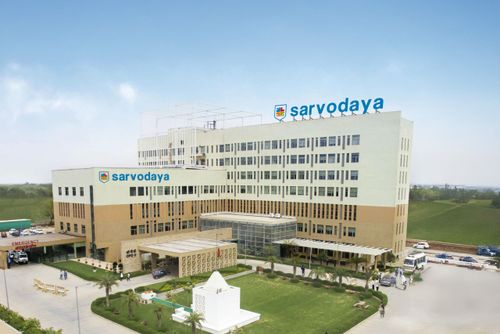
At Sarvodaya Hospital, we offer conventional open-heart bypass surgery as well as selected minimally invasive approaches, including off-pump or beating heart bypass surgery, based on the patient's condition and suitability. Our cardiac surgery team provides comprehensive evaluation, surgery, critical care, and rehabilitation for complex coronary artery disease.
Why CABG Surgery Is Required
CABG is recommended when coronary artery disease causes significant narrowing or blockage that limits blood supply to the heart. Surgery may be considered for patients with multi-vessel coronary disease, left main coronary artery disease, complex blockages, severe symptoms, or blockages that are not suitable for angioplasty and stenting.
Our cardiac team evaluates coronary angiography, heart function, symptoms, overall health, and other risk factors before deciding whether bypass surgery is appropriate. CABG may also be recommended when previous angioplasty or stent treatment has not provided adequate results.
Conditions Treated with CABG
CABG may be recommended for:
- Multi-vessel coronary artery disease
- Severe coronary artery blockages
- Left main coronary artery disease
- Complex or diffuse coronary blockages
- Recurrent symptoms despite medical treatment
- Selected patients unsuitable for angioplasty
- Severe coronary disease associated with other cardiac conditions
CABG Surgery Procedure
Before surgery, we perform a detailed cardiac evaluation, which may include coronary angiography, echocardiography, blood tests, chest imaging, and anaesthesia assessment.
During CABG Surgery, the cardiac surgeon uses a healthy blood vessel, commonly from the chest, arm, or leg, to create a bypass around the blocked coronary artery. This allows blood to reach the heart muscle through the newly created pathway.
CABG may be performed using a heart-lung machine (on-pump CABG) or, in selected patients, while the heart continues beating (off-pump or beating heart bypass surgery). The choice depends on coronary anatomy, overall health, and surgical requirements.
Minimally Invasive CABG Surgery
At Sarvodaya Hospital, we offer selected minimally invasive coronary bypass procedures through smaller chest incisions rather than conventional full chest opening. The approach is considered when the patient's coronary anatomy and overall condition are suitable.
Minimally invasive CABG can reduce surgical trauma, blood loss, post-operative discomfort, and scarring, while supporting earlier mobilisation and recovery. Sarvodaya also offers minimally invasive direct coronary bypass as part of its advanced cardiac surgery services.
Benefits of Minimally Invasive CABG
- Smaller Incisions: Smaller access points can reduce tissue trauma and visible scarring compared with conventional open surgery.
- Reduced Post-operative Pain: Limited surgical access may help reduce discomfort during the recovery period.
- Faster Mobilisation: Patients can often begin rehabilitation and movement earlier when clinically appropriate.
- Shorter Recovery: Selected patients may return to routine activities sooner than after conventional open-heart surgery.
- Reduced Blood Loss: Minimally invasive approaches can reduce surgical trauma and blood loss in suitable cases.
Technology and Infrastructure
Sarvodaya Hospital's cardiac surgical infrastructure includes advanced cardiac monitoring systems, heart-lung machines, high-definition imaging, cardiac catheterisation facilities, and specialised operating theatres. The hospital offers both on-pump and off-pump CABG, along with minimally invasive and robotic-assisted cardiac procedures for selected patients.
For surgical planning, our cardiac team may use echocardiography, cardiac catheterisation, coronary angiography, and CT imaging to assess coronary anatomy and determine the most appropriate surgical approach. Dedicated cardiac ICU and post-operative recovery facilities support close monitoring after surgery.
Benefits of CABG Surgery
- Restores Blood Flow to the Heart : CABG creates an alternative route around blocked coronary arteries, helping improve blood supply to the heart muscle.
- Relieves Angina Symptoms : Successful bypass surgery can reduce chest pain and improve exercise tolerance in appropriately selected patients.
- Useful for Complex Blockages : CABG can treat multi-vessel and complex coronary artery disease when angioplasty may not be suitable.
- Supports Long-term Heart Health : When combined with medication, cardiac rehabilitation, and lifestyle changes, CABG can provide durable relief from symptoms and improve quality of life.
- Offers Different Surgical Approaches : Depending on the patient's condition, the cardiac team may consider on-pump, off-pump, beating-heart, or selected minimally invasive techniques.
Post-Treatment Lifestyle Modifications
- Follow Cardiac Rehabilitation : Participate in a structured rehabilitation programme to gradually rebuild strength, improve fitness, and support long-term heart health.
- Take Medicines as Prescribed : Continue prescribed medicines for blood pressure, cholesterol, blood thinning, or other cardiac conditions exactly as advised.
- Follow a Heart-Healthy Diet : Choose balanced meals with appropriate portions of vegetables, fruits, whole grains, and other heart-healthy foods while limiting excess salt and unhealthy fats.
- Maintain Regular Physical Activity : Gradually increase physical activity according to medical advice and avoid strenuous exertion until your cardiac team confirms it is safe.
- Avoid Smoking and Tobacco : Avoid smoking and tobacco exposure because they increase the risk of further coronary artery disease.
- Attend Regular Follow-ups : Regular consultations help monitor recovery, heart function, risk factors, and long-term cardiovascular health.
Why Choose Sarvodaya Hospital for CABG Surgery?
- Experienced Cardiac Surgery Team : Our cardiac surgery team provides care for complex coronary artery disease and performs both conventional and advanced bypass procedures.
- On-pump and Off-pump CABG Expertise : We offer both traditional on-pump CABG and off-pump, beating heart bypass surgery according to individual patient requirements.
- Minimally Invasive Cardiac Surgery : Selected patients can benefit from minimally invasive coronary bypass techniques designed to reduce surgical trauma and support faster recovery.
- Advanced Cardiac Infrastructure : Our cardiac surgical services are supported by modular operation theatres, cardiac catheterisation facilities, advanced monitoring, critical care, and specialised recovery units.
- Comprehensive Cardiac Care : Cardiologists, cardiac surgeons, anaesthetists, intensivists, and rehabilitation specialists work together to provide coordinated care from diagnosis through recovery.