
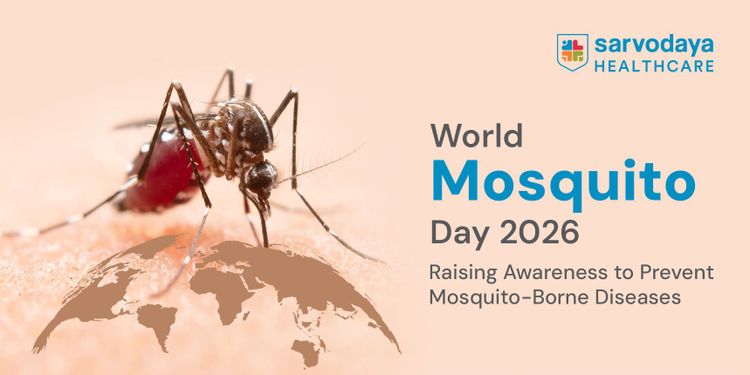


The tiny Mosquitoes are among the deadliest creatures in the world. Every year, millions of people are affected by mosquito-borne illnesses such as malaria, dengue, chikungunya, Zika virus infection, Japanese encephalitis and more. Some of these diseases can become severe and life-threatening. They also place a significant burden on public health systems, particularly in tropical and subtropical countries.
To highlight the role of mosquitoes in transmitting life-threatening diseases and raise awareness for prevention, safety and treatment, August 20 is observed as Annual World Mosquito Day.
In the following blog, let us explore and understand the importance of World Mosquito Day in disease prevention, symptom recognition and learn how simple actions can save lives.
World Mosquito Day Theme 2026
Though there is no official World Mosquito Day theme for 2026, the ideology behind observing this day in today’s time is to accelerate the fight against Malaria for a more equitable world where everyone can have access to malaria prevention, diagnosis and treatment.
Regardless of the annual theme, the message remains the same: preventing mosquito bites and eliminating mosquito breeding sites are among the most effective ways to reduce the spread of these illnesses.
What is World Mosquito Day?
World Mosquito Day commemorates the groundbreaking discovery made by British physician Sir Ronald Ross on 20 August 1897, when he proved that female Anopheles mosquitoes transmit malaria parasites from one person to another. His discovery transformed the understanding of malaria transmission and laid the foundation for modern mosquito control and malaria prevention strategies.
Today, the day is observed worldwide to spread awareness about mosquito-borne diseases, encourage preventive practices, and promote early diagnosis and treatment.
Why is World Mosquito Day Important?
Mosquito-borne diseases continue to affect millions of people every year. Climate change, rapid urbanisation, stagnant water, poor sanitation, and increased travel have expanded mosquito habitats, making prevention more important than ever.
World Mosquito Day aims to:
● Increase public awareness about mosquito-borne diseases.
● Promote effective mosquito prevention practices.
● Encourage early recognition of symptoms.
● Support vaccination and preventive healthcare where available.
● Highlight the importance of community participation in mosquito control.
● Promote research and innovation for better disease prevention and treatment.
Common Diseases Spread by Mosquitoes
Mosquitoes act as carriers (vectors) for several serious infections.
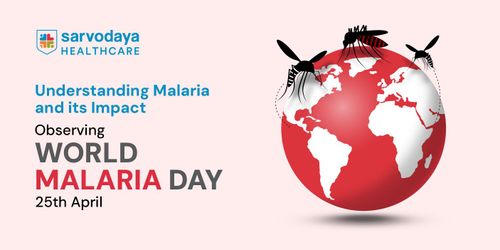
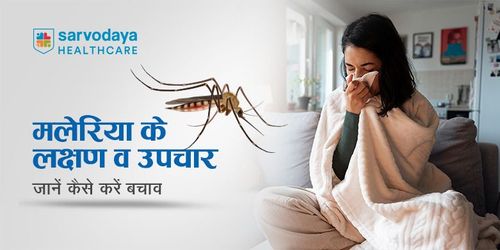
Malaria is caused by Plasmodium parasites transmitted through the bite of infected female Anopheles mosquitoes. It can become severe in some cases, especially when left untreated and can affect the brain, lungs, and kidneys.
Common symptoms include high fever, chills and shivering, sweating, headache, muscle pain, fatigue, nausea and vomiting.
Since Malaria can become life-threatening, raising awareness for malaria remains essential.
People living in or travelling to malaria-prone regions should seek medical attention immediately if they develop fever, chills, or flu-like symptoms after mosquito exposure. Early diagnosis through blood tests allows timely treatment and significantly improves outcomes.
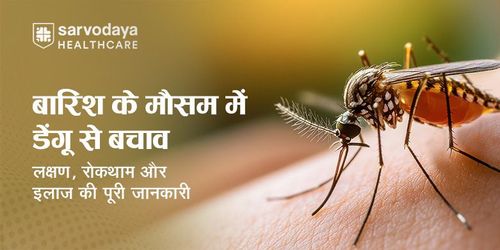
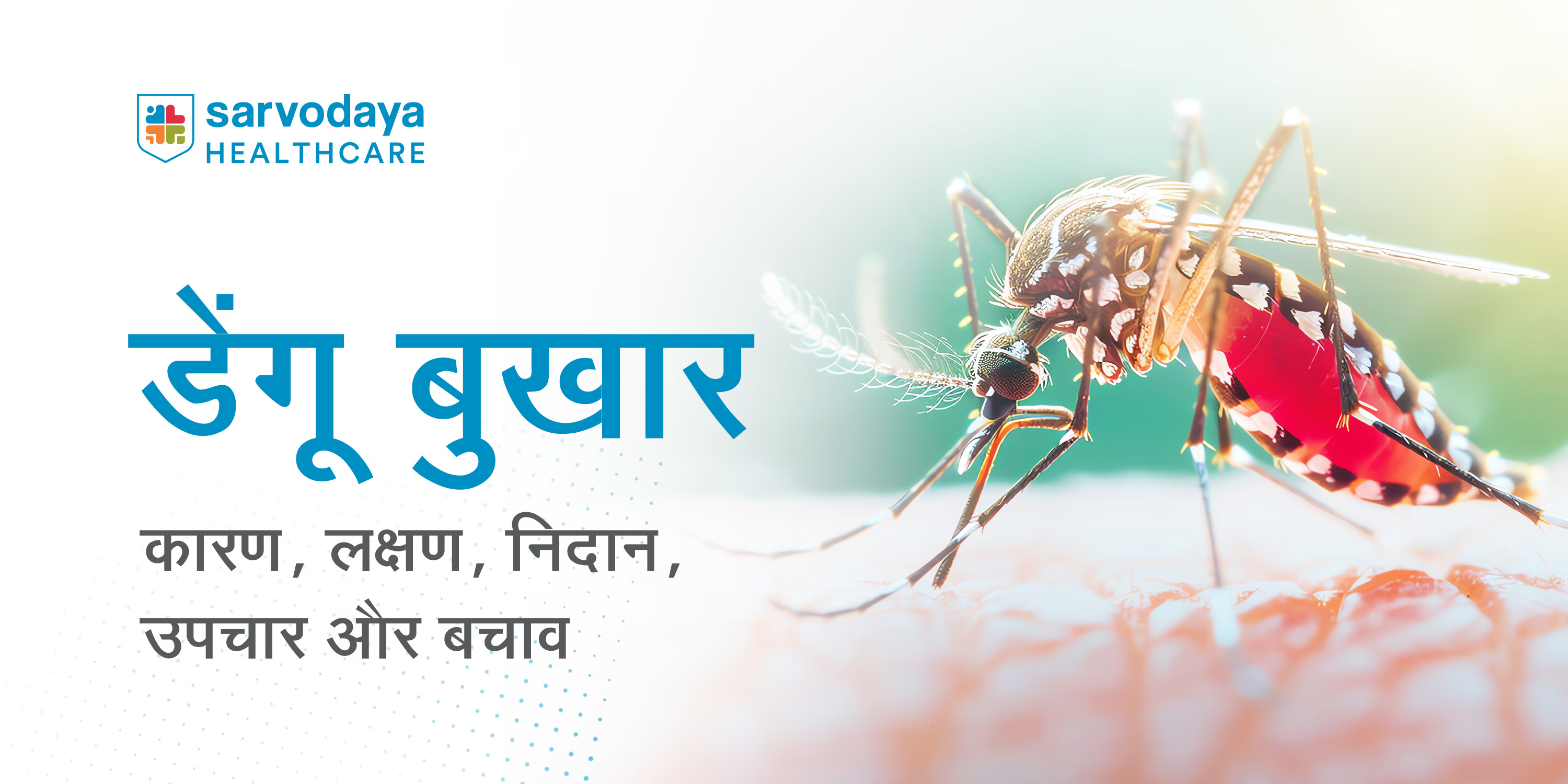
Dengue is a common disease transmitted by Aedes mosquitoes, which usually bite during the daytime. Severe cases of Dengue can result in bleeding, shock and organ failure.
The common symptoms of Dengue include sudden high fever, severe headache, pain behind the eyes, joint and muscle pain, skin rash, nausea and vomiting.
Community participation in raising awareness for Dengue prevention is essential because Aedes mosquitoes breed in clean, stagnant water commonly found around homes. It is important to empty water containers, cover water storage tanks, dispose of unused tyres, and keep drains free from blockages and more.
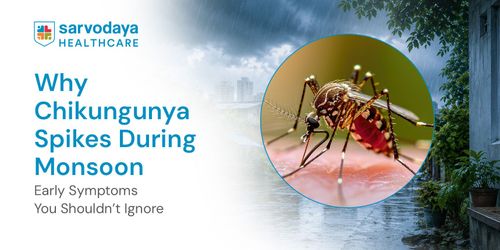
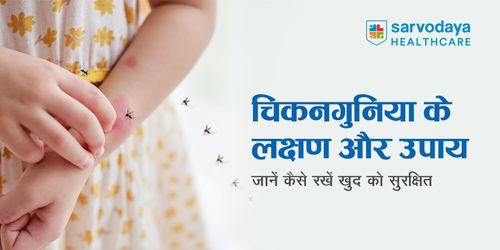
Chikungunya is a viral disease caused by the Chikungunya virus (CHIKV) and spreads to humans through the bite of infected Aedes mosquitoes. Some patients may experience persistent joint pain for weeks or even months.
The common symptoms include high fever, severe joint pain, muscle aches, rash and fatigue.
Zika Virus Disease
Although often mild, Zika infection during pregnancy may cause serious birth defects in babies.
Japanese Encephalitis
This viral infection affects the brain and can cause seizures, confusion, paralysis, and long-term neurological complications.
Malaria Vaccination: A New Milestone
One of the most significant developments in recent years has been the introduction of malaria vaccination for children in high-risk regions.
The World Health Organisation recommends malaria vaccines in selected endemic areas as part of a comprehensive malaria prevention strategy. However, vaccination does not replace mosquito control. Protective measures such as insecticide-treated bed nets, indoor spraying, and avoiding mosquito bites remain equally important.
How to Prevent Mosquito Bites?
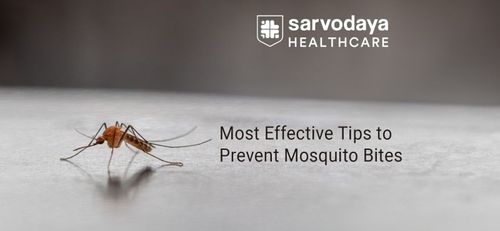
Learning how to prevent mosquito bites is one of the simplest and most effective ways to protect yourself and your family from diseases. By following some of the tips, you can ensure your safety:
● Wear full-sleeved clothing and long trousers.
● Use mosquito repellents on exposed skin.
● Sleep under insecticide-treated mosquito nets.
● Install window and door screens.
● Use mosquito coils or vaporisers as directed.
● Avoid outdoor activities during peak mosquito biting hours whenever possible.
● Eliminate stagnant water around your home.
● Keep your surroundings clean.
Mosquito Prevention Begins at Home
Effective mosquito prevention requires collective effort. It first begins at home. Together, if everyone contributes to the cause, the mosquitoes will be effectively reduced.
Communities can reduce mosquito populations by:
● Cleaning neighbourhoods regularly.
● Covering overhead water tanks.
● Maintaining drainage systems.
● Participating in local cleanliness drives.
● Reporting stagnant water accumulation.
● Supporting public health mosquito control programs.
Small actions taken consistently can prevent large outbreaks.
Recognising the Warning Signs of Infections
Many mosquito-borne illnesses begin with symptoms similar to viral fever. Seek immediate medical attention if you experience:
● High fever
● Severe headache
● Persistent vomiting
● Difficulty breathing
● Severe body pain
● Unusual bleeding
● Confusion
● Excessive weakness
● Reduced urine output
Early diagnosis and treatment reduce the risk of serious complications.
The Role of Awareness Campaigns
Awareness campaigns play a vital role in preventing mosquito-borne diseases as they help educate people, promote early medical consultation, reduce misinformation, and support vaccination programs.
These also help empower communities to take preventive measures and protect themselves and their surroundings from infestation and diseases.
Health education remains one of the most effective tools for reducing the burden of mosquito-borne illnesses.
Conclusion
World Mosquito Day 2026 reminds us that preventing mosquito-borne diseases is a shared responsibility. While advances such as malaria vaccination offer new hope, simple preventive measures like eliminating stagnant water, using mosquito repellents, sleeping under bed nets, and seeking timely medical care remain the foundation of disease prevention.
If you feel any unusual symptoms like persistent fever, vomiting, nausea and more, consult with doctors at Sarvodaya Hospital for early treatment. Mosquitoes infest more during monsoons, so it is imperative to be aware of the diseases, their symptoms and prevention methods.
Whether it is dengue prevention, malaria awareness, or learning how to prevent mosquito bites, every individual can contribute to creating healthier and safer communities. This World Mosquito Day 2026, let us pledge to protect ourselves, educate others, and work together to reduce the burden of mosquito-borne diseases.