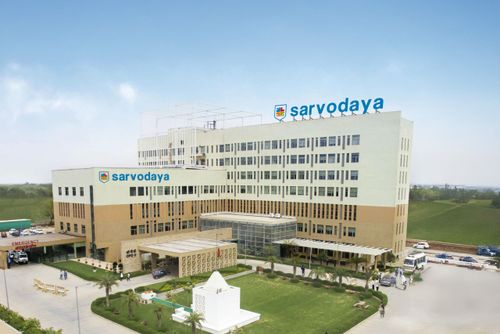

Overview
Coronary Angioplasty is a minimally invasive cardiac procedure performed to open blocked or narrowed coronary arteries that supply blood to the heart muscle. Also known as the coronary angioplasty procedure or angioplasty and stent placement, this treatment helps restore normal blood flow to the heart and reduce the risk of heart attack and cardiac complications.
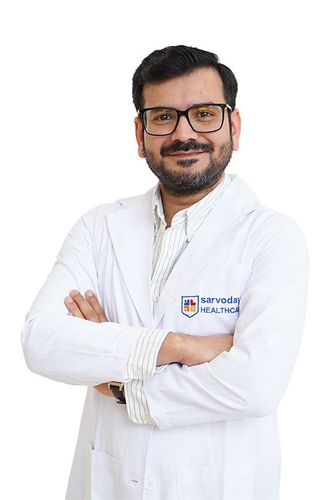
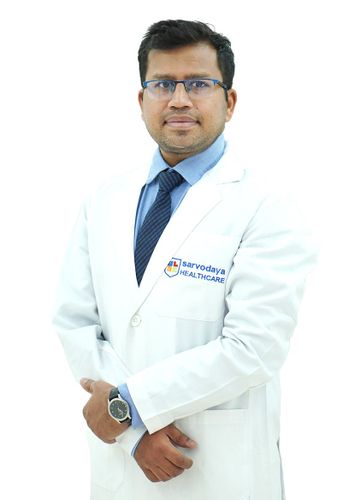
At Sarvodaya Hospital, we offer advanced angioplasty for heart blockage using catheter-based technology, precision imaging systems, and modern drug-eluting stents for effective cardiac care. Our experienced interventional cardiologists perform emergency and planned angioplasty procedures for patients with chest pain, heart attack, coronary artery disease, or severe arterial blockage.
As a trusted Best cardiology hospital in India, we provide complete cardiac diagnosis, emergency intervention, ICU care, rehabilitation, and long-term heart health management under one roof.
Why Is Coronary Angioplasty Required?
Coronary angioplasty is recommended when the coronary arteries become narrowed or blocked due to plaque buildup that restricts blood flow to the heart muscle. Reduced blood supply may cause chest pain, breathlessness, fatigue, irregular heartbeat, or heart attack.
At Sarvodaya Hospital, our cardiology team commonly performs angioplasty for conditions such as coronary artery disease, acute heart attack, unstable angina, multiple coronary blockages, and severe narrowing affecting heart function.
Early coronary angioplasty helps restore blood circulation, relieve symptoms, reduce heart muscle damage, improve heart function, and lower the risk of life-threatening cardiac emergencies.
Coronary Angioplasty Procedure
At Sarvodaya Hospital, the treatment process begins with a detailed cardiac evaluation, including ECG, echocardiography, blood tests, coronary angiography, and assessment of arterial blockage severity.
During the coronary angioplasty procedure, a thin catheter is inserted through a blood vessel in the wrist or groin and guided to the blocked coronary artery using advanced imaging systems. A small balloon is then inflated to open the narrowed artery and restore blood flow.
In most cases, angioplasty and stent placement are performed together. A specialised stent is placed inside the artery to keep it open and reduce the risk of future blockage. The procedure is minimally invasive and generally does not require major surgery.
Technology and Infrastructure
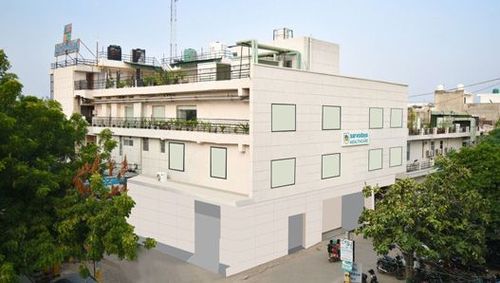
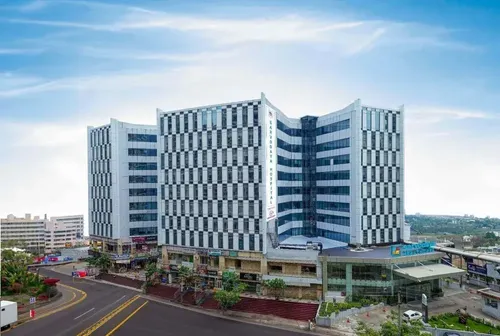
Sarvodaya Hospital offers advanced infrastructure for coronary angioplasty with modern cardiac catheterisation laboratories, high-resolution angiography systems, intravascular imaging technology, and advanced cardiac monitoring equipment.
Our hospital is equipped with emergency cardiac care units, hybrid cardiac intervention suites, advanced ICU facilities, and dedicated cardiac rehabilitation services to ensure safe treatment and recovery.
Our multidisciplinary cardiac care team includes experienced interventional cardiologists, cardiac anaesthetists, intensivists, rehabilitation experts, and emergency cardiac specialists who work together to provide comprehensive heart care.
Benefits of Coronary Angioplasty
- Minimally Invasive Heart Treatment: Coronary angioplasty treats blocked arteries without major open-heart surgery, reducing surgical trauma and recovery time significantly.
- Immediate Restoration of Blood Flow: The procedure quickly improves blood circulation to the heart muscle and helps reduce chest pain and cardiac symptoms.
- Reduced Risk of Heart Attack: Early angioplasty helps prevent permanent heart muscle damage and reduces complications associated with coronary artery blockage.
- Faster Recovery and Shorter Hospital Stay: Most patients recover quickly and resume routine activities earlier compared to traditional cardiac bypass surgery.
- Improved Heart Function and Quality of Life: Successful angioplasty improves physical activity, exercise tolerance, breathing comfort, and long-term cardiovascular health.
Post-Treatment Lifestyle Modifications
- Follow Regular Cardiology Follow-up Visits: Routine cardiac consultations and follow-up tests help monitor heart health and stent function after angioplasty treatment.
- Maintain Heart-Healthy Eating Habits: Balanced nutrition with reduced salt, cholesterol, and unhealthy fats supports long-term cardiovascular health and prevents future blockages.
- Continue Medications as Prescribed: Patients should continue blood thinners, cholesterol-lowering medicines, and cardiac medications exactly as advised by the cardiologist.
- Engage in Regular Physical Activity: Light exercise and supervised cardiac rehabilitation programmes help improve heart strength and overall recovery after angioplasty.
- Avoid Smoking and Excessive Alcohol: Smoking and excessive alcohol intake increase the risk of future coronary blockage and should be completely avoided after treatment.
Why Choose Sarvodaya Hospital for Coronary Angioplasty?
- Experienced Interventional Cardiologists: Our team includes highly experienced cardiologists skilled in emergency and complex coronary angioplasty procedures.
- Advanced Cardiac Catheterisation Technology: We use modern angiography systems, precision imaging, and advanced stent technology for safe and accurate cardiac intervention.
- Comprehensive Emergency Cardiac Care: We provide 24/7 emergency heart attack management, angioplasty services, ICU care, rehabilitation, and long-term cardiac support.
- Dedicated Cardiac ICU and Rehabilitation Support: Our specialised cardiac intensive care units and rehabilitation programmes help ensure safe recovery and improved heart health.
- Trusted Cardiology Hospital in India: Sarvodaya Hospital is recognised as a leading centre for advanced minimally invasive cardiac procedures and comprehensive heart care.