
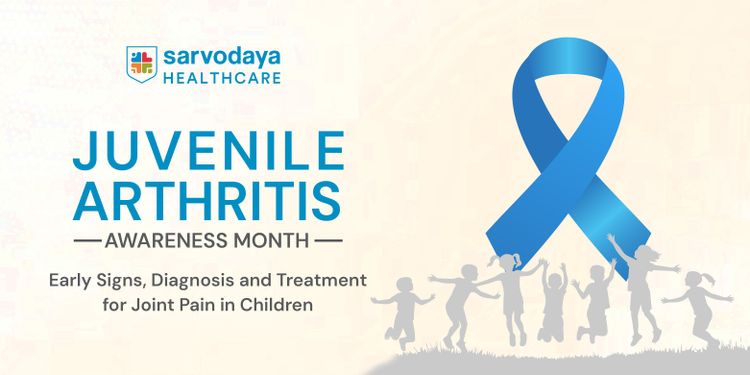


Juvenile Arthritis Awareness Month 2026 continues to focus on awareness, early diagnosis, timely treatment and support for children living with arthritis. While different organisations may run their own campaign messages, the broader purpose remains the same: helping children receive the right care before joint damage or growth-related complications develop.
The 2026 awareness focus can be understood as:
- Recognising Early signs of juvenile arthritis
- Understanding that Arthritis in children is real
- Encouraging parents to seek medical advice for persistent joint pain
- Supporting children physically, emotionally and socially
- Improving access to specialist-led Paediatric arthritis treatment
- Helping children continue school, play and daily activities safely
This focus is important because many children with juvenile arthritis can do well when the condition is diagnosed early and managed properly.
What is Juvenile Arthritis?
Juvenile arthritis is a group of inflammatory joint conditions that affect children. It causes pain, swelling, stiffness and reduced movement in one or more joints. In some children, it may also affect the eyes, skin or other parts of the body.
The most common type is Juvenile idiopathic arthritis, also known as JIA. “Juvenile” means it begins in childhood, “idiopathic” means the exact cause is not clearly known, and “arthritis” means joint inflammation.
Juvenile arthritis is not the same as ordinary pain after play or minor injury. It is an inflammatory condition where the immune system becomes overactive and affects the joints. Because children are apparently expected to explain complex immune activity between homework and lunch boxes, parents need to watch for signs carefully.
What Causes Juvenile Arthritis?
The exact cause of juvenile arthritis is not fully known. In many children, it develops when the immune system mistakenly attacks healthy joint tissues, causing inflammation.
Possible contributing factors may include:
- Immune system changes
- Genetic tendency in some children
- Environmental triggers
- Previous infections in selected cases
- Family history of autoimmune disease
Juvenile arthritis is not caused by poor parenting, cold food, lack of calcium alone or normal childhood activity. These myths only delay care, which is the one thing nobody needs.
Early Signs of Juvenile Arthritis
The Early signs of juvenile arthritis can be mild in the beginning. Some children may not complain of pain directly. Instead, parents may notice changes in movement, mood or routine.
Common early signs include:
- Joint pain lasting for several days or weeks
- Swelling around one or more joints
- Morning stiffness
- Limping, especially after waking up
- Difficulty climbing stairs or running
- Avoiding play or physical activity
- Pain after rest or sleep
- Warmth around the affected joint
- Reduced movement in the joint
- Tiredness or low energy
Some children may also develop fever, rash or eye inflammation, depending on the type of juvenile arthritis. Eye inflammation may not always cause pain, so regular eye check-ups may be advised in some children with JIA.
Child Joint Pain: When Should Parents Worry?
Child joint pain is common after injury, sports or active play. However, pain that keeps coming back or is associated with swelling and stiffness should be checked by a doctor.
Parents should take joint pain seriously if:
- Pain lasts more than a few days
- The child limps without clear injury
- A joint looks swollen or warm
- Stiffness is worse in the morning
- The child avoids using one arm or leg
- Pain disturbs sleep or daily activities
- The child has fever, rash or tiredness
- Pain keeps returning despite rest
Pain in children should not be dismissed as “growing pain” every time. Growing pain usually does not cause joint swelling, limping or morning stiffness. If these signs are present, medical evaluation is important.
Arthritis in Children: How It Affects Daily Life
Arthritis in children can affect more than joints. It may interfere with school, sports, handwriting, walking, sleep and confidence. A child may become less active because movement hurts or stiffness makes daily tasks harder.
Juvenile arthritis may affect:
- Walking and running
- Climbing stairs
- Sitting cross-legged
- Writing or holding objects
- Playing sports
- School attendance
- Sleep quality
- Growth and posture
- Emotional wellbeing
With timely Joint pain treatment for children, many children can continue normal activities with fewer symptoms and better joint function.
How is Juvenile Arthritis Diagnosed?
Juvenile arthritis diagnosis usually begins with a detailed clinical evaluation. The doctor may ask about pain, swelling, stiffness, fever, rash, eye symptoms, walking pattern and family history.
Tests may include:
- Physical examination of joints
- Blood tests to check inflammation markers
- Tests for autoimmune markers when needed
- X-ray to assess bone and joint changes
- Ultrasound or MRI in selected cases
- Eye examination to check for uveitis
- Assessment by a Paediatric Rheumatologist when required
There is no single test that confirms all types of juvenile arthritis. Diagnosis is based on symptoms, examination, test results and how long the joint inflammation has been present.
Early diagnosis helps doctors begin treatment before inflammation damages the joints.
Treatment Options for Juvenile Arthritis
Treatment for juvenile arthritis aims to reduce inflammation, control pain, prevent joint damage, protect growth and help the child stay active.
Common treatment options include:
Medicines
Medicines may be prescribed to reduce pain and inflammation. Depending on the severity and type of arthritis, doctors may recommend anti-inflammatory medicines, disease-modifying medicines or biologic therapies.
Physiotherapy and Exercise
Physiotherapy helps improve joint movement, muscle strength, posture and flexibility. Children may be advised safe exercises to keep joints active without overloading them.
Eye Monitoring
Some types of juvenile arthritis can affect the eyes. Regular eye check-ups may be recommended even when the child has no eye symptoms.
Lifestyle and Activity Support
Children are usually encouraged to stay active with guidance. Rest may be needed during flare-ups, but complete inactivity can make stiffness worse.
Long-term Follow-up
Juvenile arthritis may need regular monitoring. Doctors assess symptoms, growth, joint movement, medicine response and possible side effects.
The aim of Paediatric arthritis treatment is not only to reduce pain but also to protect the child’s long-term mobility and quality of life.
Can Juvenile Arthritis Be Cured?
There is no single permanent cure for all types of juvenile arthritis, but many children can achieve good disease control with timely treatment. Some children may go into remission, where symptoms become very mild or disappear for long periods.
The outcome depends on:
- Type of juvenile arthritis
- Number of joints affected
- Severity of inflammation
- Eye involvement
- Response to treatment
- How early treatment begins
- Regular follow-up and medicine adherence
With proper care, many children with juvenile arthritis can attend school, play, exercise and lead active lives.
When Should Parents Consult a Specialist?
Parents should consult a paediatrician, Child bone specialist or Paediatric Rheumatologist if joint pain, swelling or stiffness does not settle quickly.
See a doctor if the child has:
- Persistent joint pain
- Morning stiffness
- Limping after waking up
- Swelling in one or more joints
- Difficulty walking, running or playing
- Recurrent fever with joint symptoms
- Rash with joint pain
- Eye redness, pain or blurred vision
- Reduced movement of a joint
- Fatigue along with joint pain
If you are looking for a Child joint pain specialist in Faridabad, timely consultation can help identify whether the pain is due to injury, infection, arthritis or another condition.
Juvenile Arthritis Treatment at Sarvodaya Hospital
Juvenile arthritis requires careful evaluation because children may not always describe pain clearly. At Sarvodaya Hospital, children with joint pain, swelling, stiffness, limping or suspected arthritis receive specialist-led evaluation and coordinated care.
Juvenile arthritis treatment at Sarvodaya Hospital focuses on early diagnosis, inflammation control, joint protection and long-term follow-up. The care team may include paediatricians, orthopaedic specialists, rheumatology experts, physiotherapists and rehabilitation support depending on the child’s condition.
What Sarvodaya offers:
- Evaluation of persistent joint pain, swelling and stiffness in children
- Assessment for Arthritis in children and related inflammatory conditions
- Diagnosis support through blood tests, imaging and specialist consultation
- Care coordination with paediatric, orthopaedic and rheumatology experts
- Guidance for pain control, inflammation management and safe activity
- Physiotherapy and rehabilitation support for joint movement and strength
- Monitoring for growth, mobility and long-term joint health
- Support for parents to understand the condition and treatment plan
- Follow-up care for children needing long-term arthritis management
For families looking for a Paediatrics Hospital in Faridabad, Children's Hospital in Greater Noida West, Best Paediatrician in Faridabad, Best Paediatric Orthopaedic Surgeon or Paediatric Rheumatologist, Sarvodaya Hospital offers access to specialist care for children with joint pain, swelling and suspected juvenile arthritis.
Early consultation can help children receive the right Joint pain treatment for children and prevent avoidable complications.