
Overview
Fatty Liver Disease occurs when excess fat builds up in liver cells, affecting how the liver functions over time. It can develop silently and often begins with minimal symptoms, making early diagnosis essential. With timely care, most patients can reverse liver changes, improve energy levels and protect long-term liver health.
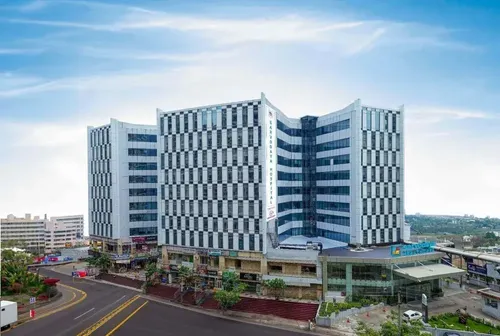
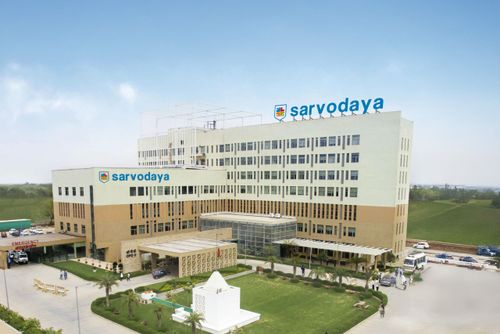
At Sarvodaya Hospital, we offer advanced fatty liver disease treatments led by expert specialists recognised among the best gastroenterologists in Delhi NCR, Faridabad and Noida. As the best liver hospital in India, we provide accurate diagnosis, personalised treatment plans and continuous guidance to help patients recover safely and confidently.
Symptoms of Fatty Liver Disease
- Persistent fatigue or general weakness
- Mild abdominal discomfort or heaviness
- Bloating or fullness after meals
- Unexplained weight gain
- Elevated liver enzymes on routine tests
- Mild nausea or digestive disturbances
- Difficulty concentrating or brain fog
- Pain in the upper right side of the abdomen
- Increased tiredness after meals
- No symptoms in many early-stage cases
Causes of Fatty Liver Disease
- Metabolic imbalance affecting liver function
- Obesity or high body weight
- Insulin resistance or diabetes
- Poor dietary habits or high-fat diets
- High cholesterol or triglycerides
- Hormonal changes
- Sedentary lifestyle
- Nutritional deficiencies
- Certain medicines or medical conditions
- Family history of metabolic diseases
Diagnosis of Fatty Liver Disease
Accurate diagnosis is essential to assess the extent of fat buildup, rule out complications and personalise treatment. At Sarvodaya Hospital, a trusted best gastroenterology hospital, we use advanced imaging and metabolic tests for clear evaluation.
- Liver Function Tests: Blood tests measuring enzyme levels to detect inflammation, assess liver stress and identify early signs of fatty liver progression or metabolic imbalance.
- Ultrasound Abdomen: A non-invasive scan that visualises liver fat, texture changes and early inflammation, helping doctors identify the severity of Fatty Liver Disease accurately.
- Elastography (Fibroscan): A modern scan measuring liver stiffness, helping detect early fibrosis or scarring associated with progressive Fatty Liver Disease.
- Metabolic Panel: Assesses cholesterol, glucose and hormonal balance, identifying metabolic issues that contribute to fat buildup in liver cells.
- MRI or CT Scan: High-resolution imaging offering detailed liver visuals, allowing precise evaluation of fat accumulation and structural changes.
- Nutritional & Endocrine Evaluation: Identifies nutritional deficiencies, hormonal imbalances and metabolic triggers supporting personalised treatment planning.
Treatment for Fatty Liver
- Medication-Based Therapy: Medicines that support liver function, stabilise enzymes, improve fat metabolism and reduce inflammation for safer long-term liver recovery.
- Nutritional Intervention: Diet plans created by nutrition experts to reduce fat accumulation, improve digestion and strengthen liver metabolism through balanced, targeted eating habits.
- Weight Reduction Programmes: Structured plans combining diet, exercise and medical guidance to reduce body fat, improving metabolic health and liver function significantly.
- Management of Related Conditions: Targeted care for diabetes, cholesterol imbalance and hormonal issues that contribute to liver fat buildup and inflammation.
- Lifestyle & Habit Modification: Guidance to improve sleep, diet and physical activity, helping maintain long-term liver health and prevent disease progression.
- Continuous Monitoring: Regular follow-ups, metabolic tests and imaging scans track improvements, allowing timely adjustments to treatment plans.
Prevention & Lifestyle Modification
Healthy habits play a major role in preventing Fatty Liver Disease and controlling its progression. Early lifestyle changes can significantly improve metabolic and liver health.
- Balanced Eating Habits: A nutrient-rich diet with vegetables, lean proteins and whole grains supports metabolism, reduces fat buildup and protects liver cells.
- Regular Exercise: Consistent physical activity boosts metabolism, burns excess fat and improves overall liver function naturally.
- Maintain Healthy Weight: Managing weight reduces liver strain, lowers inflammation and prevents fat accumulation in liver tissue.
- Limit Sugary & Fatty Foods: Reducing refined sugars and unhealthy fats prevents metabolic overload and helps stabilise liver health.
- Reduce Alcohol Intake: Avoiding alcohol protects liver cells and reduces the risk of inflammation or fatty liver progression.
- Scheduled Health Check-Ups: Routine testing helps detect early fat buildup and supports timely intervention for long-term liver protection.
Pre and Post Treatment Lifestyle Modifications
Pre-Treatment Modifications:
- Structured Meal Routine: Begin balanced meals at regular intervals to improve digestion, stabilise blood sugar and reduce strain on the liver before treatment.
- Hydration Support: Maintain adequate water intake to aid detoxification, support digestion and promote stable liver function.
- Gentle Daily Activity: Engage in light exercises like walking to enhance metabolism, increase energy levels and prepare the body for better treatment outcomes.
- Avoid Alcohol Completely: Stop alcohol consumption to protect liver cells, prevent inflammation and slow progression of fat accumulation.
- Consistent Sleep Cycle: Follow a steady sleep routine to reduce fatigue, balance hormones and support natural liver repair.
- Baseline Assessments: Undergo initial evaluations and share existing medications with your doctor to guide personalised treatment planning.
Post Treatment Modifications:
- Balanced Nutrition Continuation: Maintain structured meals to support metabolism, aid fat reduction and strengthen liver recovery.
- Adequate Hydration: Continue drinking sufficient water to support detoxification and improve digestive and metabolic function.
- Light Physical Activity: Resume gentle exercises under medical guidance to enhance stamina and support long term liver health.
- Alcohol Avoidance: Remain completely alcohol free to prevent liver inflammation and promote sustained recovery.
- Consistent Rest: Ensure proper sleep and relaxation to improve hormonal balance and reduce treatment related fatigue.
- Regular Follow Ups: Attend routine tests and consultations to monitor progress, fine tune treatment plans and maintain long term liver stability.