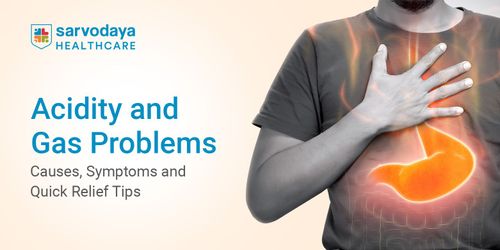


A burning feeling in the chest after a meal is easy to dismiss as acidity. However, if it persists or affects sleep or eating, it may need medical attention.
Occasional acid reflux is different from GERD, which causes recurring symptoms and may require medical treatment.
In this blog, we explain acidity and GERD, their causes and warning signs, and how doctors diagnose them. We also discuss treatment options, daily habits that may help and the foods to avoid for acidity when certain meals trigger discomfort.
Understanding Acidity, Acid Reflux and GERD
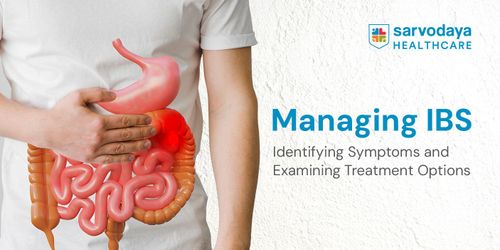
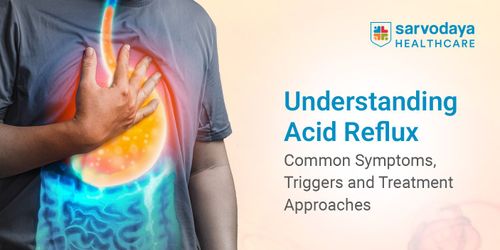
Upper abdominal burning or indigestion is commonly termed as acidity, but it is caused by different factors. Acid reflux is the backflow of contents from the stomach to the food pipe (oesophagus). This may cause a burning feeling in the chest or a sour taste in the mouth.
If reflux occurs so frequently that it creates a problem or hurts the food pipe, physicians may diagnose a condition known as gastroesophageal reflux disease (GERD). Not all episodes of reflux are GERD. Chronic acidity should not always be blamed on spicy food.
Common Causes and Risk Factors
Once food has entered the stomach, there is a ring of muscle that should close. When it weakens or relaxes at the wrong time, the contents of the stomach may rise up.
There are a few things that can make reflux worse.
Common acidity causes and triggers are:
- Big Meals or Late Meals: An overfull stomach can cause reflux, especially if taken just before lying down.
- Extra Abdominal Weight: Excess body weight can increase pressure on the stomach and worsen reflux.
- Pregnancy: As the uterus grows, the acid reflux may get worse due to pregnancy hormones and pressure.
- Hiatus Hernia: Part of the stomach moves upwards through the diaphragm.
- Smoking: Smoking can weaken the muscle that normally prevents stomach contents from flowing back upwards.
- Some Medicines: Medications can make symptoms worse. Do not discontinue medication without a physician's order.
The type of food taken is important, but heartburn causes are not the same for everyone. Some people may get some symptoms with coffee, while others may get some symptoms after eating a large meal.
GERD Symptoms
Symptoms can occur after eating meals or throughout the night. The timing and frequency of these symptoms can help doctors distinguish reflux from other conditions.
Here are some common acid reflux symptoms:
- Heartburn: Feeling of burning in the middle of the chest, often after eating or when lying down.
- Regurgitation: When food or stomach acid comes back up into the throat, causing a sour or bitter taste.
- Upper Abdominal Discomfort: feeling of discomfort or burning in the upper abdomen after eating.
- Swallowing Problems: Food may get stuck during swallowing.
- Throat Symptoms: Throat irritation or a recurring cough can happen along with reflux.
- Disturbed Sleep: Night time reflux can cause coughing or burning that awakens you (disturbed sleep).
If pain is accompanied by difficulty breathing, sweating or spreading pain to the arm or jaw, get emergency medical care.
Foods That May Trigger Acidity and GERD
Individuals may experience different food triggers. Instead of reducing food, have a food log to record your meals and your symptoms.
Common reported foods to avoid with GERD, especially if they cause symptoms often, include:
- Fatty and Fried Food: Pakoras, chips and rich gravies can make reflux worse – particularly if they're eaten in big amounts.
- Spicy Foods: Spicy curries and sauces may worsen reflux in some people.
- Tomatoes and Citrus Fruits: Gravies made with tomatoes and orange and lemon juice are problematic for sensitive people.
- Caffeine: Caffeine aggravates reflux for some.
- Chocolate and Peppermint: Both are known to cause symptoms in some people.
- Fizzy Drinks and Alcohol: These can make symptoms worse and should be kept to a minimum if they cause reflux.
Avoid foods that repeatedly trigger your symptoms rather than removing entire food groups unnecessarily. Get dietary advice if there are any dietary restrictions.
Everyday Changes That Can Reduce Reflux
Simple daily habits can help reduce reflux, especially at night. These changes can support GERD treatment, but some people may still need medicines.
Here are some practical tips which may help manage the acid reflux symptoms:
- Eat Smaller Meals: Do not skip meals, but eat smaller portions.
- Avoid Eating Before Sleep: Eat at least three hours before bedtime.
- Raise Your Upper Body: For nighttime symptoms, use a suitable wedge or raise the head of the bed. Just adding extra pillows may not be sufficient.
- Manage Weight if Needed: Slow weight loss can relieve reflux symptoms in overweight individuals.
- Avoid Smoking and Tight Waistbands: Stay away from smoking and tight waistbands; both can worsen symptoms.
If symptoms persist, then avoid home remedies for chronic acidity.
Diagnosis and the Role of Endoscopy
A gastroenterologist reviews your symptoms, how often they occur and whether medicines provide relief. Typical symptoms of heartburn and regurgitation can be treated without urgent testing.
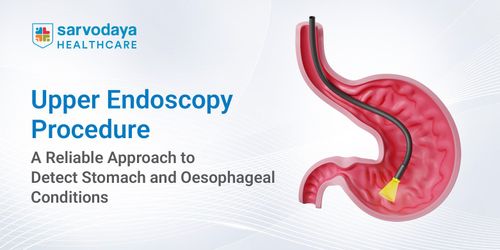
Upper GI endoscopy may be indicated if you have trouble swallowing, or if you are losing weight for no known reason, or if symptoms are not relieved with the correct treatment. This test uses a thin flexible camera that is inserted through the mouth to look at the food pipe, stomach and upper part of the small intestine. The test can detect inflammation or narrowing of the food pipe. However, a normal result does not rule out reflux.
If the diagnosis is still unclear, reflux monitoring will assess how many reflux episodes occur when the stomach contents move upward. Not all people require tests.
Medical Treatment for Acidity and GERD
Acid reflux treatment depends on the severity of the symptoms, test results and the extent of damage to the food pipe. There are some medicines that provide immediate relief and others that help to lower acid over a longer time.
Here are some options that are often considered for GERD treatment:
- Antacids or Alginates: These may help alleviate mild symptoms temporarily, but they do not cure all reflux conditions.
- Acid-Reducing Medicines: H2 blockers are medicines that reduce stomach acid and help relieve reflux symptoms.
- Proton Pump Inhibitors (PPIs): Medicines called proton pump inhibitors (PPIs) lower the amount of stomach acid and promote healing of the food pipe if it is inflamed. Follow the instructions for taking them (typically before meals).
- Anti-Reflux Surgery: Surgery may be considered for selected patients with confirmed GERD whose symptoms remain troublesome despite appropriate medical treatment.
Don't use medicine that suppresses the acid for a long period of time without a review. Acid reflux treatment should focus on symptoms that are recurring.
When Specialist Care Becomes Important
Over time, repeated acid reflux can cause inflammation or narrowing of the food pipe. In some people, it can cause changes known as Barrett's oesophagus.
Seek medical attention if you experience difficulty swallowing, persistent vomiting, unexplained weight loss or black stools.
When a person throws up blood, it's a serious medical emergency. If discomfort keeps returning, an experienced gastroenterologist in Noida can help identify whether acid reflux or another condition is responsible.
Conclusion
Occasional heartburn is common, but persistent acidity and GERD can affect meals, sleep and everyday comfort. Understanding the triggers, recognising warning signs and choosing suitable treatment can help prevent symptoms from becoming a long-term problem.
Sarvodaya Hospital's Centre for Gastroenterology in Faridabad assesses acidity and reflux using specialist consultations and upper GI endoscopy when needed. Patients looking for a trusted gastroenterologist in Faridabad can receive medical treatment and guidance on dietary changes and daily habits. Unlike relying only on antacids for temporary relief, an individualised plan aims to control symptoms, identify complications and support longer-term comfort.
If reflux affects your daily life, speak to a specialist at Sarvodaya Hospital and book an appointment now for personalised advice.